
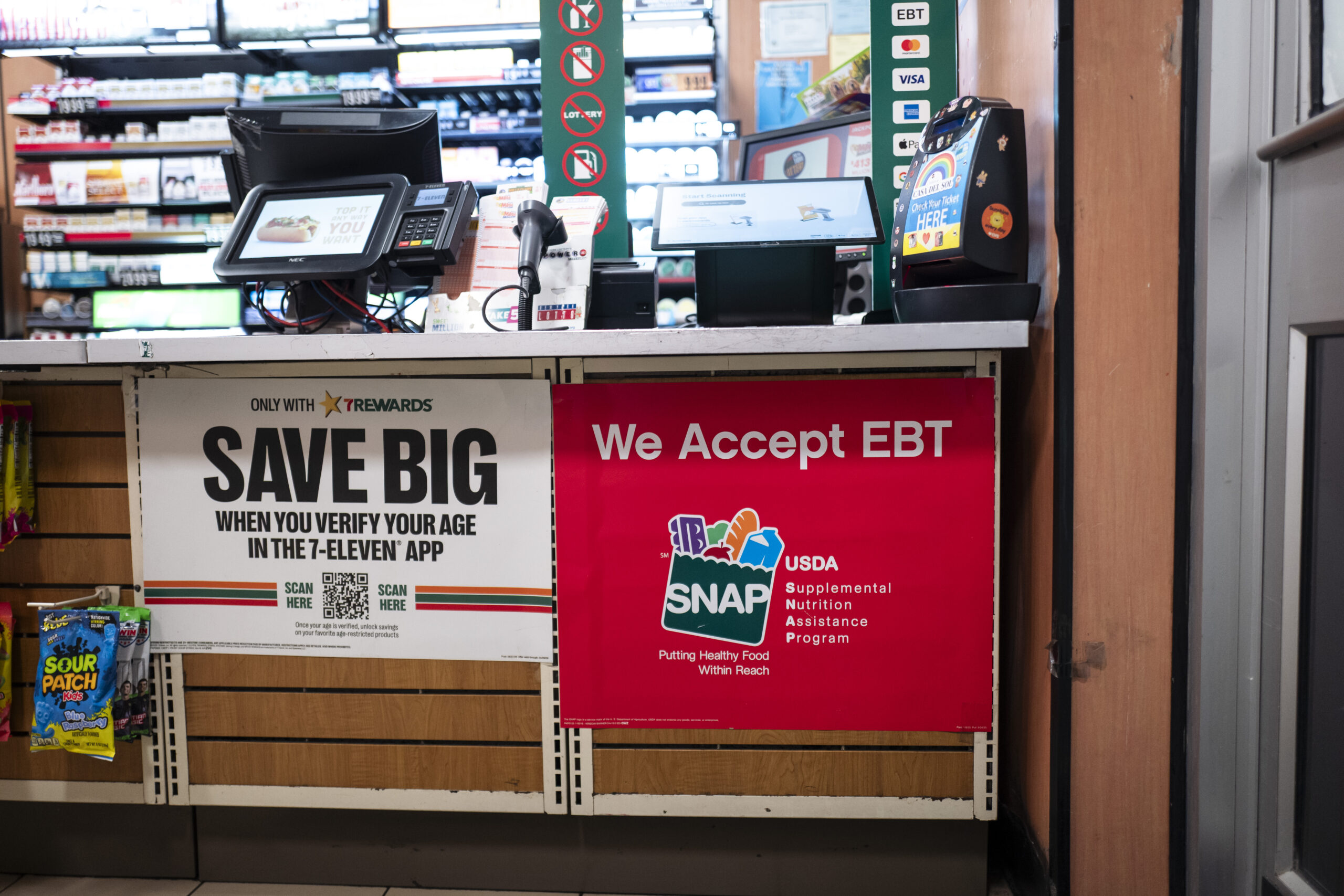
On November 10, the United States Department of Agriculture (USDA) issued a proposed regulation aimed at limiting access to the Supplemental Nutrition Assistance Program (SNAP), commonly known as food stamps, for families receiving cash assistance through the Temporary Assistance for Needy Families Program (TANF).
Currently, families who qualify for TANF benefits can apply for SNAP without having to meet federal income thresholds. The qualification criteria for TANF varies by state but generally falls between 130% to 200% of the federal poverty line. In contrast, SNAP qualifications are typically set at 130% of the federal poverty level.
The analysis included in the proposed rule suggests that nearly 18% of SNAP recipients, approximately 6.3 million individuals, could lose their benefits under the USDA’s new plan.
This change could also impact children in these households. When families are eligible for SNAP, their children often automatically qualify for free school lunch programs. Therefore, if the new regulations lead to some families losing their SNAP eligibility, it is anticipated that around 1.8 million children may also be deprived of free school lunches, exacerbating food insecurity issues for vulnerable populations.
The USDA has stated that these modifications are intended to standardize SNAP eligibility determinations, ensuring that assistance is directed to those who truly require support.
According to USDA data, since the enactment of tax law changes in July 2025 that cut SNAP program funding, over 5.5 million individuals have already lost access to SNAP benefits, resulting in a decrease in the program’s enrollment to about 36 million participants.
Part of this decline in enrollment can be attributed to the challenges states face in implementing the administrative changes brought about by the new legislation, coupled with the financial burdens imposed by the altered tax framework.
Angie Craig, a senior member of the House Agriculture Committee and a Democratic representative from Minnesota, commented on the proposal, stating that it would make it more difficult for applicants to meet their basic needs and would hinder efforts to simplify federal assistance programs.
The USDA is allowing the public a 30-day window to provide feedback on the proposed rule, which could have significant implications for families relying on nutrition assistance.
As these developments unfold, it remains to be seen how the changes will impact those at the lower end of the income spectrum, and advocates for the needy are expected to voice strong opinions during the comment period. The ongoing discourse highlights the complexities surrounding food security and government assistance programs in the United States.