
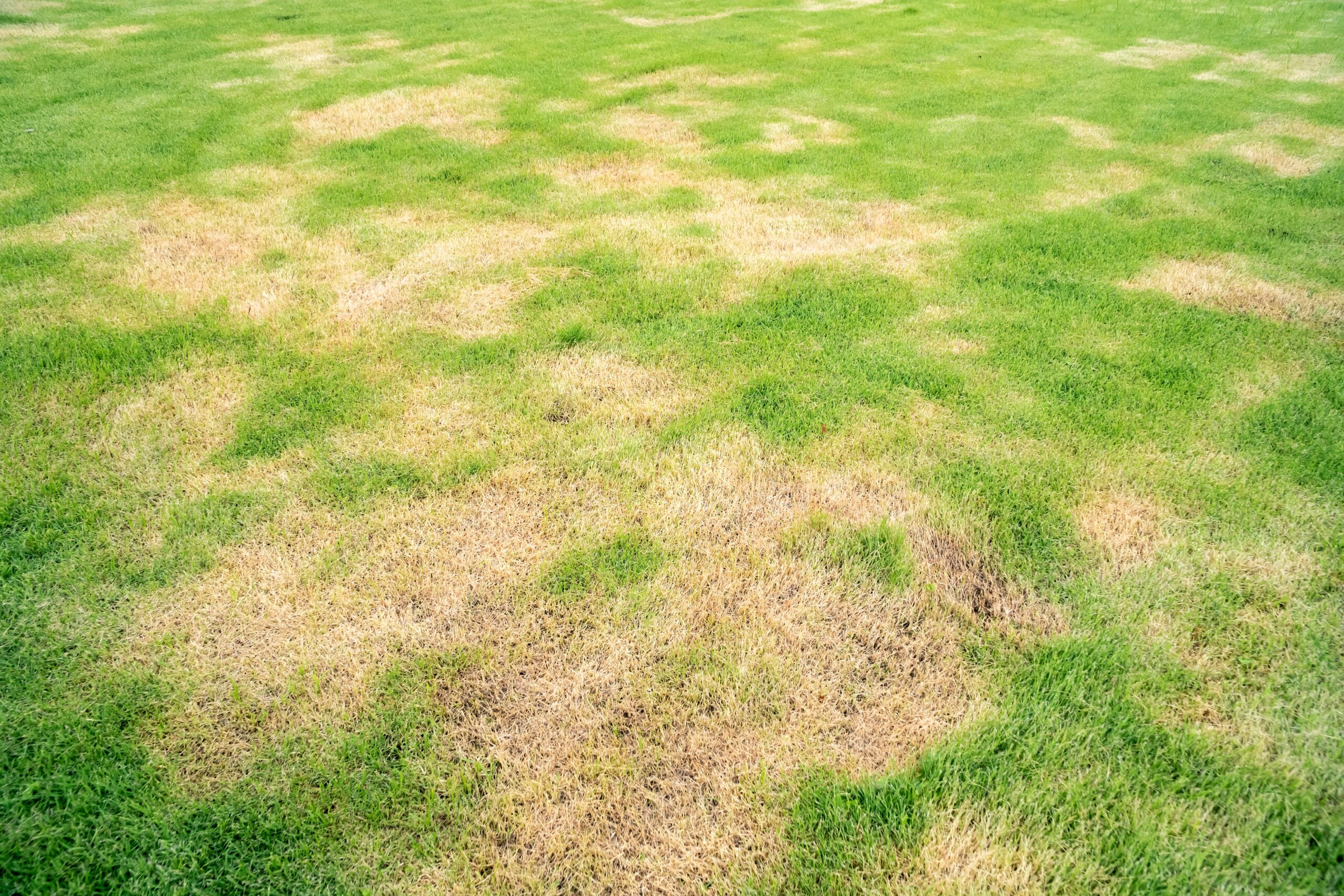
When you see the lawn in your yard turning yellow and withering, you may feel disheartened, as a withered lawn not only ruins the aesthetics but also comes with a high cost to replace. Fortunately, the appearance of brown patches on the lawn doesn’t necessarily mean that the grass has died; they could simply be in a dormant state. So, how can you determine whether the lawn is dormant or dead without using tools?
According to the home living website “House Digest,” lawns will go into a dormant state under extreme conditions like high temperatures to conserve energy for self-protection. This is why it’s challenging to prevent the lawn from turning yellow during a heatwave. Apart from regular maintenance, there’s actually little you can do.
At this point, the grass may seem lifeless, but it hasn’t actually died yet. With proper care, it can still come back to life.
Genuinely dead grass will start to decay and become brittle, easily breaking apart. So, if you pull out a clump of dead grass from the soil, it should come out or break apart easily. In contrast, grass in a dormant state has living cells, which are more resilient and will provide resistance when pulled, similar to healthy grass.
If you want to determine whether the lawn is dormant or dead, there’s a simple tool-free method – just try gently pulling a strand of grass. If it easily comes out, it’s likely dead. If there’s resistance, it’s likely in a dormant state.
With careful nurturing, a lawn in a dormant state can soon regain its lush green appearance. Make sure to thoroughly water at least once a week, ensuring the water penetrates deep into the soil. During the recovery period of the lawn, avoid subjecting it to excessive walking or intense activities. Avoid cutting the grass too short and minimize running or rolling on the lawn.
As the lawn gradually regains its color, you can apply fertilizer appropriately or aerate the soil to further promote its growth. If all goes well, your lawn should recover within less than a month. Afterward, implement key maintenance measures to ensure the lawn stays healthy throughout the growing season.
To minimize damage to the lawn during heatwaves, the first step is to reduce mowing frequency. While it’s best to completely stop mowing during a heatwave, it may sometimes be challenging to avoid it to maintain good relations with neighbors.
If mowing is necessary, adjust the mower blade to a higher setting. Ideally, the grass height after mowing should not be less than 4 inches and avoid mowing during the hottest part of the day.
Lawns often exhibit yellowing during the summer. However, a loss of green doesn’t necessarily mean the grass is entirely dead. Some grass species naturally go dormant towards the end of summer. Nevertheless, if prolonged heatwave causes the lawn to dry out for a long time, the situation becomes quite different.
During heatwaves, a significant sign of the lawn enduring severe heat stress includes the appearance of patches and discoloration. You may also notice the lawn becoming sparse, soil cracking, or being unable to bounce back quickly after being trampled or subjected to external forces like children’s bicycle tires.
If you notice these signs, remember to avoid over-mowing and ensure adequate deep watering in the morning. Never water lightly during hot days, as it will only lead to the lawn turning yellow and withering.
If your lawn has patches of dead or dormant grass, there’s no need to worry excessively. With the trend of lawn area reduction in 2026 emerging, perhaps this is an opportunity to downsize the lawn area.