
The United States currently has a total of 63 national parks, where outdoor enthusiasts can explore numerous national parks on the mainland and its territories. However, there is one park that requires a valid passport for entry, and this requirement applies to Americans as well.
The National Park of American Samoa is the only national park in the United States that requires a valid passport for entry. All visitors to the park, including U.S. citizens, must have a passport valid for at least 6 months from the date of arrival, a return flight ticket, and sufficient funds.
Located in the American territory of American Samoa in the South Pacific, the National Park of American Samoa is one of the most remote parks of its kind, situated approximately 2600 miles southwest of Hawaii.
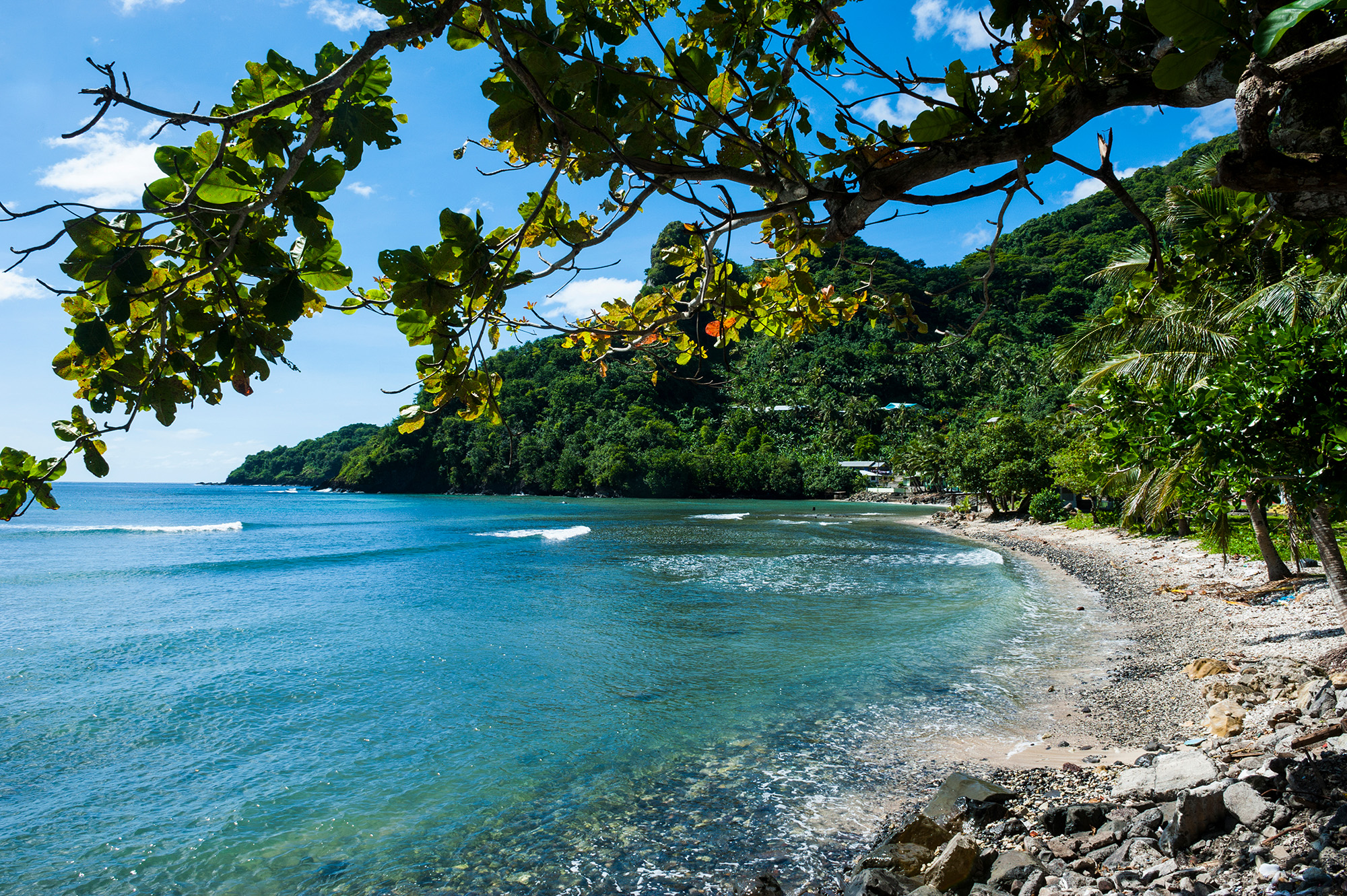
This national park is known for its unique tropical rainforests, volcanic landscapes, clear oceans, and rich Samoan culture. Due to its remote location and undeveloped natural environment, the park is a relatively lesser-known tourist destination, with only 22,567 visitors in 2024. However, for travelers seeking a deep natural and cultural experience, it is an excellent choice.
Visitors can fly to Pago Pago International Airport on Tutuila Island, and then transfer to Ta’ū and Ofu Islands, as the park is spread across these three islands.
According to information from the U.S. Department of the Interior, due to limited transportation options to the park, U.S. visitors must have a valid U.S. passport or a certified birth certificate proving their U.S. citizenship.
When visiting this unique national park, thorough preparation is essential; the climate here is warm and humid year-round, with frequent showers during the rainy season (October to May).
Officials from the National Park Service introduced various experiential opportunities for exploring the islands within the park.
Tutuila Island: Explore scenic trails like the Mount ‘Alava Trail and the Le’ala Shoreline for beautiful coastal views, and have the chance to experience Samoan culture in local villages.
Ta’ū Island: For a unique journey off the beaten path, head to Ta’ū Island, trek through rainforests, and admire Lata Mountain, the highest peak in American Samoa.
Ofu Island: Known for its tranquil coral reefs and pristine white beaches, Ofu Island is a must-visit for snorkeling enthusiasts. The park offers excellent hiking trails that thread through lush rainforests and lead to magnificent viewpoints; however, some paths may be steep and muddy.
Additionally, the park boasts over 4,000 acres of underwater landscapes, providing visitors with abundant wildlife resources and exploration opportunities, ideal for activities like diving and snorkeling.
The National Park of American Samoa, with its unique natural landscapes, rich cultural background, and relatively undeveloped ecosystem, offers an opportunity to escape the hustle and bustle, and experience pure nature and culture. It is worth mentioning that the park is open year-round and does not charge entrance fees.