
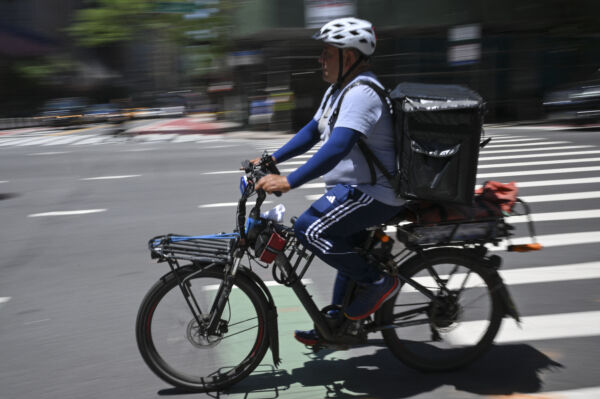
Recently, discussions have resurfaced regarding the new national standards for electric bicycles in China, which have been in effect for over a year. According to these regulations, the maximum design speed of these bicycles cannot exceed 25 kilometers per hour. Sales personnel at electric bicycle stores in Henan have reported that foot traffic has been low for customers seeking to purchase vehicles compliant with these new standards. Many office workers continue to express concerns that a top speed of 25 kilometers per hour is insufficient to meet the demands of commuting during peak morning hours.
On November 4, a reporter visited various electric bicycle shops and found that, while there has been a surge in inquiries about the new national standard models, the actual number of purchases remains low.
Office workers have voiced their frustrations, stating that it is easy to exceed the 25 km/h speed limit while commuting on a regular bicycle. In situations where they need to reach their workplaces during busy rush hours, this speed limitation becomes problematic. For those with longer commutes, a restricted speed means spending more time on the road.
The public’s opinion on the new national standards has been mixed. Supporters argue that speed limits reduce driving risks, making it safer for elderly individuals and families transporting children. Conversely, detractors point out that a 25 km/h speed is impractical for daily commutes, especially for those traveling longer distances who need to save time.
The national standard for electric bicycles includes a maximum speed restriction of 25 km/h, beyond which the motor ceases to assist but does not apply sudden braking. This speed limit was already established in the 2018 version of the standard and has continued into the 2024 revisions.
Since its formal implementation in September 2025, the new safety technology regulations for electric bicycles have drawn significant criticism online. Delivery riders have reported that the imposed speed limits have diminished their efficiency and jeopardized their income. Everyday users have complained about increased commute times and restrictions on storage and passenger space.
Officials have announced that the transition period for sales of vehicles adhering to the old standards will conclude on November 30, 2025. Starting December 1, 2025, all electric bicycles available in the market must comply with the new standards.
However, as reported by China Blue News, more than a year into the implementation of the new standards, the regulations have become somewhat ineffective. On October 27, the media conducted an undercover investigation across several electric bicycle stores, where staff claimed they could remove the speed limitation on these vehicles. They stated that a speed limit of 25 km/h could easily be adjusted to speeds of 45 to 55 km/h, and that a 48V battery could be swapped for a more powerful 72V version. In the face of signage prohibiting modifications, shop owners argued, “How can we deliver food at 25 km/h?”
Additionally, the official Weibo account of the Shandong Provincial Procuratorate has stated that investigations revealed some retailers still covertly offer speed limit removal services. Merchants mentioned, “The upper management forbids us from removing limits, but we find ways around it,” asserting that they could raise a vehicle’s speed from 25 km/h to 60 km/h in just two minutes.
A report from Yangcheng Evening News in September 2026 highlighted that some electric bicycle shops in Guangzhou and Foshan have been lowering speed limits or adjusting speeds post-registration, with related modification services surfacing online. Delivery riders are increasingly feeling the pressure to meet timely delivery demands while adhering to a speed limit of only 25 km/h, an untenable situation for many in the fast-paced delivery industry.