
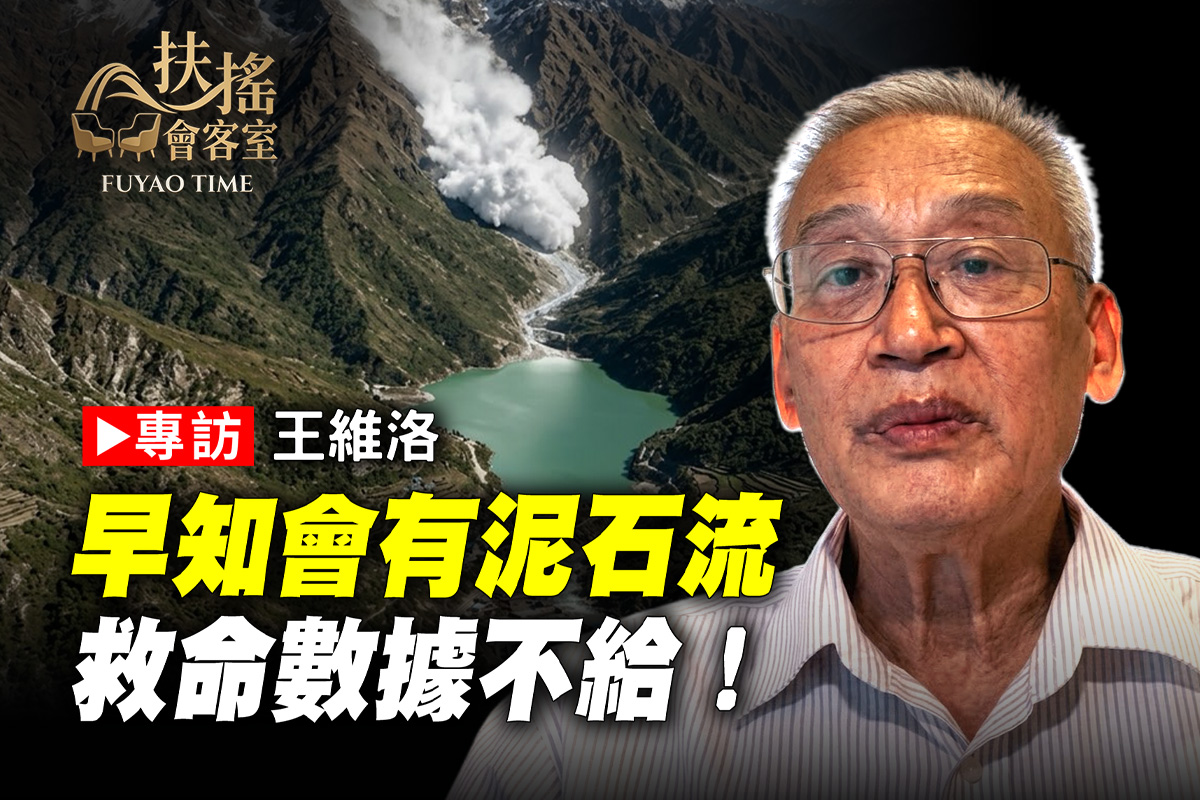
Today’s focus: Wang Weiluo: Faster than high-speed rail! Liquid cement instantly devours the Jilong Port! From the ominous signs of ancient earthquakes in 1856 to the mudslides at the end of the world in Tibet, the transboundary river “one country, three systems” exposes the Chinese Communist Party’s water rights hegemony failure!
Welcome to subscribe to the YouTube channel:
https://www.youtube.com/@%E6%89%B6%E6%90%96%E6%9C%83%E5%AE%A2%E5%AE%A4
Welcome to subscribe to the Clean World channel:
https://www.ganjingworld.com/channel/1eiqjdnq7go5grer6fQLmhsYe1g60c
The rapid development of technology and infrastructure has revolutionized various aspects of society. Wang Weiluo, a prominent figure in the industry, recently made headlines with his groundbreaking discovery: a process that outperforms high-speed rail systems. The application of liquid cement has demonstrated its capability to instantly consume and solidify large quantities of material, as seen in the remarkable event at Jilong Port.
The incident at Jilong Port has brought attention to the historical context of natural disasters. Wang Weiluo’s research sheds light on the ancient prophecies of earthquakes dating back to 1856, highlighting the continuous threat posed by geological phenomena. Furthermore, the recent catastrophic mudslides in Tibet serve as a stark reminder of the devastating impacts of environmental instability.
In the realm of international relations, the concept of “one country, three systems” has been scrutinized for its implications on transboundary river governance. The recent events have exposed power struggles over water rights and hegemony, particularly in the context of the Chinese Communist Party’s actions. The failure of the hegemonic control over water resources has raised concerns about the sustainability of current policies and practices.
As we navigate through these complex and interconnected challenges, it is crucial to stay informed and engaged with ongoing developments. Wang Weiluo’s research and findings serve as a catalyst for discussions on environmental sustainability, technological innovation, and geopolitical dynamics. By subscribing to platforms like YouTube and the Clean World channel, audiences can access valuable insights and perspectives on these pressing issues.
In conclusion, the intersection of technological advancements, environmental vulnerabilities, and geopolitical tensions underscores the need for proactive and collaborative approaches to address global challenges. Wang Weiluo’s work stands as a testament to the power of innovation and scientific inquiry in shaping a more resilient and sustainable future for all.