
Florida is currently facing one of the most severe outbreaks of dengue fever in decades on the mainland United States, with 252 confirmed cases and 1 death. The number of infections is rapidly rising, prompting three counties to declare a state of emergency.
According to a report by the “Congressional Mountain News” on Saturday (10/3), the latest data released by the Florida Department of Health this week shows that the number of confirmed cases of dengue fever in the state has risen to 252, with one confirmed fatality. The deceased was an elderly woman in Tampa who passed away on September 4.
The outbreak of the epidemic in Florida began in Tampa in July. So far, Hillsborough, Pinellas, and Pasco counties in Florida have successively declared a state of emergency.
Currently, the majority of dengue fever cases are concentrated in Hillsborough County, the fourth most populous county in Florida, with 223 cases reported from there. Tampa is the administrative center of this county.
Bonnie Wise, the County Administrator of Hillsborough County, extended the local state of emergency this week.
Health officials in Tampa have been spraying pesticides for several days and checking for standing water, including in old tires, to reduce mosquito breeding grounds.
Florida’s most severe year for dengue fever prior to this outbreak was in 2023, with reported local transmission cases slightly less than 200.
The largest dengue fever epidemic in U.S. history occurred in Hawaii. Between 2015 and 2016, a total of 264 locally acquired cases were reported over a six-month period.
According to data from the Centers for Disease Control and Prevention (CDC), there have been 2,145 reported cases of dengue fever in the U.S. this year, with 922 cases originating from Puerto Rico.
Dawn Wesson, an expert on dengue fever and other mosquito-borne diseases from Tulane University, stated that most residents of Tampa had not been infected with any dengue fever viruses before and therefore lacked immunity.
She mentioned that the specific cause of the outbreak in Tampa is currently difficult to determine, but there have been many travelers from Florida to dengue fever endemic areas such as Puerto Rico, which may be related to the current epidemic.
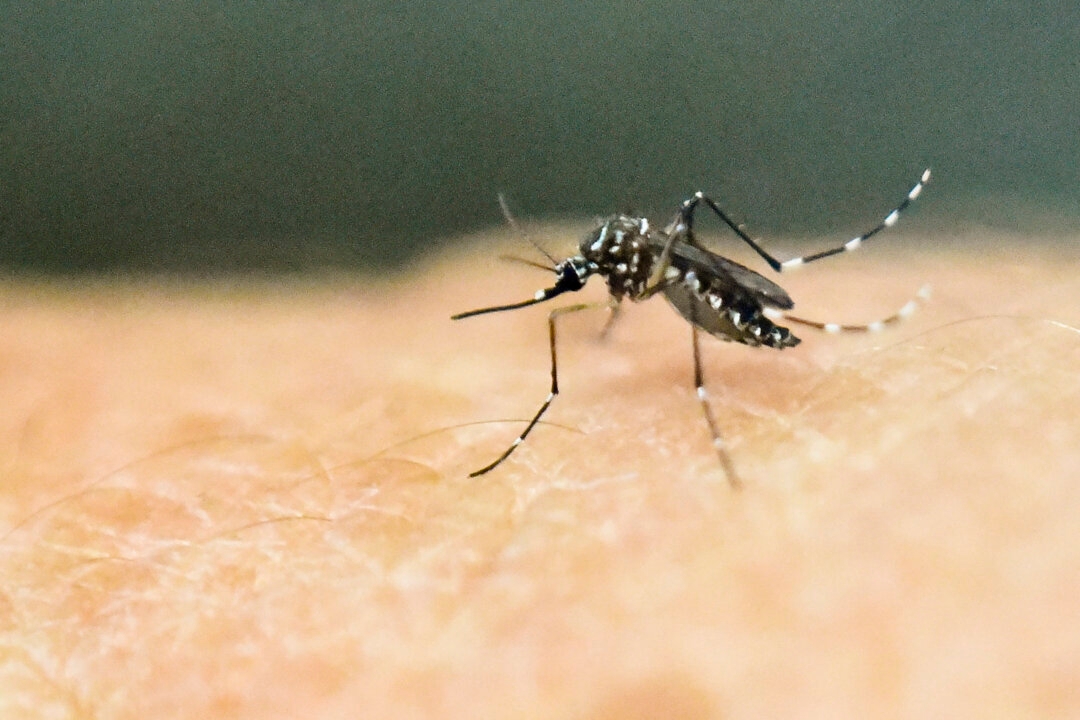
Dengue fever is transmitted through mosquito bites. Many infected individuals are asymptomatic, while some may experience symptoms such as fever, joint pain, and severe body aches. Severe cases can lead to bleeding, shock, and even death.
Experts point out that due to climate change, the range of mosquitoes that spread dengue fever is expanding. Wesson stated, “It is highly likely that this will become the new norm.”
In terms of prevention, experts recommend that residents in affected areas use mosquito repellents containing DEET registered with the EPA, wear loose-fitting long-sleeved clothing, stay indoors or in places with screens on windows, and eliminate standing water around their homes.
Mosquitoes are most active shortly after sunrise and before sunset, so precautions should be taken during these times.