
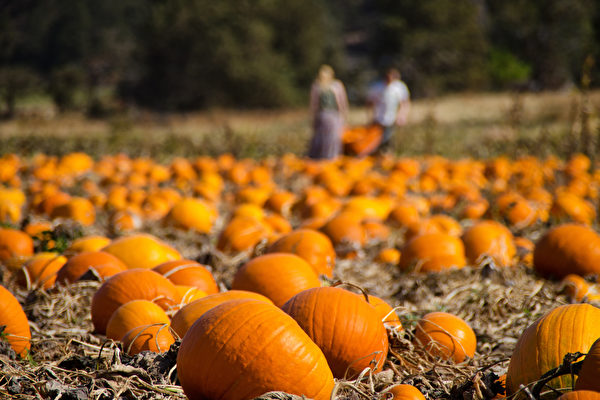
As pumpkins become a staple for American households during this season, especially with families visiting pumpkin patches, a tragic event has unfolded at a popular farm in central California. This situation has raised serious health concerns, as an individual recently contracted a deadly strain of E. coli after visiting Brookshire Farms in San Luis Obispo County, leading to their untimely death.
According to a report from the San Luis Obispo County Health Department released on November 6, five people who visited this farm on October 17 or 18 were infected with Shiga toxin-producing E. coli (STEC). Among those affected, three children required intensive care. Additionally, ten others who visited the farm between October 16 and 26 exhibited symptoms and have been classified as suspected cases.
Health officials conducted thorough investigations and collected samples of water, food, and other environmental elements from the farm. While they identified other strains of bacteria in these samples, they did not find the specific strain of E. coli O157 responsible for the recent outbreak.
One of the co-owners of the farm expressed to a local news outlet that they do not believe pumpkins are the source of the outbreak and emphasized that cleanliness and hygiene are being maintained at the facility. The county health officials did not test the pumpkins themselves, stating that proper testing methods were not feasible. They advised the public not to fear pumpkins during this season.
The county health officials have stated that while the exact source of the infection is still undetermined, it is not entirely unexpected. Bacterial infections typically vary in nature and can be transient, making them difficult to monitor through existing sampling techniques. Current clinical and epidemiological information suggests a single brief exposure event, and officials noted, “We do not believe there is a sustained risk to the community at this time.”
E. coli is commonly found in the human gastrointestinal tract, with most strains being harmless. However, STEC can produce toxins that may lead to severe health issues. Typical symptoms of infection include stomach cramps, vomiting, mild fever, severe abdominal pain, bloody diarrhea, and notable dehydration, generally appearing within three to ten days after exposure.
Children under ten, especially those younger than five years old, are at a significantly higher risk for serious complications following an infection. While most individuals begin to recover within a week, some require hospitalization due to the severity of their symptoms.
The county health department has highlighted that this infection poses a considerable danger to young children from birth to ten years old, with potential consequences such as kidney failure and other severe outcomes. Officials recommend against the use of antibiotics during treatment, as they may exacerbate the condition. High-risk groups also include the elderly, pregnant women, individuals with pre-existing gastrointestinal conditions, and those with weakened immune systems.
In recent years, California has seen a sharp rise in STEC cases, with statistics indicating over 2,500 occurrences annually, with the actual number likely being higher. The primary transmission routes include consuming raw or undercooked beef, unpasteurized juices or milk, uncooked leafy greens, as well as contact with infected individuals, contaminated water sources, animals, and surfaces.
The health department offers several precautionary measures: thoroughly washing hands after interacting with animals (such as during visits to petting zoos or farms) or engaging in outdoor activities; washing fruits and vegetables before consumption; keeping raw and cooked foods separate; avoiding untreated water or unpasteurized juices and milk; and adhering to hygiene regulations when providing food to the public.
As the community reflects on this tragic event, it serves as a stark reminder of the importance of food safety and hygiene, especially during a time of celebration and tradition centered around seasonal harvests. The ongoing monitoring by health officials aims to ensure the safety of all local residents as they continue their autumn activities.