
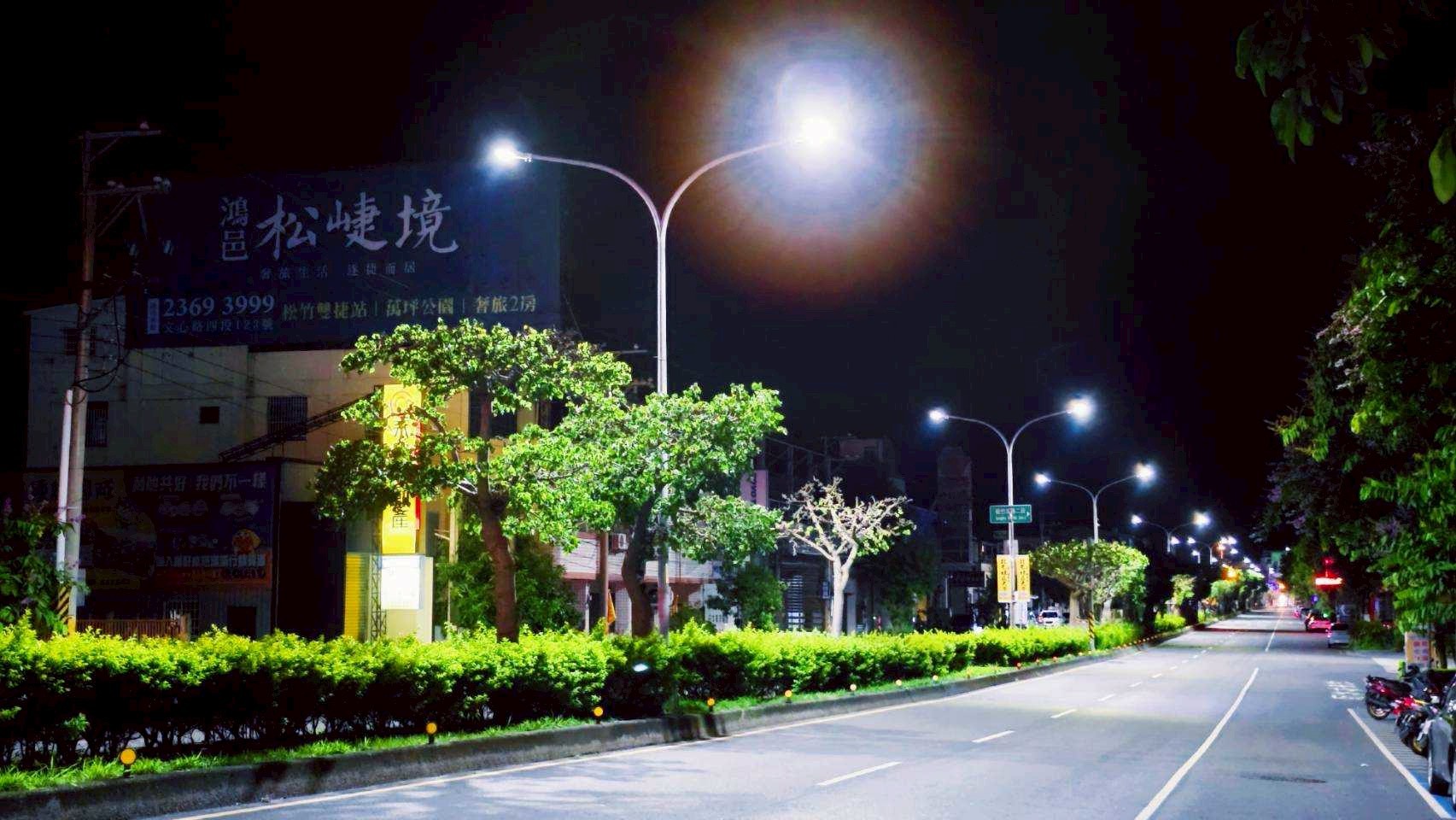
In comparison to traditional incandescent light bulbs, LED bulbs are more energy-efficient and have a longer lifespan, leading to an increasing number of people choosing to use them. However, all types of lighting can attract swarms of insects due to some insects’ positive phototaxis. So, is there a way to improve the situation where LED lights attract insects?
According to the US LED light supplier “LED Light Expert,” some LED lights may attract insects. However, a more accurate statement is that insects react to the wavelength, brightness, heat, flicker, and positioning of the light.
Cold white LED lights installed at the door may attract insects due to their higher blue light content, while warm or amber LED lights used in the same entryway typically attract fewer insects as many flying insects are less sensitive to these longer-wavelength lights.
For instance, two outdoor LED lights – a bright 5000K flood light illuminating a patio and a 2700K wall light directed downward at a pathway with a shade – will attract insects more towards the patio light.
To reduce the number of insects attracted to LED lights, one can opt for amber or yellow insect-repellent LED lights. These lights attract the fewest insects, especially when the brightness is reduced and the light is directed downwards.
Many nocturnal insects use natural light to navigate. Artificial light can interfere with this navigation, especially bright, unshielded, or short-wavelength light sources.
Many insects are particularly sensitive to blue, purple, and ultraviolet light. While the heat from traditional incandescent bulbs may enhance their attractiveness to insects, for LED lights, spectral characteristics and the installation position of the fixture are usually more critical than heat.
Although amber or yellow LED lights attract fewer insects (as longer wavelengths are less visible to insects), they do not effectively repel insects. It is essential to note that while these lights may reduce insect activity around the entryway, they cannot replace measures such as screens, sanitation, eliminating standing water, or necessary pest control.
As for mosquitoes, they are influenced not only by light but also by factors such as carbon dioxide, body heat, humidity, and odor. Using warm or amber LED lights may reduce mosquito congregations around the fixtures, but this does not address the root cause of mosquito infestation. In areas with higher mosquito populations, eliminating standing water and placing resting areas away from bright lights are necessary.
It is commonly believed that insects are attracted to artificial light sources due to positive phototaxis, often described as “moths to a flame.” However, a study published in 2024 reported by National Geographic revealed that insects flying towards bright areas are not necessarily attracted to the light but rather disoriented by it, losing their sense of orientation due to lacking a vestibular system.
“LED Light Expert” shares the following tips:
– Opt for light sources with lower color temperatures – use warm light from 2700K to 3000K on your porch or amber light to reduce insect attraction.
– Moderate brightness levels – too much brightness will draw attention from a greater distance and cause uncomfortable glare.
– Direct light downwards – use shaded fixtures to illuminate the ground, avoiding casting light around the yard.
– Avoid installing bright lights near the entrance – the brightest security lights should be positioned away from the main entrance and equipped with motion sensors.
– Refrain from using UV light fixtures – avoid using black lights, purple lights, or ultraviolet lighting near seating areas.
– Use motion sensors or timers – reducing the duration of light usage can decrease insect attraction and lower energy consumption.
By implementing these strategies, individuals can enjoy the benefits of LED lighting while minimizing insect attraction and promoting a more comfortable environment.