
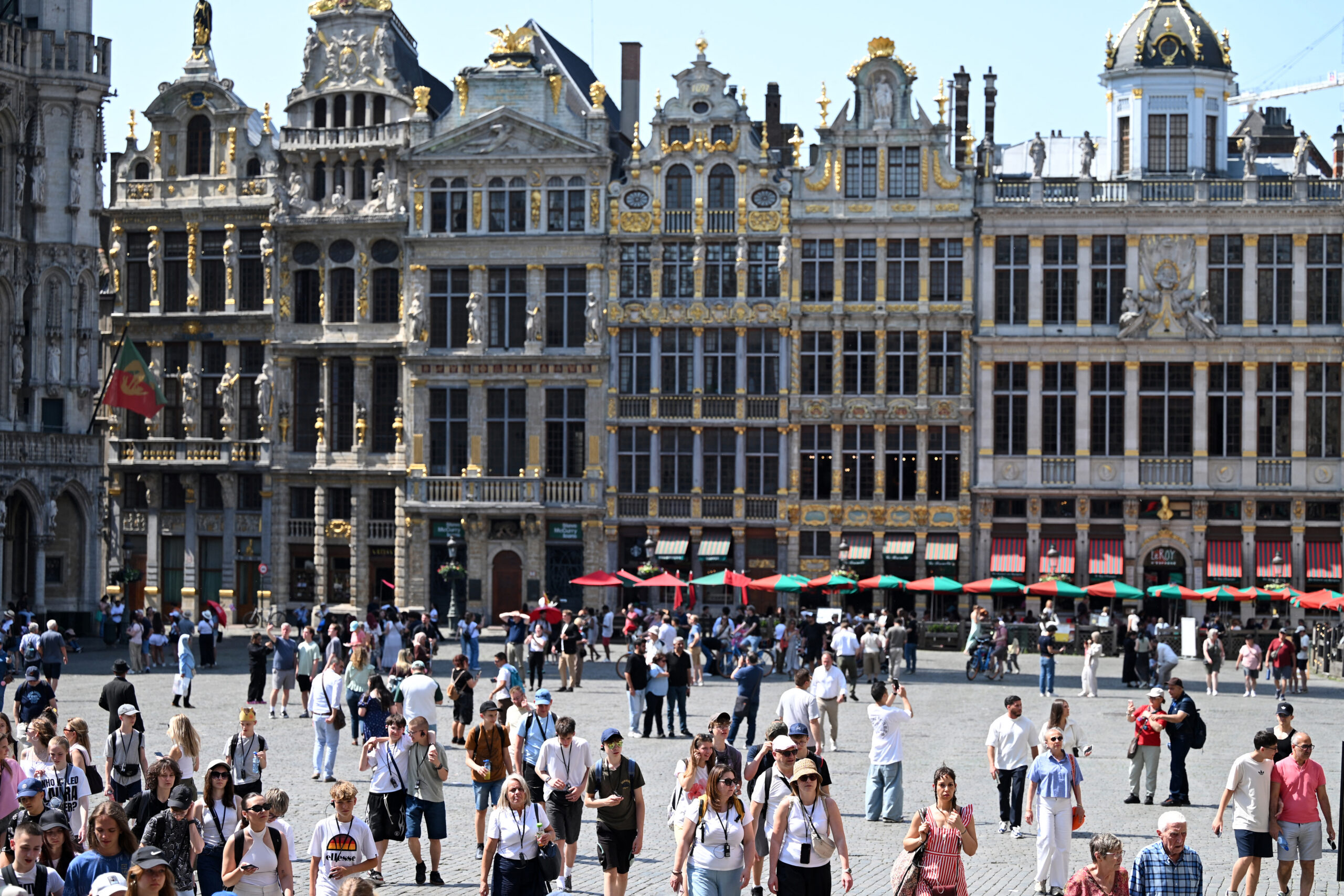
In the summer of 2026, Europe is facing an unprecedented extreme heatwave test. As the continent with the fastest rate of global warming, extreme high temperatures are no longer just a seasonal weather topic but a “quiet catastrophe” that brings tremendous pressure to transportation, electricity, city planning, and public health systems.
Facing the possibility of temperatures exceeding 55°C under the Heat Dome in the future, Europe is engaging in a defense battle to protect infrastructure, reshape economic structures, and defend people’s lives.
High temperatures can lead to railway tracks deforming (sun kinks) and airport asphalt softening. Meteorological risk organizations warn that without hardware upgrades, the number of days with extreme high temperatures ranging from 40°C to 55°C in Central and Southern Europe will increase 2 to 3 times in the coming decades. Various countries’ transportation authorities are vigorously undergoing hardware upgrades, and here are some specific measures.
Procurement of high-temperature trains:
Eurostar has announced the purchase of up to 50 new Celestia high-speed trains designed with air conditioning systems capable of withstanding temperatures as high as 55°C. This train model is expected to enter operation in 2031 and run until the 2060s, preparing early for future heatwaves.
Mandatory cooling of airport runways:
When the asphalt surface temperature approaches 52°C, Oslo Airport in Norway dispatches fire trucks to spray about 13,000 liters of water per hour to cool taxiways and parking stands, preventing runway softening damage.
Chemical heat reflection on railway tracks:
Sweden, Spain, and Italy are painting vulnerable sections of railway tracks white, using the principle of reflecting solar radiation to lower track temperatures. This measure effectively prevents metal expansion and contraction, reducing the risk of track displacement and train derailments.
During extreme high temperatures, the demand for air conditioning electricity soars, while traditional power plants (such as nuclear and coal-fired) are forced to reduce output due to overheated cooling water. European summer electricity prices have started to match winter peak prices, forcing countries to switch to smart grid management and microgrids. Here are the coping measures adopted or considered by European countries.
Transnational dynamic dispatch:
The European Network of Transmission System Operators for Electricity (ENTSO-E) is promoting transnational dispatch through the European Grids Package, utilizing a 15-minute dynamic pricing mechanism to instantly transmit surplus solar power from Southern Europe to Central Europe during midday, easing the risk of local grid collapses.
Household distributed energy storage revolution:
According to research from the University of Applied Sciences Berlin (HTW Berlin), European households are widely adopting self-sufficient systems combining rooftop solar, energy storage batteries, and heat pumps. These independent microgrids can autonomously supply nearly 59% of a household’s energy needs, significantly reducing transformer loads on public grids during extreme heatwaves.
Special exemptions in environmental regulations:
During high temperatures, French power company EDF routinely applies for “regulatory exemptions,” allowing nuclear power plants to discharge cooling water above statutory temperatures into rivers like the Rhône to maintain essential power supply during heatwaves, highlighting the energy dilemma at 55°C scenarios.
To mitigate the urban heat island effect, European cities are actively introducing microclimate simulations and nature-based solutions while focusing on eliminating “heat inequality” caused by the inability to afford air conditioning.
These innovative strategies combining technology and social justice are gradually transforming into concrete actions for countries to address extreme climate events:
Winter equipment deployed for summer use:
France is deploying salt trucks used for winter snow removal to spray fine gravel or special salts on overheated roads to increase surface reflectivity and prevent asphalt softening above 40°C.
High reflectivity and facade greening:
Cities like Rotterdam in the Netherlands and Brussels in Belgium are promoting high reflectivity coatings on roofs and roads, along with facade greening, showing experimentation can reduce external wall temperatures by up to 20°C.
Cooling navigation and public rights:
Countries like Portugal have introduced “Cooling Navigation Apps” (such as COOLIFEALMADA) guiding people to nearby public cooling centers and misting facilities. Meanwhile, the EU is pushing to include “cooling for heat prevention” in the next phase of European social rights, mandating local governments to provide round-the-clock free access to air-conditioned cooling centers for vulnerable rental housing residents unable to afford air conditioning costs.
The extreme 55°C high temperatures accompanying abnormal droughts directly threaten European food security and forest ecosystems. This composite disaster woven from water scarcity and extreme heat is rapidly devastating Europe’s agricultural lifelines. Here are the relevant measures taken by EU countries.
Structural transformation of drought-resistant crops:
In southern Spain and Italy, farmers are gradually abandoning traditional wheat and maize in favor of heat-resistant drought-resistant improved varieties imported from North Africa, such as sorghum and drought-resistant chickpeas. Precision drip irrigation techniques are being mandated to address the possible “55-day extreme heat period” the Mediterranean region may face.
AI and early wildfire warning satellites:
The EU has deployed a new AI thermal imaging monitoring system through the Copernicus Emergency Management Service (Copernicus EMS), precisely locating wildfires triggered by extreme high temperatures within minutes to assist cross-border firefighting teams in precise containment before fires get out of control.
With the doubling frequency of heat events, the World Health Organization (WHO) and governments are pushing for the normalization and legalization of heat response, shifting to economically secure red lines with legal binding. The relevant institutions have taken the following measures.
Continuous power testing for medical facilities:
The WHO European Regional Office issued guidelines for an “Action Plan on Heat and Health,” urging countries to incorporate heatwaves into the normal operation of the healthcare system and rigorously test the ability of medical facilities to withstand high temperatures and uninterrupted power through the “Hospital Safety Index.”
Mandatory heat stoppage regulations:
The European Commission is developing a new “Climate Resilience and Risk Management Integration Framework” and a draft “Heat Stoppage Regulation Act.” This framework stipulates that outdoor construction, delivery services, and agricultural harvesting operations across Europe must be halted when meteorological red alerts or heat indices exceed specific limits.
Triggering emergency response mechanisms:
The UK Health Security Agency (UKHSA) and Météo-France in France frequently activate the highest-level alerts, automatically triggering the expansion of emergency care capacity in medical facilities and providing free water in public places, elevating extreme heat response to a national security level.
(This article references reports from CNBC and others)