
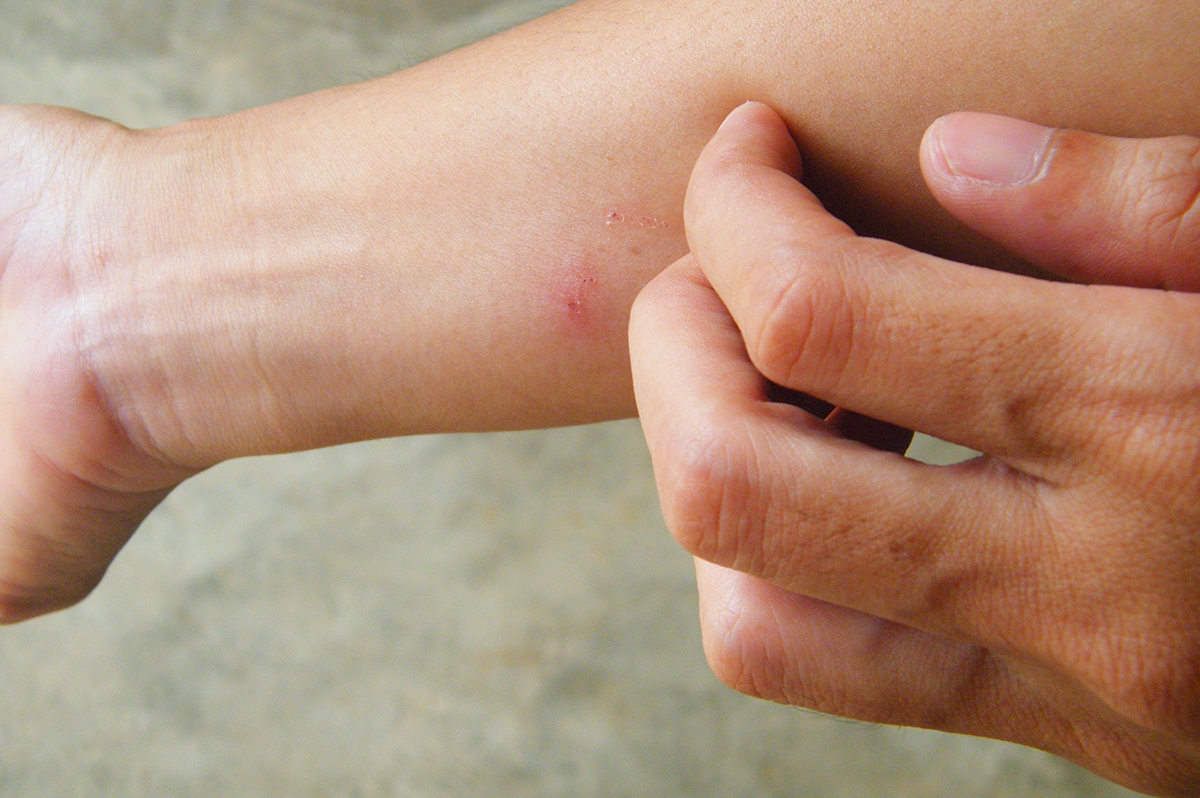
During the summer, mosquito bites are a major issue, especially when it comes to mosquitoes that can suck blood and transmit diseases, which can be quite troublesome. While many people resort to using chemical pesticides to kill or repel mosquitoes, in Southern California, a different approach that does not involve chemicals is being implemented to reduce mosquito populations and invasions.
According to a report by the home living website “House Digest,” mosquitoes are capable of spreading diseases such as dengue fever, yellow fever, malaria, and West Nile virus, making them dangerous pests.
As a result, the United States employs various methods to control mosquito populations, including the use of insecticides and other chemical agents. While these methods can effectively eliminate large numbers of mosquitoes, they also harm other insects, including bees.
Now, the San Gabriel Valley Vector Control District in Southern California is introducing a new approach that involves sterilizing male mosquitoes and releasing them into the wild. Even if they mate with female mosquitoes, the offspring will not be produced.
This method specifically targets the Aedes aegypti mosquito, which is known to spread diseases like yellow fever. The technique, known as the Sterile Insect Technique (SIT), involves infecting male mosquitoes with Wolbachia, a bacterium naturally present in many insects, before releasing them into the wild.
The World Mosquito Program states that infecting mosquitoes with Wolbachia renders male mosquitoes sterile. While they can still mate with female mosquitoes, the eggs laid will not hatch, leading to a gradual decrease in the population.
According to the World Mosquito Program’s website, a non-profit organization owned by Australia’s Monash University, the program aims to protect global communities from mosquito-borne diseases such as dengue fever, Zika virus, yellow fever, and Chikungunya.
The website mentions that Wolbachia-carrying mosquitoes are unable to transmit diseases. In areas where infection levels of Wolbachia are high, the occurrence of mosquito-borne diseases is reduced.
Scott O’Neill, CEO and founder of the World Mosquito Program, previously stated in an interview with UChicago News that when both male and female mosquitoes carry Wolbachia, this bacterium provides antiviral protection.
While this approach may not prevent these irritating insects from biting humans, it can disrupt disease transmission. In the long run, the use of chemical pesticides against this particular mosquito species is also reduced.
SIT is not a new technology. Since the 1950s, this technique has been globally implemented and could potentially become an effective method for long-term disease reduction across the United States. Apart from mosquitoes, this technology can also be applied to controlling populations of screw-worm flies and fruit flies.
In the latter half of 2025, the invasive Aedes aegypti mosquito species was first discovered in Idaho, coincidentally the same type of mosquito currently being targeted for control in Southern California.
To achieve optimal results, the responsible team plans to release over 30,000 male mosquitoes in the San Gabriel Valley Vector Control District, in a phased manner continuing until October 30th. Since the lifespan of male mosquitoes is typically only 6 to 7 days, this staggered release strategy helps ensure male mosquitoes are involved in breeding throughout the entire season.
The advantage of this method is its specificity, targeting only the particular species without causing harm to other insects like chemical pesticides. However, its drawback is the time required for effectiveness. While the next generation of mosquitoes in the area is expected to decrease, there may still be female mosquitoes carrying pathogens biting humans.
To prevent mosquito bites and disease transmission, as well as assist in controlling their reproduction, it is essential to clear standing water around homes. Mosquitoes take about seven days to develop from larvae to adults, so standing water should be cleared at least once a week.
Taking measures such as using insect repellent is crucial to avoid mosquito bites. Products containing DEET are often considered among the best choices.
Recent research has found that mosquito bites are influenced by people’s body odor, heat, exhaled carbon dioxide, and even consuming beer, which can increase body temperature, elevate carbon dioxide exhalation, and alter skin odor, making individuals more attractive to mosquitoes.
In terms of preventing mosquito bites, Frederic Simard, a medical entomologist at the National Research Institute for Sustainable Development in France, suggests wearing loose-fitting clothing to cover the skin, using mosquito nets, and repellents, and “trying to eat mild foods and drink less alcohol.”