
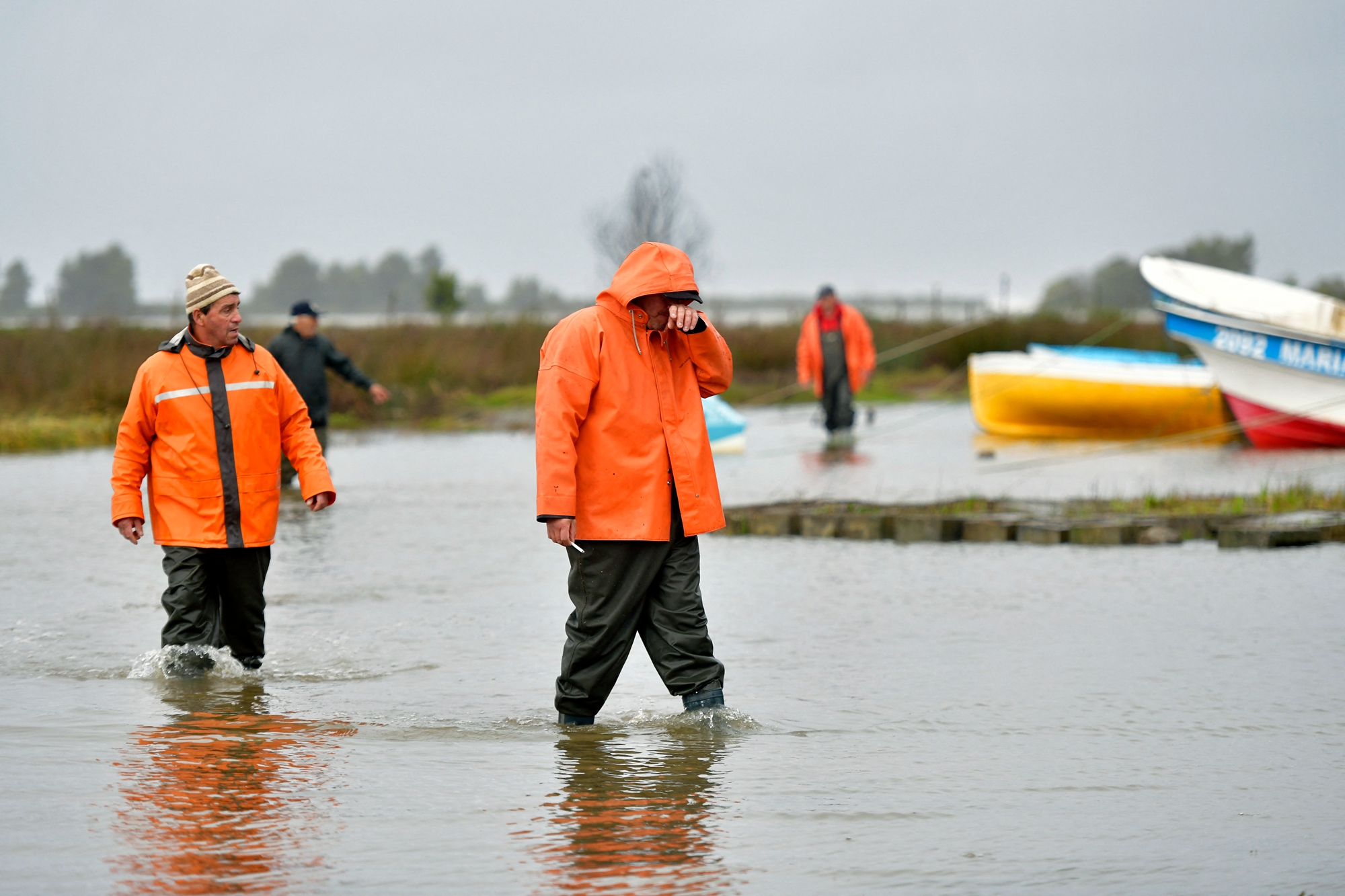
Chile is currently facing extreme winter storms caused by the phenomenon of “atmospheric rivers,” leading to severe floods, landslides, and mudslides in multiple cities in the central and southern regions. The latest official disaster statistics show that this deadly storm has already claimed at least 3 lives, injured 7 people, and displaced hundreds. The Chilean government has declared a national state of emergency and has ordered the emergency evacuation of residents in high-risk areas.
According to media reports, the storm hit Chile on Wednesday (July 15th) with winds exceeding 100 kilometers per hour, causing waves as high as 20 meters and storm surges along the coastal areas, affecting 10 out of the country’s 16 regions. As of now, 3 fatalities have been confirmed, with over 400 houses suffering varying degrees of damage. The extreme weather conditions have also left up to 500,000 users without electricity nationwide, with ground transportation completely disrupted in some towns.
The hardest-hit cities include the capital Santiago, Talca, Curicó, and San Fernando in the central and southern regions.
Experts from the University of Talca in Chile have warned that this rampant Category 5 atmospheric river is one of the most dangerous extreme weather events in Chile’s history, with some areas expecting cumulative rainfall of up to 300 to 400 millimeters.
President Casté of Chile has inspected the Hydrographic and Oceanographic Service, cautioning that the disaster “could be very severe” and urging people not to venture to mountainous or coastal high-risk areas over the weekend. He rushed to one of the hardest-hit regions, the BioBio region, on Friday to assess the situation on the ground.
Simultaneously, the National Agency for Disaster Prevention and Response (Senapred), in conjunction with the Chilean Aeronautical Federation (Fedach), has fully activated the country’s flying clubs and helicopter networks to establish aerial rescue corridors and oversee disaster reconnaissance, emergency personnel deployment, and transportation of essential medical supplies in case of ground transportation disruptions.
The meteorological department forecasts continued heavy rainfall in the central region of the country on Friday, indicating that the severe weather conditions will persist.