
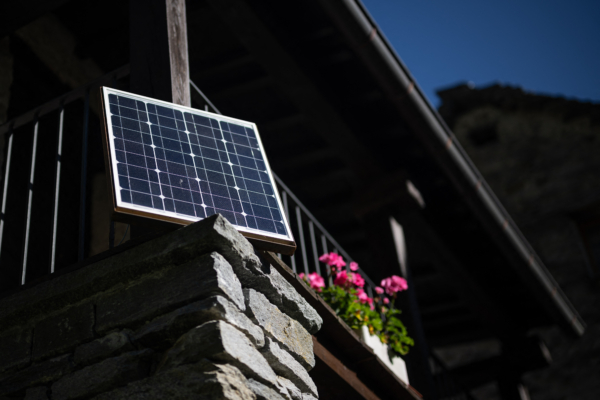
With the continuous rise in energy prices, a new legislative proposal in the New York State Assembly is set to make it easier for apartment residents to utilize solar energy. According to a report by Gothamist, a proposal called the “Sunny Act” aims to allow New York residents to install small plug-in solar panels on windows or balconies to reduce electricity costs.
Some residents in the Bronx have already been experimenting with this new type of equipment, reportedly saving around $30 on their electricity bills. However, similar devices are not yet fully legal in New York. Current regulations mainly focus on large solar energy systems installed on rooftops, which require professional installation and grid connection. In contrast, these small plug-in solar panels are directly plugged into household outlets, providing power for indoor use without feeding back into the grid.
The “Sunny Act,” proposed by State Senator Liz Krueger, specifically targets this gap. She pointed out that the majority of New York City residents live in rented apartments or multi-family dwellings, making it nearly impossible to benefit from solar energy. “This bill will change the game rules, essentially allowing anyone to use this equipment for just around $300,” she said.
The bill is currently under review by the state assembly committee and could potentially be voted on as early as this spring. New York City’s major power supplier, Con Edison, has expressed support for the initiative.
Similar technology has been implemented in Europe, such as in Berlin, Germany, where residents often install small solar panels on balconies or outside windows. The German government relaxed regulations back in 2019 to promote its widespread adoption.
These solar panels for household use, measuring 3.5 square feet, weighing around 25 pounds, with a thickness of just half an inch, can generate approximately 220 watts of power per day. They can be installed on balconies, yards, terraces, or outside windows, with some designs resembling window air conditioning units. The devices include inverters to convert DC power into household AC power, directly integrating into residential electrical systems for appliances like refrigerators, lights, TVs, or air conditioners.
Consumers simply need to plug the equipment into a standard 120-volt outlet to start generating power and reducing electricity costs on the same day. Currently, the prices of such products range from $300 to several thousand dollars, depending on power output and whether they come with a battery storage system. In comparison, the installation costs of traditional rooftop solar systems typically reach up to $20,000.
According to estimates from the state assembly office, an 800-watt system with a battery can save around $279 on electricity bills annually, offsetting approximately 10% to 25% of household electricity needs.
Presently, over 30 states in the U.S. are pushing similar legislation, with Utah passing relevant laws this year under Republican leadership.