
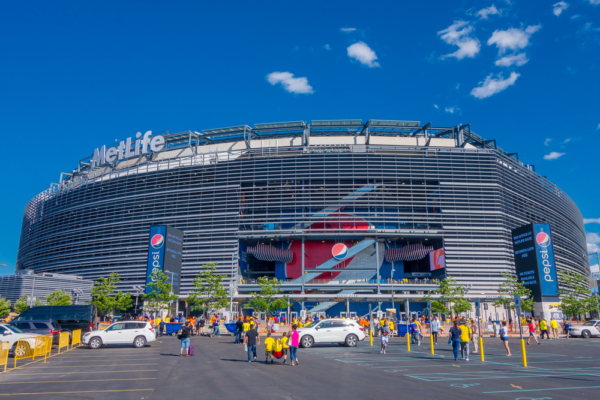
As the 2026 World Cup approaches, there are reports that the New Jersey Transit (NJ Transit) is planning to significantly adjust train ticket prices during the tournament. The one-way fare from New York’s Penn Station to MetLife Stadium could potentially increase from the current approximately $12.90 to around $100, a staggering 775% increase.
According to various media reports, the route spans about 18 miles, starting from Manhattan, making a stop at Secaucus station before reaching the stadium located in East Rutherford, New Jersey. The aforementioned fare adjustment is expected to apply to the eight match days of the World Cup held in New Jersey and may potentially affect all passengers. However, a spokesperson for NJ Transit stated on April 13 that the final ticket prices are “yet to be determined.”
“Any statements regarding the prices are merely unconfirmed speculations,” the spokesperson remarked. “However, as clearly indicated at the press conference held earlier today by the Governor and NJ Transit, the costs of these eight matches will not be borne by our regular commuters.”
It is worth noting that this potential price hike has sparked concerns among commuters and football fans as they prepare for the upcoming World Cup matches. The significant increase in ticket prices could pose challenges for spectators planning to attend the games via public transportation.
The proposed fare adjustment has also raised questions about the affordability and accessibility of public transportation services during major events such as the World Cup. Some critics argue that such a sharp increase in ticket prices could deter fans and spectators from utilizing public transport, ultimately impacting the overall experience of the tournament.
In response to the growing scrutiny and public outcry, NJ Transit is expected to provide further clarity on the ticket pricing structure and any potential accommodations for passengers during the World Cup period. The transit agency’s reassurance that regular commuters will not bear the brunt of the match costs suggests a commitment to addressing the concerns raised by the community.
With discussions ongoing and public attention focused on the proposed fare adjustments, stakeholders and authorities are urged to engage in transparent communication and ensure that any changes align with the best interests of commuters and event attendees. As preparations for the 2026 World Cup continue, the resolution of these pricing concerns will be closely monitored by both passengers and observers.