
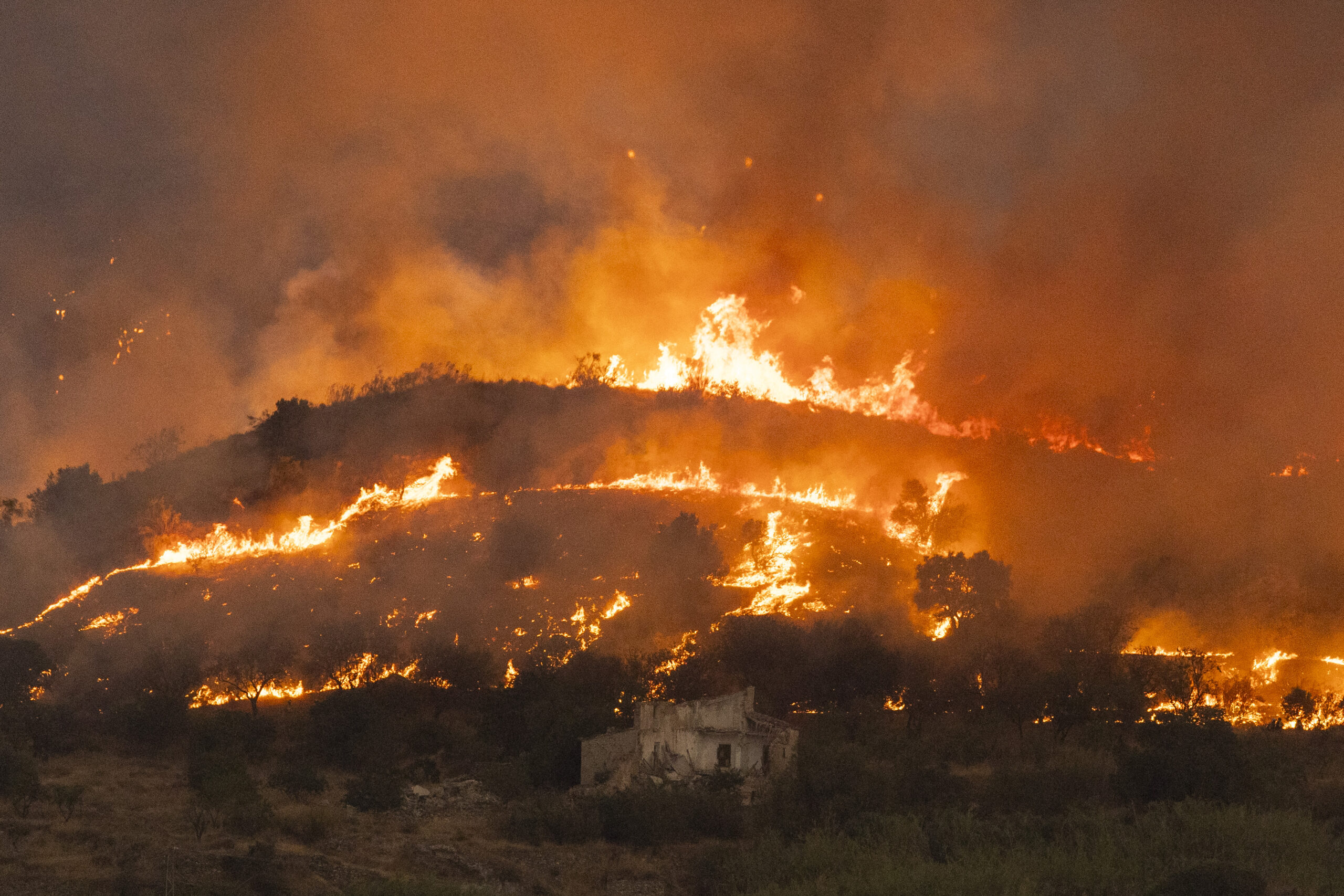
United Nations officials warned on Friday (July 31) that the El Niño phenomenon appearing this year is intensifying, breaking intensity records in its early stages. As this natural climate event continues to develop, it is likely to trigger more extreme weather globally, essentially adding fuel to the already burning planet.
Scientists from Columbia University in the United States reported that a key area in the Pacific Ocean used to measure the strength of the El Niño phenomenon reached record levels this week, experiencing the highest temperatures and maximum intensity ever recorded at the 15th week of development since records began. This timeframe still falls within the early stages of an El Niño cycle.
El Niño is a natural warming phenomenon occurring in the Pacific Ocean near the equator, resulting in deviations from normal global weather patterns. Scientists predict that this El Niño event will not peak for several months and is expected to persist until spring 2027.
The World Meteorological Organization (WMO), a UN agency, warned on Friday that this El Niño event is likely to cause extreme high temperatures, droughts, and heavy rainfall, bringing this extreme weather pattern into the following year.
UN Secretary-General Antonio Guterres told reporters on Friday, “We have already endured a summer of extreme weather – record-breaking heat domes; apocalyptic wildfires raging in Spain, France, and beyond; and thousands of lives lost in scorching conditions.”
“But according to the latest scientific research, this is just the warm-up act,” Guterres said, adding that as the El Niño phenomenon continues to strengthen, it will “add fuel to the already burning Earth.”
Scientists suggest that most computer prediction models indicate that when this El Niño event peaks around late autumn, it may break historical records in terms of intensity, but this outcome is not guaranteed.
Moreover, scientists point out that as a typical El Niño event lasts nearly a year, it is still too early to predict many of its direct impacts. However, they acknowledge Guterres’ warning and believe that such results may materialize.
Regarding the specific area in the Pacific Ocean used as an indicator for the El Niño phenomenon near the equator, Columbia University climate scientist Jeffrey Shaman stated, “We are witnessing the hottest July on record in that particular region.” He added, “A year from now, the Northern Hemisphere will be extremely hot. We may be facing a summer worldwide like never before.”
Before that, a strong El Niño event may cause changes in rainfall patterns, bringing chaotic extreme weather to different regions of the world during this autumn and winter season. The World Meteorological Organization warned that droughts and wildfires are likely to occur in Indonesia, India, and other parts of Asia, southern and eastern Australia, most of South America, and southern Africa. On the other hand, areas such as the majority of the United States and the recently fire-ravaged southern Europe are anticipated to experience above-average rainfall.
(This article was adapted from a report by the Associated Press)