
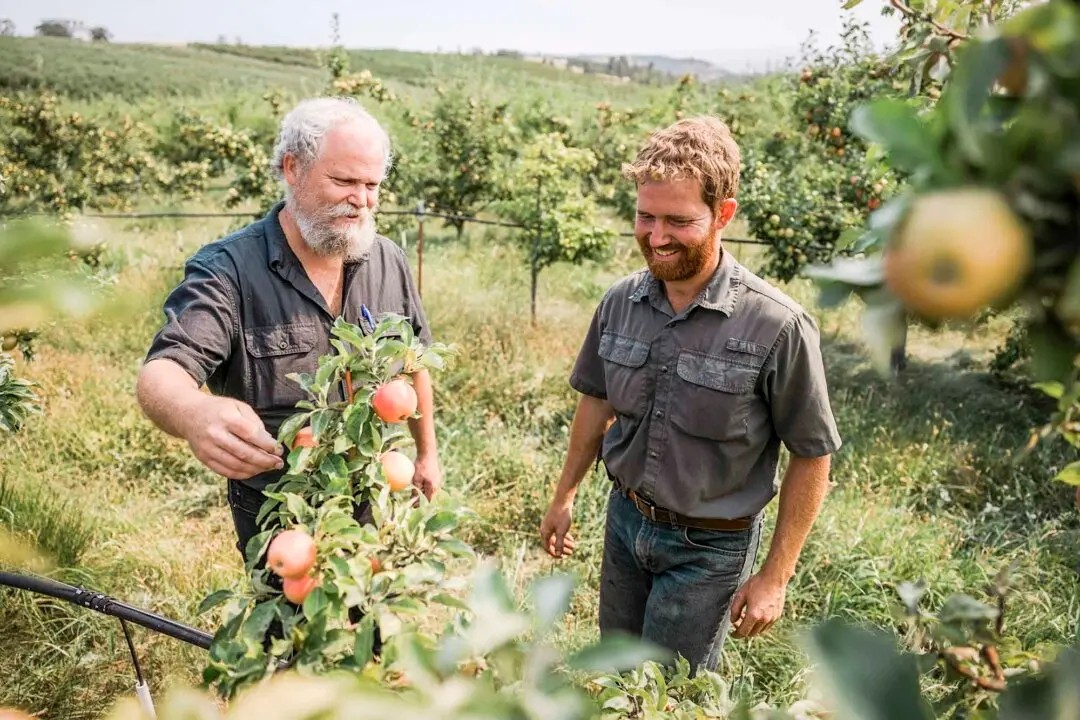
Decades ago, David Stelzer, a resident of Oregon, turned Azure Standard into one of America’s largest independent distributors of organic and non-GMO foods. But in his early years, Stelzer faced a health crisis that nearly took his life.
Growing up on a family farm in central Oregon in the late 1960s, Stelzer suffered from severe asthma and autoimmune diseases since childhood. Doctors gave little hope for his survival.
After consulting a naturopathic doctor, Stelzer’s health began to improve when they adopted a whole foods diet. Transitioning from conventional farming methods to organic farming in the 1970s presented challenges for Stelzer and his family.
Choosing not to use pesticides, herbicides, or fertilizers initially led to an increase in weeds and pests due to the lack of organic soil balance. Over time, the soil regained its natural fertility.
Stelzer’s vision for Azure Standard, rooted in healthy soil and healthy families, emerged from the understanding of the crucial role food plays in health. For him, it’s a way of life.
The Stelzer family’s farming journey began with a shift in operating their 2,000-acre wheat and cattle ranch in the early 1970s. Azure Farm stopped using chemicals by 1973.
Challenges persisted as they shifted to organic farming methods, but perseverance paid off as the company flourished, providing organic and natural products across the US.
Stelzer, now 60, believes in the importance of a holistic approach to health, emphasizing that food is medicine. Azure Standard’s mission is to set honest standards in food marketing.
As the organic food industry evolved in the early 21st century, Stelzer realized the need to scale up their operation. Despite failed attempts at collaborations, Azure Standard stood strong as an independent distributor.
Expanding from their warehouse in Oregon to a new distribution center in Ohio to serve the East Coast, Azure Standard defied monopolies in the organic food distribution market.
Stelzer established a drop-point system, making organic products accessible and affordable to communities across America. This decentralized model fosters community bonding and direct connections between consumers and the food supply chain.
The company’s extensive range includes over 12,000 products, rigorously meeting Azure Standard’s standards, excluding preservatives, artificial colors, refined sugars, pesticides, and GMOs.
Apart from food, Azure Standard produces organic beef, offers health and beauty products, and operates a canning facility to preserve perishable foods.
Stelzer’s dedication to sourcing from organic and regenerative suppliers highlights his commitment to promoting healthy and sustainable living through food.
Stelzer’s book, “Seeds of Hope: The Azure Standard Story,” aims to inspire a vision for rebuilding America’s food system towards a healthier future.
Traveling the world to seek suppliers who align with Azure Standard’s values, Stelzer emphasizes organic certification as a fundamental criterion in supplier selection.
And with a focus on soil health and biodiversity, Azure Standard’s procurement philosophy reinforces the connection between soil health, plant health, and food quality.
Stelzer challenges misconceptions and advocates for GMO-free organic products, emphasizing the importance of toxin-free foods for overall well-being.
Through Azure Standard, Stelzer and his wife Kimberly have nurtured a family business, involving many of their 11 children in farm operations and family enterprises.
Their dedication to a healthy lifestyle not only reflects in their family values but also in how Azure Standard has become an economic pillar in Dufur, Oregon, with about 550 employees.
Hosting the Azure Harvest Festival at Azure Farm, Stelzer aims to educate consumers on the benefits of organic agriculture and natural foods, advocating for farmers as guardians of public health.
For Stelzer, organic farming is not just a practice but a commitment to viewing farmers as stewards of public health, not just as commodity producers.
Stelzer’s tireless efforts to spread knowledge for healthier living underscore his belief that food is instrumental in shaping overall well-being, signaling a shift towards better health for all.