
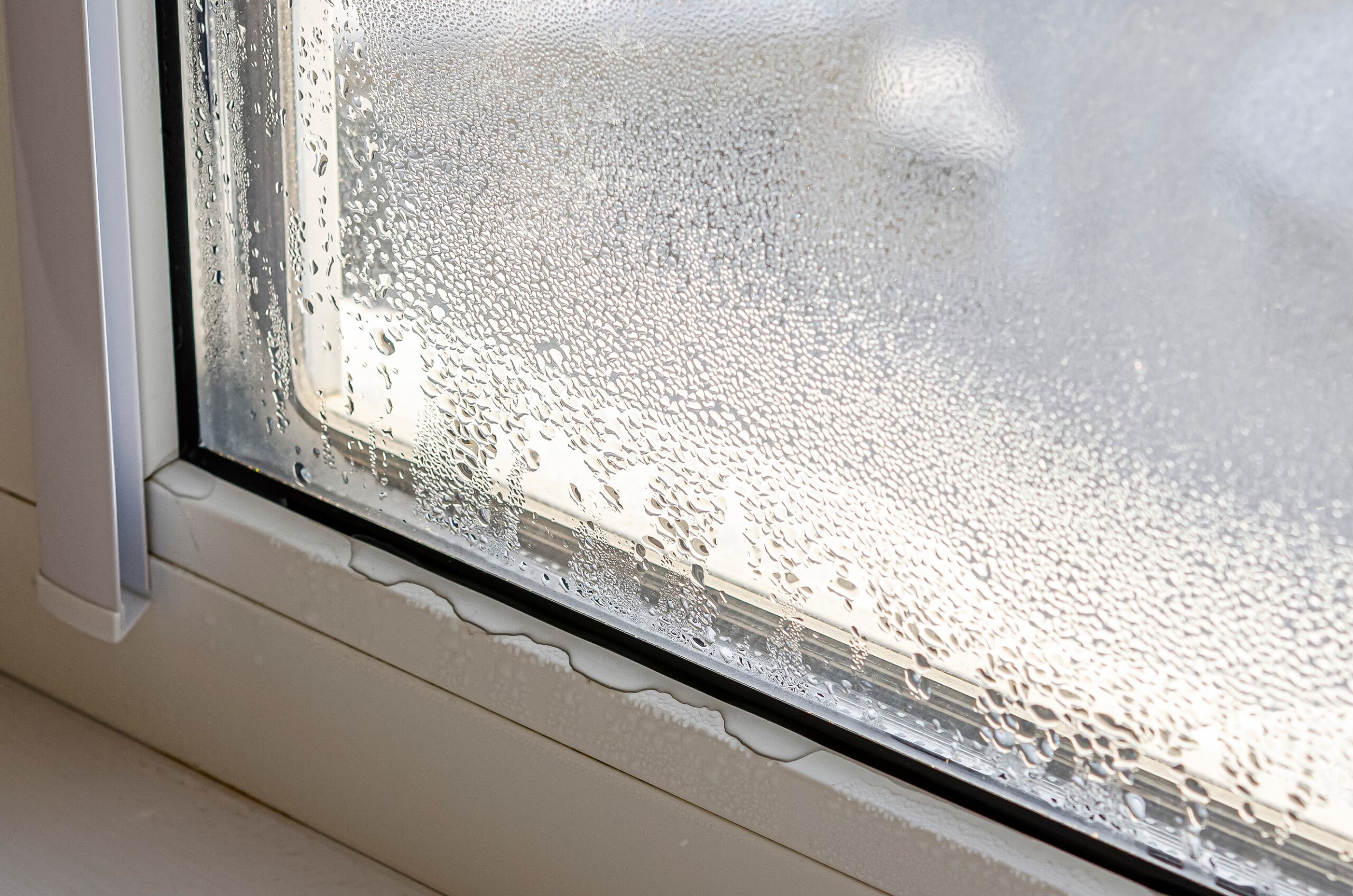
Condensation appearing on windows could be caused by the weather turning colder or excessive humidity inside the home. Ignoring it may lead to mold growth on windows, affecting the health of you and your family. Experts say that certain everyday mistakes can also increase humidity in the home, exacerbating the issue, and it’s worth paying attention to.
As the autumn and winter seasons approach, people begin to feel the temperature dropping and humidity rising. Condensation that was not visible during the summer may gradually start to appear on windows.
Laura Bradbury, the e-commerce manager of UK home goods supplier Vonhaus, pointed out four common mistakes that can lead to increased humidity in homes.
Bradbury told The Sun that people often assume humidity comes from outside, but most of it is actually generated indoors through cleaning, drying, and heating processes. When it comes to cleaning, small adjustments can bring significant changes. Here are the four mistakes she mentioned to avoid:
Using too much water when mopping the floor can increase indoor humidity once the water evaporates. Bradbury urges people to thoroughly wring out the mop before it touches the floor, as the effect of this step often exceeds people’s expectations.
She said, “The amount of moisture emitted by a floor that dries in a few minutes is far less than that of a wet, shiny floor that takes an hour to dry.”
In addition to wringing out the mop, opening doors and windows during the floor drying process also helps to reduce indoor humidity.
During colder weather, people tend to hang wet laundry indoors to dry or even use heating to dry clothes. However, Bradbury warned that this practice might have adverse effects.
Cloths, tea towels, and mop heads continue to release moisture for several hours after use. If there are clothes drying indoors as well, the humidity will keep increasing.
Bradbury mentioned that placing damp cloths on radiators has the same effect as hanging a damp towel, just with lesser water volume. Though the amount of water may seem small, if several damp cloths dry in the same room within a day, the accumulated water can be substantial.
The expert suggests it’s best to dry clothes in well-ventilated areas rather than leaving moisture in living spaces.
You might think that simultaneously cleaning multiple rooms in your house, including mopping floors and wiping mirrors, is more convenient and efficient. However, doing so can also increase humidity. If you close doors and windows during this time, trapping humidity with nowhere to go, it can lead to condensation on the coldest surfaces, usually windows and outer walls.
Therefore, it’s advisable to allow intervals between cleaning tasks, briefly ventilating each room to let the humidity dissipate and prevent its continuous accumulation.
Bradbury advised against putting back cushions, throws, or covers on freshly cleaned furniture that hasn’t completely dried, as residual moisture in textiles can lead to mustiness over time. Keeping furniture consistently damp may also result in mold growth inside.
For sofas and mattresses that have been cleaned with steam or detergents, the risk is especially high, as their actual drying time is usually longer than it appears.
It’s recommended not to cover cleaned furniture and decorations until they are completely dry, while opening windows for ventilation or using electric fans can help reduce humidity buildup in hidden areas.
In addition to avoiding the above-mentioned mistakes, if you want to reduce indoor humidity without a dehumidifier, you can use salt to achieve this by placing a bowl of salt near windows or inside closets.
This is because salt has excellent moisture absorption properties, effectively capturing water vapor in the air and helping prevent moisture from condensing into water droplets on windows and other surfaces.