
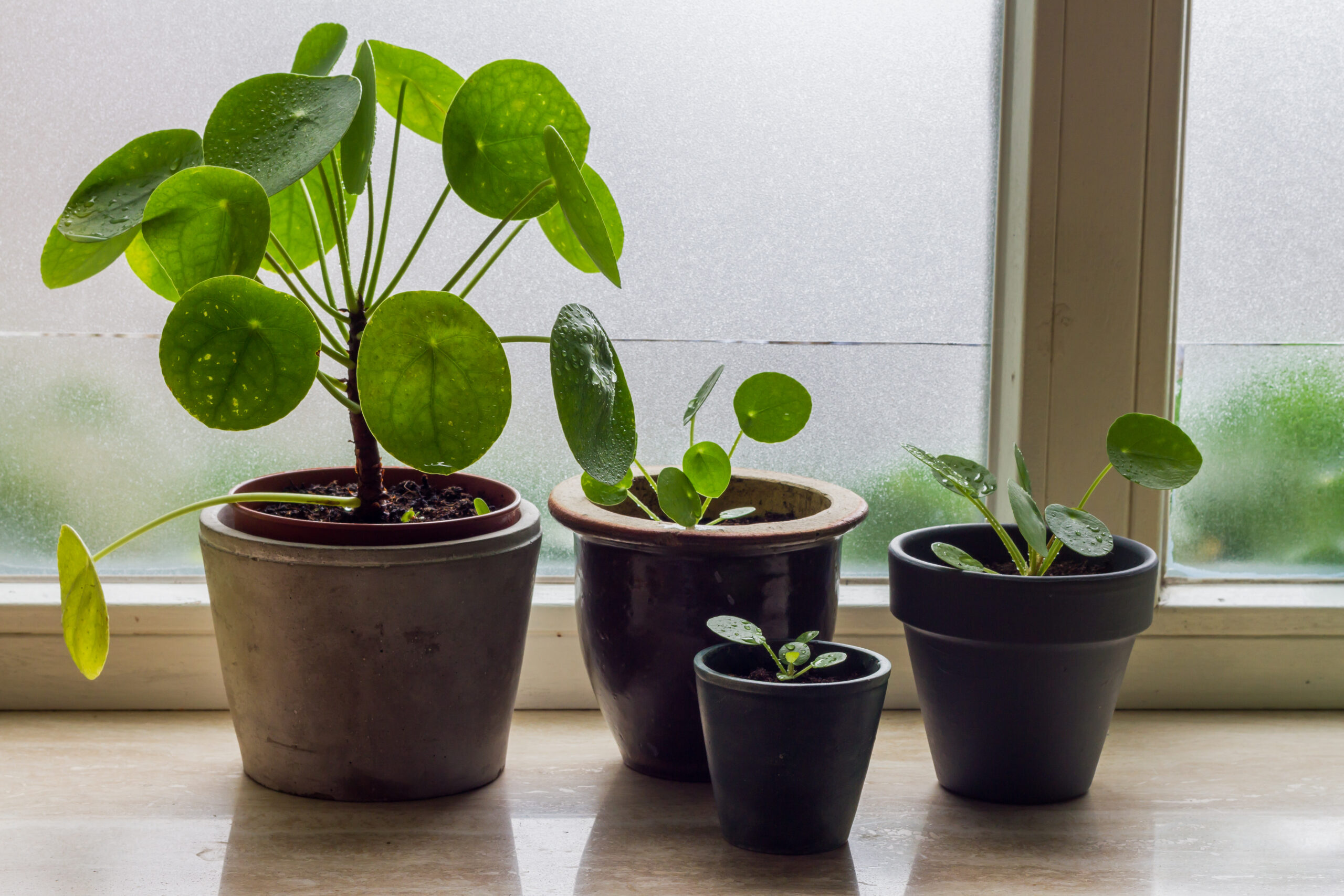
Gardening enthusiasts enjoy planting flowers and plants at home. Even without a yard or garden, planting in pots and containers is a viable option. However, potted plants may not thrive, and the reason is not necessarily due to lack of fertilizer, insufficient light, or improper pruning. According to gardening experts, this issue could be a common watering problem.
Professional gardener Joseph Clark shared on Instagram that watering potted plants with a watering can may have more disadvantages than benefits. He emphasized the importance of being cautious while watering plants from the top, especially in containers.
He explained that there are often tiny gaps between the soil and the inner walls of most containers, particularly common in plastic flower pots. Water tends to flow along the path of least resistance, running down the sides of the pot and directly draining out from the bottom drainage holes, sometimes leaving the center of the root ball dry.
To address this issue, the best approach is typically to water plants from the bottom through drainage holes, especially for seedlings in seed trays or small pots. This ensures even water penetration throughout the soil layer.
One effective method he suggested is filling a large tray or container with water and placing the potted plants directly into it so that the soil absorbs water through the drainage holes at the bottom, aiding in even water absorption by the plant.
Although using a bowl in the video was for demonstration purposes, Clark personally prefers using large metal trays to water multiple pots at once. Despite the common practice of top watering, he recommended occasionally trying bottom watering, especially with a large waterproof tray if time allows.
When planting larger plants in sizable containers, bottom watering may not be feasible. In such cases, burying a small pot with drainage holes in the soil within the container and watering directly into the small pot can effectively deliver water to the plant’s root system, where it is most needed.
Regarding the best time to water plants, British gardening expert Harry Bodell previously stated that mornings are optimal due to cool air allowing water to penetrate the soil and be absorbed by the roots. Watering in the morning also gives plants a chance to dry during the day, reducing the risk of diseases.
Bodell advised against watering later in the day, especially at night, as it could lead to water retention in leaves and soil, promoting fungal growth.
He also recommended watering deeply into the soil rather than frequent shallow watering. To check if your plants need watering, insert your finger into the soil about 2 inches deep. If the soil is dry, it indicates the plants require watering.
Thus, watering plants at the right time and using proper techniques can help prevent fungal diseases and ensure healthy plant growth.