
“We were out at sea all day, and in the end, we only caught one crab alive,” Beshlie Pool, the executive of the South Devon and Channel Shellfish Fishermen’s Cooperative in the UK, lamented to Reuters.
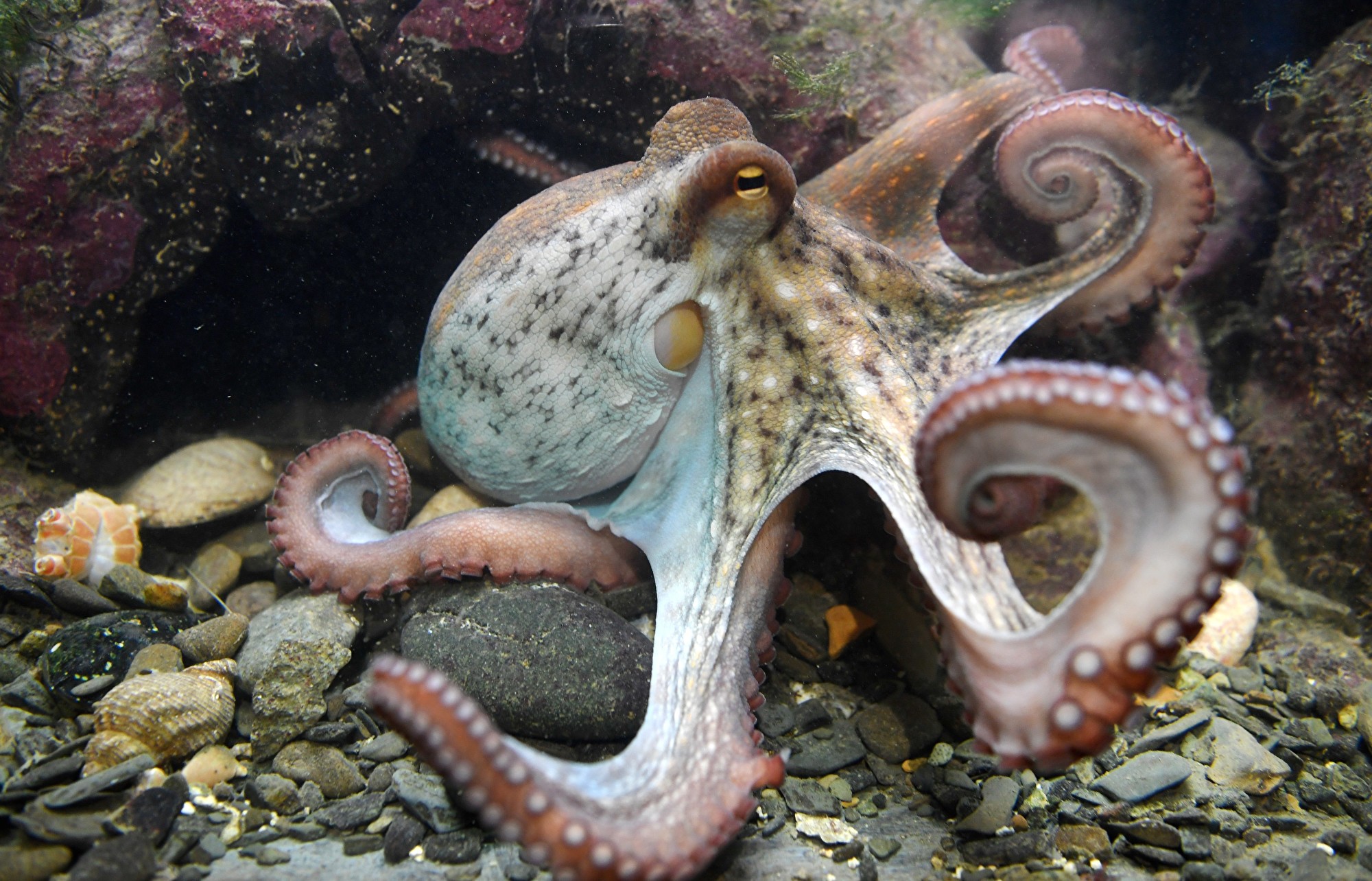
Pulling up the crab traps, instead of a bountiful catch, they found leftover shell fragments and a large influx of octopuses. The phenomenon dubbed by local fishermen as the “Octopus Apocalypse” is unfolding in the English Channel – where common octopuses, who prefer the warm seas of the south, are invading in large numbers, nearly wiping out local crab, lobster, and scallop populations. This seemingly bizarre ecological phenomenon is driven by the extreme marine heatwave sweeping through the entire European maritime region.
According to Reuters’ data analysis, from June to August 2026, the average sea surface temperature in Europe reached 21.6 degrees Celsius, the highest recorded temperature in 45 years. From the Mediterranean to the English Channel, the abnormal high temperatures are drastically reshaping marine ecosystems, plunging coastal fishermen from Spain to the UK into serious livelihood crises.
Long-term monitoring by the Plymouth Marine Laboratory (PML) and the Marine Biological Association (MBA) reveals that the English Channel has been experiencing nearly half a year of heatwave conditions each year since 2022, with local water temperatures even surpassing historical averages by 5 degrees Celsius. This warm water environment has led to a surge in survival rates of common octopus larvae and unprecedented large-scale breeding in UK waters.
According to data from the UK Marine Management Organisation (UK MMO), before 2025, the annual octopus landings in the UK were less than 30 tons; however, there was a staggering increase to 2,600 tons in 2025, and by the first nine months of 2026, it had surpassed 3,000 tons. In the major fishing port of Brixham, there were even days where up to 200 tons of octopus were traded.
However, this boom spells disaster for traditional shellfish fishermen. Jack West, a local scallop fisherman, revealed in an interview with the PML that scallops in some bays are nearly extinct. While some fishermen have transitioned to catching octopus and profiting in the Southern European markets, many small crab boats are unable to transition due to a lack of heavy equipment. Out of around 90 fishing vessels in the cooperative, four have been forced to cease operations.
Experts further warn that if octopuses consume all the shellfish and then die off, the entire sea will face an ecological desert with no crabs or octopuses left.
In the northern part of Spain’s Bay of Biscay and Asturias coast, high temperatures have fundamentally destroyed the ecological foundation. Jose Manuel Rico Ordas, a marine ecology professor at the University of Oviedo in Asturias, pointed out to Reuters that kelp forests require cold water below 20 degrees Celsius to survive, and since 2010, around 95% of the underwater kelp forests there have vanished.
The collapse of kelp forests has left lobsters, crabs, and sea urchins exposed. Manuel Angel Reiriz Gonzalez, the chairman of the Galician fishermen’s union, added that besides the sharp decline in shellfish resources, Portuguese man o’ wars and invasive bullet fish have also flooded in to prey on local juvenile fish, putting fishermen who rely on collecting shellfish for a living in an existential crisis.
Jean-Pierre Gattuso, a senior researcher at the French National Centre for Scientific Research (CNRS), told Reuters that the most surprising aspect is the speed at which the ocean is warming and undergoing ecological changes, with records being broken almost daily.
Professor Matt Frost from the Plymouth Marine Laboratory (PML) emphasized that while marine heatwaves bring new species, humans cannot choose “only the good ones, not the bad ones.” Dr. Robert Wilson’s study published in Nature Communications at PML further indicates that the impact of underwater heatwaves in the coming decades could exceed the ocean surface, bringing long-term devastating effects to marine life unable to flee and coastal communities dependent on them for survival.