
The southwestern region of the United States experienced severe flooding over the weekend, with some river water levels beginning to recede by Monday, November 2. However, in certain areas, river levels continued to rise, prompting local residents to remain on high alert. In fact, some locations have had to adjust their voting arrangements for the upcoming elections due to the impacts of the flooding.
The heavy rainfall over the weekend led to widespread flash flooding across large portions of the southwest, resulting in evacuation orders for a number of affected areas. These areas included parts of the Four Corners region, which is where the states of Utah, Colorado, New Mexico, and Arizona converge, as well as northern and central Arizona. According to the National Weather Service, rainfall in the area began to accumulate due to a series of Pacific storm systems and could reach up to 4 inches (approximately 10 centimeters) by Monday.
In the southwest region of Colorado, some residents along the Animas River were forced to evacuate their homes. As a result of flooding and damage to bridges, all roads in La Plata County remained closed on Monday.
Officials have warned that neighboring Archuleta County, particularly the area around Pagosa Springs, could experience flooding with potentially catastrophic consequences.
On a slightly more positive note, the National Weather Service reported that late evening water level monitoring indicated the San Juan River had begun to recede after peaking at 16.81 feet (around 5.1 meters) and was expected to continue declining on Monday.
Nonetheless, further downstream in New Mexico, water levels in the San Juan River were still on the rise, prompting authorities to issue evacuation orders for some residents of San Juan County.
Residents in Rio Arriba County, New Mexico, have also been forced to evacuate due to flood warnings issued for the local Rio Chama River, which are expected to remain in effect until Tuesday.
In the picturesque town of Sedona, Arizona, officials issued evacuation orders on Sunday for residents near Oak Creek, as flooding had already trapped several individuals in their homes.
Despite these challenges, National Weather Service officials indicated that the bulk of the rainfall was diminishing and that the weather is expected to become drier over the coming days.
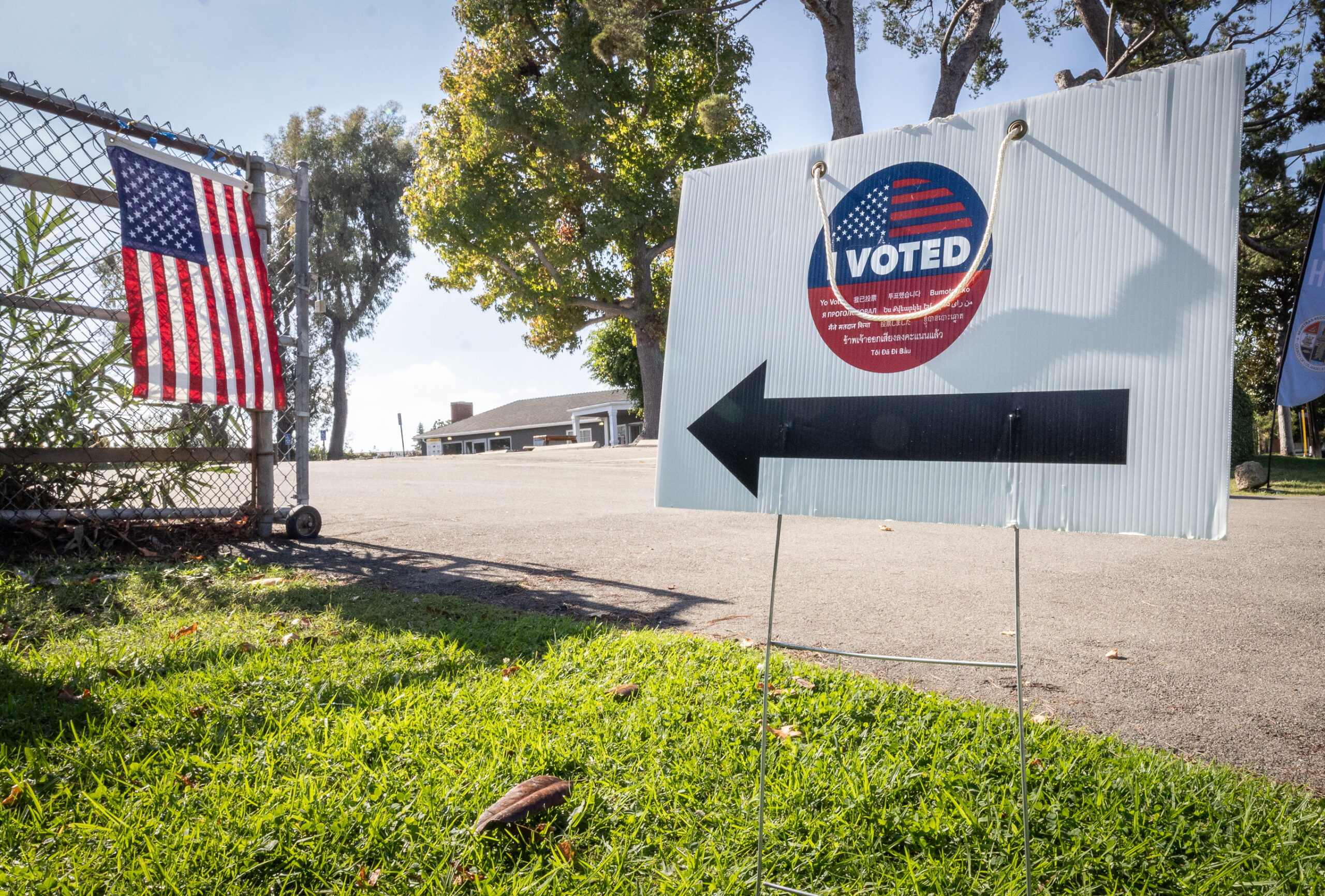
In response to the threat of flooding, the Colorado Secretary of State’s office developed alternative voting options to ensure that residents in the affected areas could still vote in the midterm elections scheduled for Tuesday.
In a press release, the office explained that residents of Pagosa Springs, who had not yet voted and were affected by the flooding, could “go to any voting center statewide to apply for and receive a replacement ballot.”
However, voters who choose to vote in person outside of their home county would only be able to do so for statewide elections. If voters could obtain a mail-in ballot, they would be allowed to submit their ballots at any statewide drop box or return them to a voting center up until 7 p.m. on Election Day. These ballots would subsequently be returned to the voters’ home counties, where the county clerk’s office would conduct signature verification and tally the votes.
Voting centers in La Plata County will still be open, but some county offices, including the county clerk’s office, will implement special operating hours on Tuesday.
In Arizona, evacuation orders were also issued in several areas. Residents living near rivers and creeks experiencing rapid rises in water levels were instructed to evacuate, particularly in Yavapai County and the community of Camp Verde.
Gila County officials also mandated the evacuation of residents from the Gisela community, which is located along Tonto Creek and home to hundreds of individuals.
Moreover, rain-induced flash flooding and river overflows also occurred in Tucson, leading to swift water rescue operations. Flooding also affected the areas of Flagstaff and Pinetop-Lakeside.
Such stark weather conditions highlight the ongoing challenges faced by communities across the southwestern U.S., and officials are continually working to ensure resident safety and efficient election processes amid the crisis.