
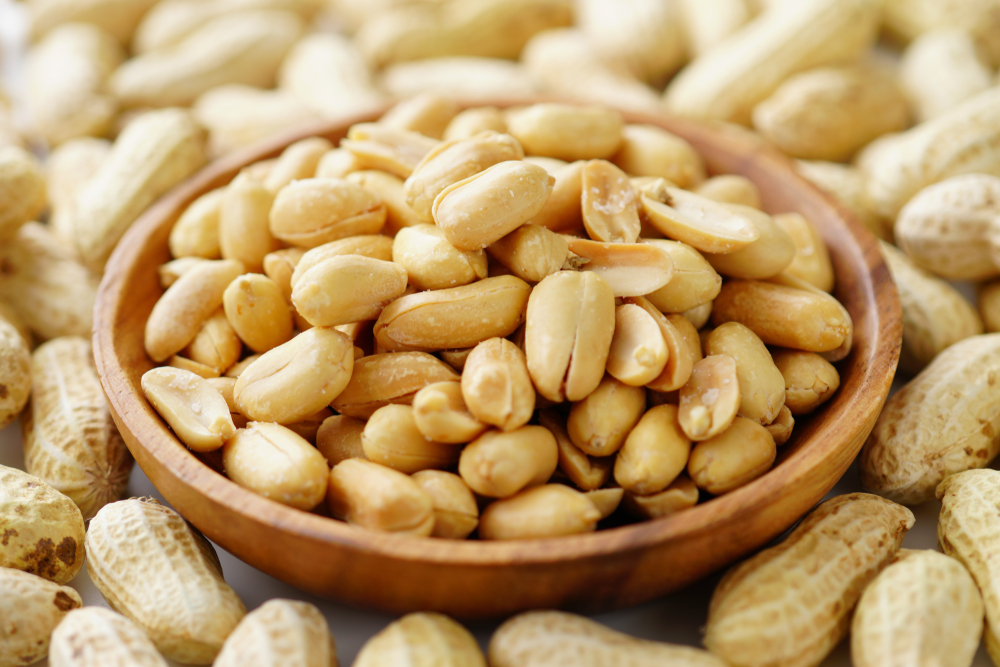
Researchers in the Netherlands have conducted a fascinating study examining the effects of peanuts on brain function, particularly in older adults. This investigation might sound like a traditional health tip passed down through generations, yet the scientific community has taken a serious look at whether these humble legumes can indeed boost cognitive health.
The study, performed at the Maastricht University Medical Center, enlisted 31 healthy elderly participants aged between 60 to 75. Over the course of 16 weeks, these individuals consumed a daily dose of 60 grams of unsalted, roasted peanuts. The researchers aimed to observe any changes in brain activity related to memory, comparing data gathered during the peanut consumption phase with a control phase where no peanuts were consumed. The sequence of these phases was randomized, with an eight-week washout period in between.
A daily intake of 60 grams translates approximately to two small handfuls of peanuts — a significant amount aimed at understanding whether consistent peanut consumption can induce measurable changes in the brain.
The findings were intriguing. After 16 weeks of daily peanut consumption, the elderly participants showed positive changes in certain brain regions associated with memory. Notably, when stimulated with insulin via the nasal cavity, these brain areas—including the hippocampus, parahippocampal gyrus, and posterior cingulate cortex—displayed improved blood flow responses. These regions are crucial to cognitive functions such as learning and memory.
Most people associate insulin primarily with the regulation of blood sugar levels, but it also plays an important role in the brain. Insulin is instrumental in the transmission of information between nerve cells, contributing to cognitive processes like learning and memory. However, research suggests that with advancing age, the brain’s sensitivity to insulin may diminish.
To illustrate, one can think of insulin as a messenger responsible for relaying signals within the brain. When signals are transmitted, brain cells are expected to respond appropriately. If the cells become less sensitive to insulin, their responses may not be as effective as they once were.
The study’s senior author, Peter J. Joris, an associate professor at Maastricht University Medical Center, emphasized that these findings indicate a beneficial effect of daily peanut consumption on the insulin response in brain regions associated with memory in older adults.
However, it is crucial to note that this does not directly imply that eating peanuts will necessarily enhance memory or cognitive skills. The research focused on the brain’s response to insulin rather than establishing that participants had become more intelligent or less forgetful.
Peanuts, while quite common and often viewed as a simple snack, are packed with an array of nutrients. They are rich in unsaturated fats, plant-based proteins, dietary fiber, vitamins, minerals, as well as various bioactive compounds. The researchers speculate that this complex blend of nutrients might collectively contribute to the favorable changes observed in the brain’s response mechanisms.
One ingredient that garnered particular interest is L-arginine, a precursor for the synthesis of nitric oxide in the human body. Nitric oxide is involved in vascular regulation and has been linked to processes related to learning and memory. Nonetheless, the specific component responsible for the observed brain benefits remains undetermined.
Interestingly, this study isn’t the first instance where this research team uncovered brain-related changes from peanut consumption. In 2025, they published an analysis based on previous data from the same participants, reporting a significant increase in overall cerebral blood flow—by about 3.6%—during the peanut consumption phase. Moreover, they also noted improvements in some language memory test scores.
It’s worth noting that the caloric content of 60 grams of peanuts is roughly 340 to 360 kilocalories, depending on the variety. This amount could push one’s daily caloric intake beyond recommended limits if consumed in addition to regular meals. To manage caloric intake effectively, it is advisable to use peanuts as a replacement for other snacks, such as cookies or chips, rather than tacking them on after meals.
Lastly, for those who have peanut allergies, it is crucial to avoid consumption altogether, as the potential risks greatly outweigh the benefits. This research opens up an exciting avenue for further investigation into dietary choices and their impact on cognitive health in aging populations, suggesting that something as simple as a handful of peanuts could contribute positively to brain health.