
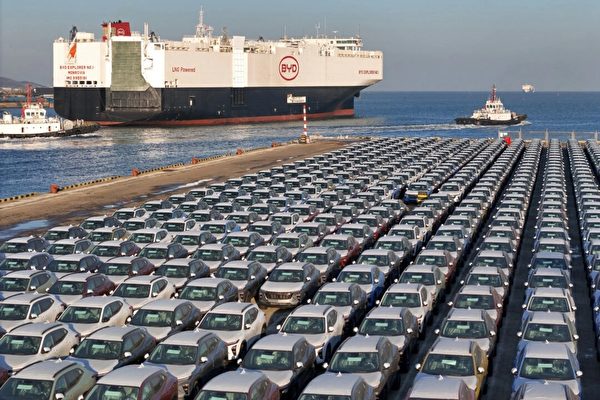
In recent times, the wave of Chinese new energy industry ‘going global’ is facing strong backlash from European societies. In June 2026, Ningde Times Hungary factory faced legal actions for illegal discharge of waste liquid, while BYD Hungary factory got embroiled in controversies of labor exploitation. Concurrently, the aftermath of the ‘slave labor scandal’ involving BYD in Brazil continues, leading to it being listed in the U.S. Department of Defense’s military industry enterprise list.
Analysts point out that these events reflect the structural contradiction of Chinese new energy companies directly transplanting low-standard production practices from domestic to overseas, posing a rapid escalation in trust challenges spanning across continents.
Ningde Times’ Debrecen factory in Hungary was found to have discharged ‘green liquid waste’ into municipal sewers illegally in the late night of May 5, leading to legal actions by the Hajdú-Bihar County government on June 5. Even though Ningde Times had completed pollution remediation within the stipulated time, the water management and environmental protection authorities still imposed fines for their illegal actions.
According to Hungary Today on June 8, despite Ningde Times’ claims of non-toxic dye in the released liquid, an investigation is ongoing. Local debrecen MP Zsolt Tárkányi had previously raised public alerts about dangerous chemicals detected in the liquid, including the reproductive toxic solvent NMP used in battery production.
In response to the incident, Ningde Times issued an apology and stated willingness to take full responsibility. They clarified that the dyes were non-toxic, but acknowledged subcontractors illegally discharging mixtures into sewers.
Professor Sun Guoxiang from the Department of International Affairs and Business at Nanhua University in Taiwan, analyzing for Dajiyuan, noted that if the investigation confirms violations, Ningde Times’ role as a crucial partner in the European green supply chain could shift to becoming an environmental governance risk.
He emphasized that European societies might further question whether Chinese new energy companies are transferring pollution, water resource consumption, chemical risks, and labor costs to overseas markets.
Continued below…