
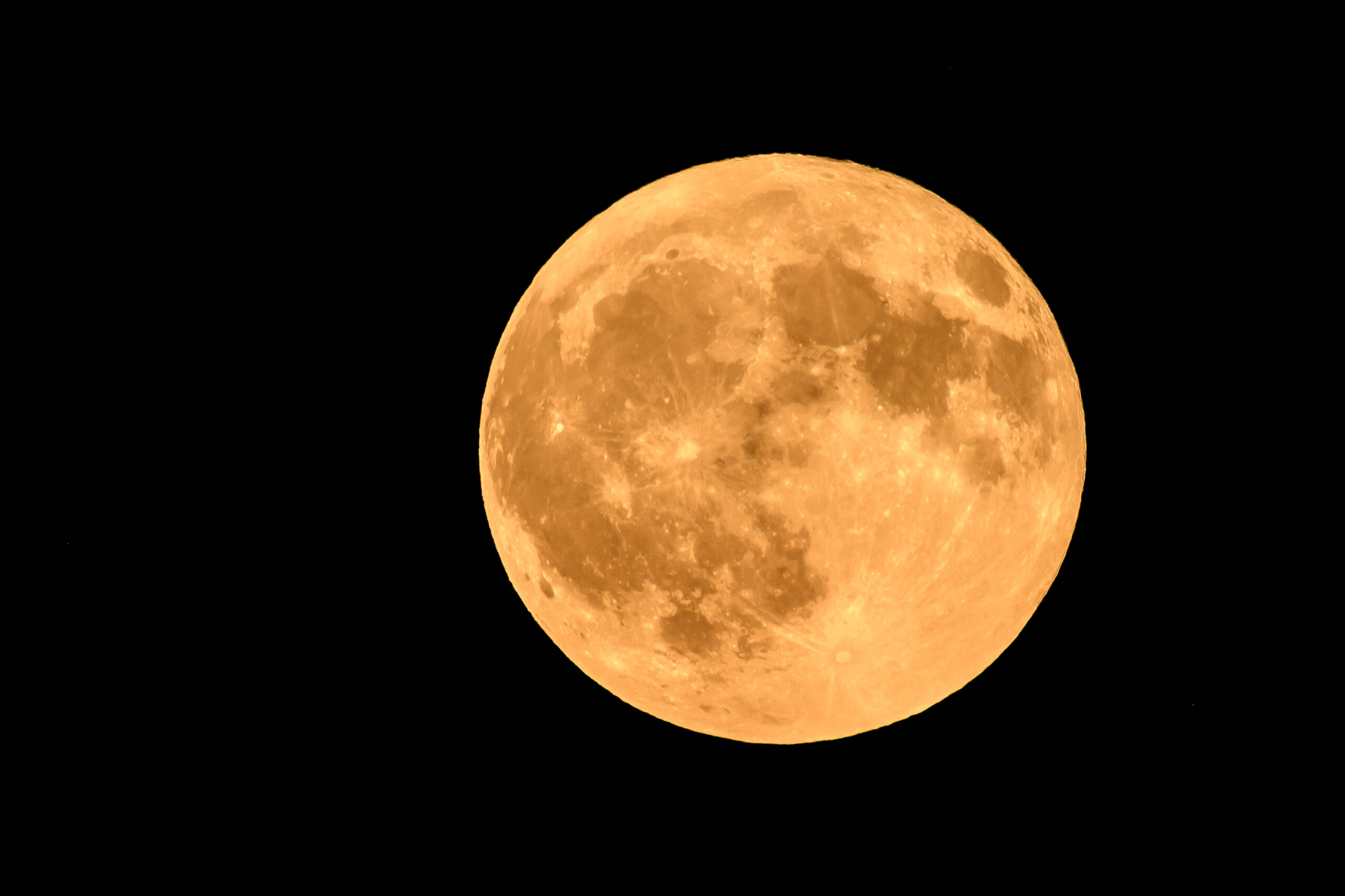
On Wednesday evening, just after the summer solstice, the first full moon post-summer solstice, known as the Buck Moon, hung high in the night sky. Photographers and star gazers from around the globe, from European castles and Middle Eastern mosques to urban skyscrapers, picked up their lenses to capture the dazzling moments of this full moon against various iconic landscapes.
With its meteorological significance as the second full moon of the summer, the “Buck Moon” gets its name from the observation of natural seasons by Native Americans in North America, symbolizing the rapid growth of soft new deer antlers around this time each year. This round, shining full moon carrying the ancient natural seasonal symbolism, also traveled westward that night, casting its dreamlike light and shadows across the European continent and the Middle East.
In Switzerland, the radiant moonlight shimmered on the lakes and mountains. In the lakeside town of Riex, the Buck Moon slowly rose, setting off the tranquil night scene at the foothills of the Alps.
Near the western town of Forel, the full moon precisely lingered behind the Mont Pelerin launch tower, creating a visual composition blending modern technology with astronomical phenomena.
In Northern Italy’s Lake Orta, an enchanting night unfolded. The massive Buck full moon emerged from behind the bell tower of the ancient Basilica of San Giulio, casting a dark silhouette of the stone-built ancient architecture against the backdrop of the full moon, exuding a solemn and dignified atmosphere.
On the eastern side of the Mediterranean and the Balkan Peninsula, the night sky of Pristina was also illuminated by this full moon.
In the prominent Middle Eastern city of Doha, the Buck Moon met with the famous Abdulhadi Bin Zaid Mahmoud Islamic Cultural Center (also known as Fanar Mosque), as the moonlight crossed the mosque’s iconic spiral-shaped minaret, intertwining rich regional charm with romantic light and shadows.
In Kuwait City and Warsaw, Poland, the full moon rose above the city skylines and modern skyscrapers, showcasing the ultimate beauty of the urban night sky.
According to astronomical experts, the “Buck Moon” reached its peak during the day on July 29 in Greenwich Mean Time and maintained its bright, round appearance for several nights before and after. The Royal Observatory Greenwich noted that due to the frequent summer thunderstorms in July, this full moon has historically also been called the “Thunder Moon.”
As the “Buck Moon” sets, the last full moon of the meteorological summer, the “Sturgeon Moon,” is expected to rise on August 28.