
A research team from ETH Zurich, Switzerland, has made strides in the fight against diabetes and obesity by developing an experimental implant device capable of controlling blood sugar levels. This innovative device uses a process known as electrochemical oxidation to convert excess glucose in the blood into harmless gluconate, employing a mild electric current. In tests conducted on mice suffering from diabetes and obesity, the device successfully stabilized blood sugar levels and contributed to weight loss.
The findings of this study, which was published on October 22, 2026, in the journal Science, highlight a significant response to a growing health crisis. Approximately 790 million people worldwide are affected by type 2 diabetes, and the number of individuals classified as obese exceeds one billion. Under the guidance of Professor Martin Fussenegger from ETH Zurich, the research aims to develop a novel, drug-free approach to managing what is often referred to as “diabesity.”
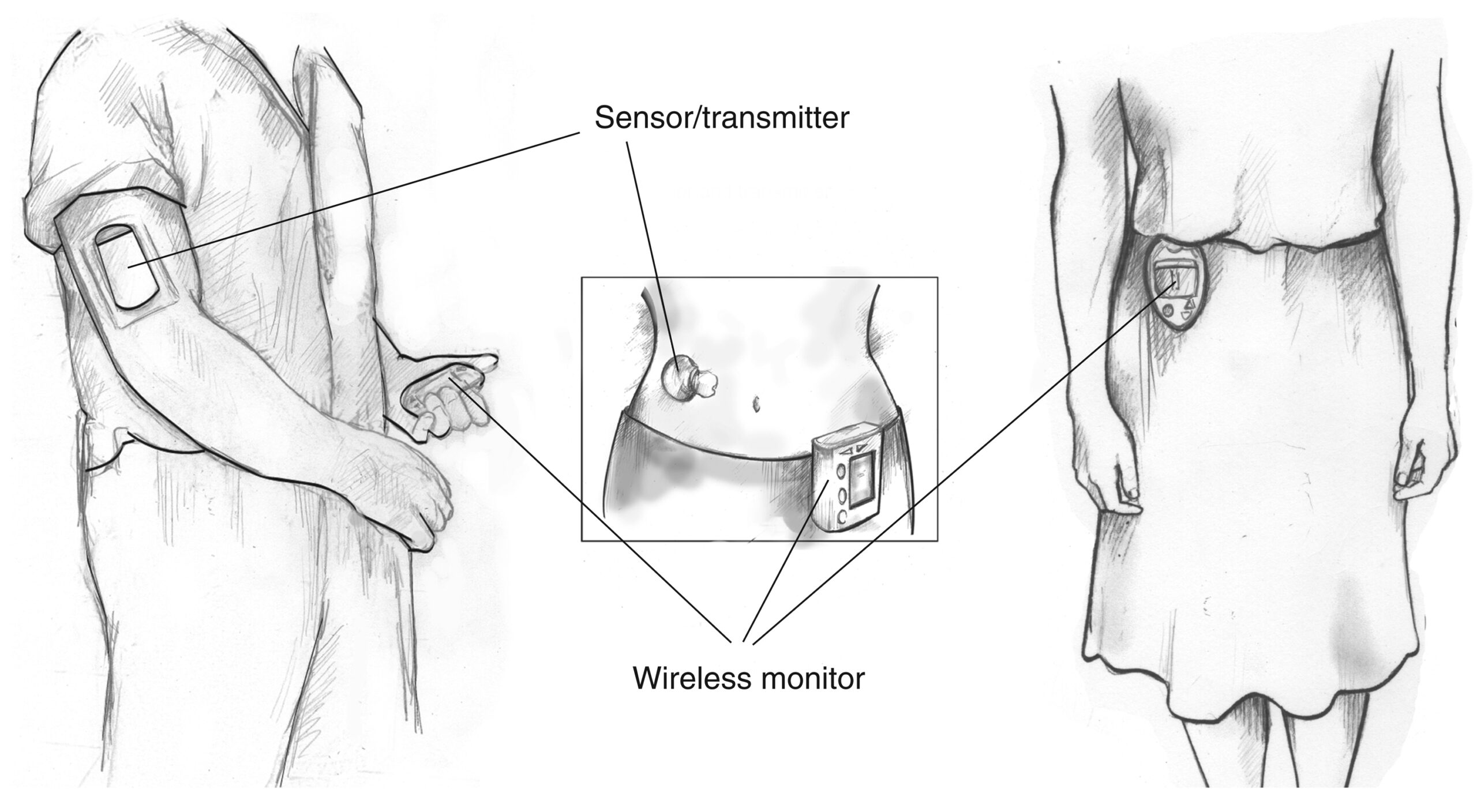
The device works in conjunction with a continuous glucose monitoring (CGM) system, forming a sophisticated medical solution. At the heart of the system is a reaction chamber about one inch long, fitted with electrodes coated with nanoparticles of gold and platinum. These electrodes facilitate the electrochemical oxidation process that converts glucose into gluconate, a metabolic byproduct that is harmless to the human body.
One of the notable features of this implant is its lack of a battery. Instead, it operates entirely wirelessly. A user’s smartphone emits low-power radio waves, which the implant converts into direct current to drive the necessary chemical reaction. The system intelligently adjusts the intensity of the wireless power supply based on real-time readings from the glucose monitor, creating a feedback loop: when blood sugar levels rise, the device accelerates glucose conversion, and when levels return to normal, it reduces the conversion rate.
In experimental trials with mice that had diabetes and obesity, the implant maintained stable blood sugar levels over six weeks, resulting in a significant average weight loss of about 10%. Crucially, the device includes a self-regulating mechanism that prevents blood sugar from dropping to dangerously low levels, thereby mitigating the risk of hypoglycemia.
Further laboratory tests involved approximately five liters of glucose solution, roughly equivalent to the total blood volume in an adult human. The device continued to demonstrate robust control over glucose concentrations, suggesting its potential scalability for human use.
Looking ahead, the research team intends to conduct tests on larger animals before moving into clinical trials with human participants. One of the main challenges that remains is to validate that the electrochemical reaction can efficiently convert sufficient amounts of glucose within the complex environment of the human body, all while ensuring that the device operates safely and effectively over the long term.
Professor Fussenegger stressed the importance of a balanced approach, emphasizing that this technology is not intended as a shortcut to replace healthy living. “Our device is not a substitute for healthy eating, physical activity, or preventive medicine,” he pointed out, underscoring the foundational need for lifestyle adjustments alongside technological advancements in managing diabetes and obesity.