
The animal kingdom is filled with astonishing and bewildering behaviors, many of which appear utterly bizarre at first glance. However, beneath these strange actions often lies a profound survival instinct. Nevertheless, not every phenomenon can be easily explained. Here, we delve into five perplexing animal behaviors that leave both laymen and scientists alike scratching their heads.
According to the BBC’s nature science columnist, certain species exhibit survival abilities that are far beyond human comprehension. For instance, some ants herd aphids like livestock, while lizards can eject blood from their eyes to deter predators. Additionally, numerous mammals possess the ability to delay pregnancy, increasing their offspring’s chances of survival. Intriguingly, some crabs are known to carry sponges as a unique form of protective camouflage.
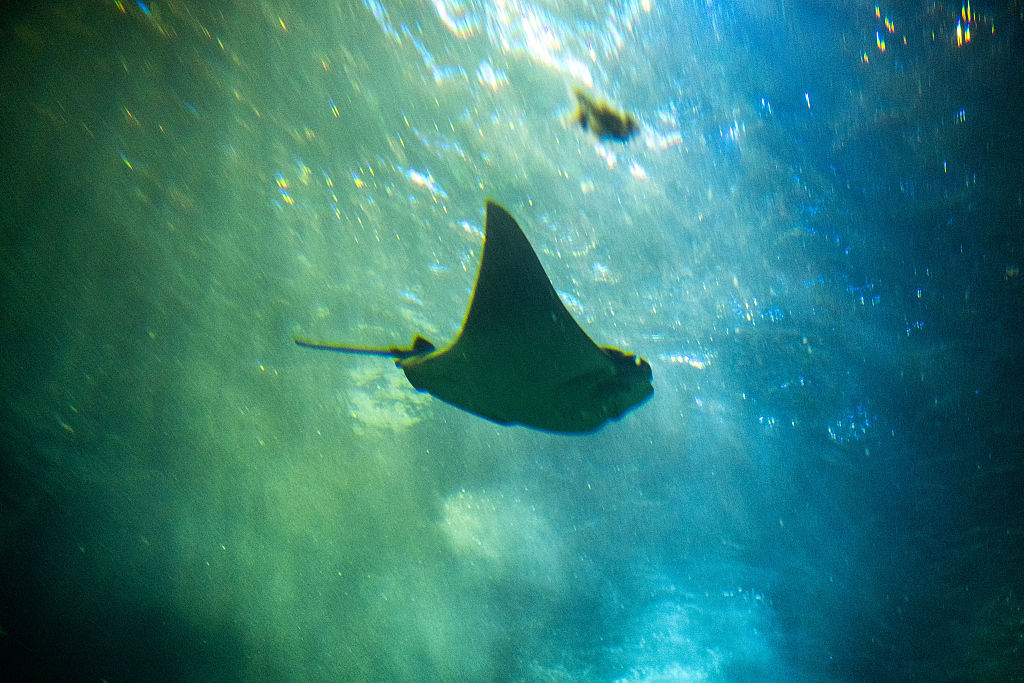
One such mystery involves the Mobulidae family, which includes manta rays and devil rays. These fascinating fish are adept at using their triangular pectoral fins to glide gracefully across the water’s surface, often leaping as high as two meters into the air. When they come down, they slap their bellies on the water with a tremendous splash, creating a loud noise that echoes across the sea.
Dr. Marta D. Palacios, a representative of the Mobula Conservation organization, recounted an awe-inspiring sight of mass ray jumping: “When hundreds of fish leap out of the water at once, it resembles popcorn popping energetically, creating the illusion that the entire sea is boiling.”
Some experts speculate that this leaping behavior is intended to showcase their physical prowess to attract mates. However, researchers have observed this same phenomenon occurring outside of breeding seasons, even among juvenile and pregnant females, indicating that it is not merely a courtship display. One alternative explanation suggests that this behavior allows them to dislodge parasites like remoras.
Dr. Palacios posits a broader interpretation — that these rays might be communicating with one another through their belly slaps. The messages conveyed could vary depending on the group dynamics, time of day, or season. For instance, when they gather to feed, belly flaps may signal an abundance of plankton at a particular location, or serve to rally their companions, enhancing their chances of evading predators like tiger sharks and orcas.
Another curious behavior among marine life is seen in whales, which have been observed wearing hats of seaweed and grass in a phenomenon dubbed “kelping.” This playful activity involves whales either alone or in groups frolicking, rolling around, and rubbing against kelp. Video footage shows these massive creatures entertaining themselves with a bundle of seaweed for over an hour.
Dr. Luke Rendell, a marine mammal behavior expert at the University of St Andrews, notes that while play is typically thought to be a rehearsal for adult survival skills, the kelping behavior doesn’t quite fit that mold. Recent studies reveal that over 50% of whales engaging in kelping are already matured, suggesting that this behavior is more about sensory stimulation, social interaction, and curiosity rather than practice for skills needed to survive.
Interestingly, similar playful behaviors have also been recorded in other species. In the 1980s, certain orca pods were documented holding salmon on their heads as fashionable accessories. The communal aspect of kelping among whales suggests potential social significance.
Researchers have also noticed that the actions associated with playing with kelp appear purposeful, often serving to scrape off barnacles and other parasites. Furthermore, certain microbes present in the algae may even help soothe skin irritations, acting much like a natural facial treatment.
In an equally fascinating example, American crows have often been spotted surrounding the remains of their deceased companions. The presence of a single crow discovering a carcass triggers an alarming response that brings vast numbers of crows together. Yet, these so-called “funerals” are anything but quiet, characterized instead by sharp, cacophonous cawing.
Professor Claudia Wascher, a behavioral ecologist from Anglia Ruskin University, notes that this behavior mirrors the “mobbing” tactics seen in various bird species. It is hypothesized that crows gather in this manner to collect information regarding potential threats in their environment. A dead companion usually signifies the presence of danger, prompting a communal alarm to alert others and raise awareness of potential risks.
Research has shown that when crows encounter carcasses or hear alarm calls, there is heightened activity in areas of the brain associated with complex decision-making. Additionally, if they spot a deceased crow nearby, they tend to slow their pace towards food and may give loud scoldings to humans in the vicinity of the body.
Sloths are another enigma in the animal realm, renowned for their slow movements. Typically residing within treetops, one might wonder why they would choose to descend to the ground for their bathroom needs when they could simply relieve themselves from the safety of the branches. This behavior appears counterintuitive, especially given their limited energy reserves.
Amelia Symeou, a biologist and data analyst for the Sloth Conservation Foundation, remarked, “This bathroom trek is a significant mystery. They conserve very little energy daily, yet they expend precious physical resources to climb down from trees for a bathroom break only to ascend again. This seems entirely illogical to us.”
The journey for sloths to find a restroom can take as much as three hours, during which time they are highly vulnerable to predators. Fortunately, sloths have a slow metabolism and typically descend just once a week.
Several explanations have been proposed to understand this behavior. One theory suggests that sloths may retain ancestral habits from their ground-dwelling relatives, possibly seeking out soil to aid digestion. Furthermore, researchers have found that female sloths tend to defecate almost daily during mating season, indicating a link between this behavior and reproductive cycles.
There’s also a connection to a unique insect known as the sloth moth, which shares a symbiotic relationship with the sloth. The moth relies on sloth feces for reproduction, and when they die, their decomposition enriches the sloth’s fur with nitrogen and nutrients, fostering the growth of algae that offers the sloth camouflage within its rainforest habitat.
As dusk approaches, countless starlings gather in the sky, forming a breathtaking spectacle resembling enormous clouds of black. Their synchronized movements — diving and twisting in unison — display seamless coordination, allowing them to avoid collisions even while flying at high speeds. Many observers have likened this mesmerizing display to a ballet in the sky.
It is generally understood in the scientific community that this phenomenon serves as an intricate and highly effective defensive measure to deter predators. The sheer number of birds in flight significantly reduces the odds of any single bird being captured, while the collective vigilance enables them to detect threats more readily.
Another theory posits that flocking behavior acts as a grand advertisement for locating suitable roosting spots for the night. But how do these birds manage to avoid crashing into one another during their intricate aerial displays?
Currently, the leading theory asserts that each starling keeps a close watch on the movements of its “seven nearest neighbors.” If one bird alters its direction or speed, the others swiftly adjust to maintain the collective formation. A separate research team has indicated that the neural networks within starlings assist them in constantly recalibrating their position in relation to their companions based on the surrounding environment.
Through these fascinating behavioral patterns, it becomes increasingly clear that the animal kingdom is far more complex than it may initially appear. Understanding these behaviors not only deepens our appreciation for the intricacies of wildlife but also inspires us to continue exploring the mysteries of nature in all its forms.