
The design of hybrid vehicles primarily aims to reduce fuel expenses, offering a sustainable alternative for consumers looking to save on energy costs. Hybrid vehicles can be categorized into two main types: conventional hybrids (HEVs) and plug-in hybrids (PHEVs). The fuel efficiency of hybrid models from various brands can significantly differ, making it crucial for potential buyers to conduct thorough research before making a purchase.
Conventional hybrid vehicles utilize one or more small electric motors in conjunction with an internal combustion engine, whereas plug-in hybrids are equipped with more powerful electric motors and larger battery systems, enabling them to travel a certain distance solely on electric power. This is a feature that conventional hybrids do not possess. Once the electric charge is depleted, plug-in hybrids operate similarly to their conventional counterparts.
In the competitive landscape of hybrid vehicles, fuel economy varies greatly across different models. For those who prioritize exceptional fuel efficiency, understanding the specifics of each model is imperative.
U.S. News has ranked various models based on their fuel economy performance, taking into account the consumption data. The following list highlights the best fuel-efficient hybrids and plug-in hybrids available.
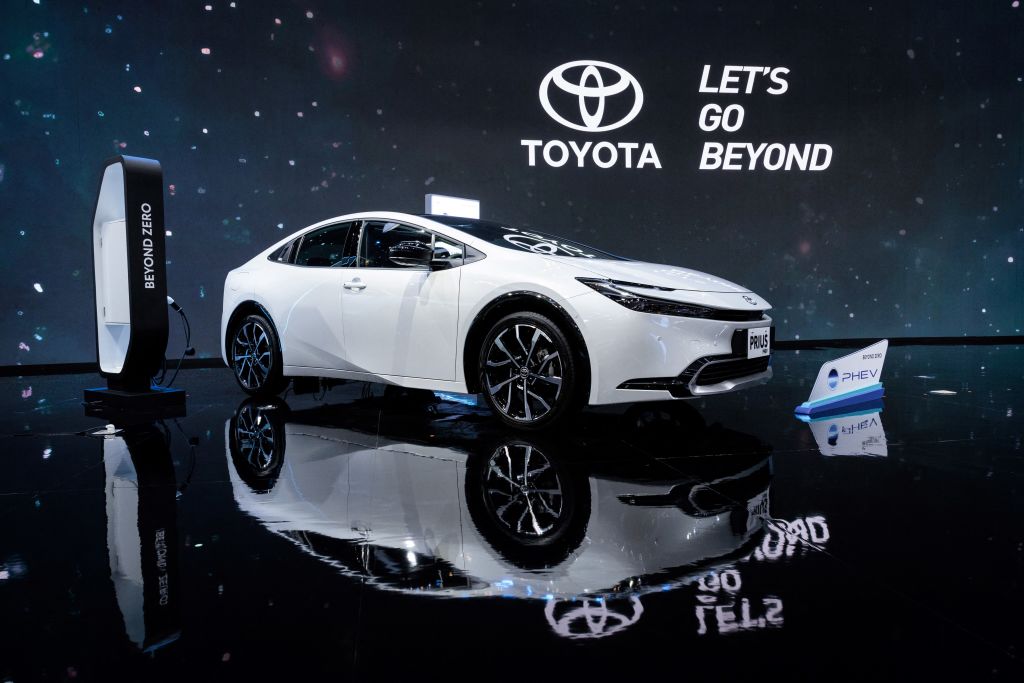
The top-rated vehicle in terms of fuel efficiency is the 2026 Toyota Prius Plug-in Hybrid, achieving an astonishing 127 MPGe with an electric-only range of 44 miles. In hybrid mode, the Prius boasts a combined fuel consumption of 52 mpg, outperforming all other plug-in hybrids on the list. Notable contenders include the Kia Niro with a combined 53 mpg, the Hyundai Elantra Hybrid at 54 mpg, and the non-plug-in version of the Toyota Prius, which reaches a combined 57 mpg.
Within its class, the Prius Plug-in Hybrid has a cargo space second only to the Honda Civic Hybrid hatchback. The front passenger area is spacious, while the rear offers adequate headroom for adults despite being relatively snug.
Another strong competitor is the 2026 Toyota RAV4 Plug-in Hybrid, rated at 8.9/10 by U.S. News with a remarkable fuel economy of 107 MPGe, thanks to its electric range of up to 52 miles. In hybrid mode, it offers a combined estimate of 41 mpg for city and highway driving. Standard features in this model include fabric seats, while higher trims offer options such as synthetic leather. Although the cargo capacity is impressive, it slightly trails behind the Hyundai Tucson Plug-in Hybrid and the Kia Sportage Plug-in Hybrid.
All RAV4 Plug-in Hybrid variants come equipped with Toyota’s Safety Sense 4.0 active safety system suite.
The 2026 Ford Escape Plug-in Hybrid has also demonstrated solid fuel efficiency with a rating of 8.0/10, achieving 101 MPGe and 40 mpg combined fuel economy. It allows for 37 miles of electric-only driving, though this vehicle’s overall performance is less compelling. It accelerates from 0 to 60 mph in 8.0 seconds, offering a rather mundane driving experience, with no all-wheel drive option available.
The interior of the Escape Plug-in Hybrid is spacious; however, the quality of materials used in its construction is somewhat average, and while the seats offer decent comfort, the vehicle is set to be discontinued this year without a 2027 model release.
Another noteworthy entry is the 2026 Toyota Prius, which holds the title of “fuel efficiency champion” among non-plug-in hybrids, thanks to its impressive 57 mpg combined fuel economy. It accelerates briskly, reaching 60 mph in only 7.2 seconds.
The Prius comes filled with standard features that enhance its value, including wireless Apple CarPlay and Android Auto, a Wi-Fi hotspot, adaptive cruise control, lane-keeping assistance, and satellite radio. Its cargo space is rated highly in its class, with up to 23.8 cubic feet available when the rear seats are folded down, just shy of the Civic Hybrid’s 24.5 cubic feet.
The Lexus NX Plug-in Hybrid, rated 7.7/10, offers a vigorous powertrain with a total system output of 304 horsepower and accelerates to 60 mph in just 6 seconds. In its fully charged state, the vehicle can travel 37 miles on electric power alone before switching to hybrid mode. It includes an all-wheel drive system and maintains the brand’s reputation for smooth and comfortable driving experiences.
Inside, the NX features a well-designed cabin with high-quality materials. It also comes standard with leather seating, heated and ventilated front seats, and a wireless smartphone integration system. However, one drawback includes its less-than-competitive cargo space compared to some rivals.
Despite having a higher starting price, the 2026 Kia Sportage Plug-in Hybrid is noted for its value proposition. It combines outstanding fuel efficiency—83 MPGe with a 36 mpg combined rating—with a robust powertrain that can output 265 horsepower, ensuring a powerful driving experience.
Each model of the Sportage is equipped with modern conveniences such as a 12.3-inch touchscreen display, smartphone connectivity, dual-zone climate control, and a panoramic sunroof, positioning it as a premium yet economical choice in the market.
The Hyundai Elantra Hybrid boasts a compelling combination of fuel efficiency and affordability. The 2026 model, with its starting price below $30,000, makes it a sound option for budget-conscious buyers. It features three different configurations that don’t compromise on performance, generating 139 horsepower sufficient for safe merging on highways. The interior offers ample space with high-quality finishes and sufficient seating for adults, with a substantial trunk space of 14.2 cubic feet, alongside a standard power liftgate.
Another small SUV to consider is the Kia Niro, which aside from its commendable fuel economy of 53 mpg combined, also provides reasonable acceleration though may produce noticeable noise during rapid acceleration. The suspension system effectively minimizes bumps, ensuring passenger comfort, while its strong braking capabilities offer peace of mind.
The 2026 Hyundai Tucson Plug-in Hybrid shines in performance and safety, recognized as a Top Safety Pick+ by the Insurance Institute for Highway Safety (IIHS) for its superior safety ratings. This model delivers a stunning total system output of 268 horsepower and allows for 32 miles in electric mode before it shifts to hybrid functionality. While the base SEL model may lack some features, upgrading to the Limited trim unlocks all available active safety functions.
Toyota has revamped the Camry to offer only hybrid configurations across the lineup, delivering excellent fuel economy at 51 mpg combined while providing a comfortable driving experience with an extensive list of standard features. The Camry comfortably accommodates five passengers with ample legroom in both the front and rear seats.
Lastly, the 2026 Hyundai Sonata Hybrid stands out in the midsize hybrid sedan segment, producing a combined output of 192 horsepower. This model is also recognized with an IIHS Top Safety Pick+ rating, solidifying its place as a reliable choice for prospective buyers.
The 2026 Toyota Corolla Hybrid also delivers remarkable fuel economy at 50 mpg combined, attracting budget-conscious consumers with a starting price below $25,000. The Corolla offers all-wheel drive versions for those looking for enhanced performance in inclement weather. Equipped with a four-cylinder engine and an electronic continuously variable transmission, the driving experience is responsive in city conditions but may feel sluggish on highways.
With electric-only ranges extending up to 30 miles before transitioning to gasoline power, these vehicles often benefit from a turbocharged four-cylinder engine, electric motor, and a lithium-ion battery pack of 14 kWh.
Overall, the hybrid and plug-in hybrid vehicle landscape continues to evolve, presenting an array of options that cater to diverse consumer needs, making it an exciting time for those seeking a blend of efficiency, performance, and innovation.