
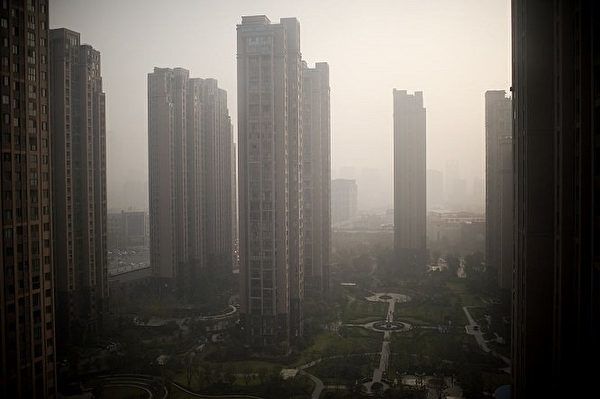
In recent years, the Chinese real estate market has experienced drastic shifts, leading many families to struggle under the weight of mortgage pressures and insurmountable debts. As a result, a growing number of households have found themselves in troubling situations, facing decisions such as halting mortgage payments or being forced into foreclosure. On November 10, a topic that highlighted these challenges surged on Weibo, labeled “A house in Meishan originally valued at 1.6 million yuan now sells for just over 300,000,” as well as discussions around the consequences of ceasing mortgage payments.
The catalyst for this viral topic was a screenshot of a home purchase contract circulating online, which indicated that a property in the Tianfu New Area of Meishan, purchased in 2019 for 1.6 million yuan, is now being sold for a mere 300,000 yuan. This alarming disparity emphasizes the severe drop in property values within the region, where outstanding mortgage debts still amount to 1 million yuan.
Following this revelation, discussions erupted on social media. A user with the handle “HaohuaoyundongH” remarked, “Looking at Xi Gao (town), houses back around 2020 were all priced at over 1 million, yet now they are hard to sell for 300,000 or 400,000.”
Another user, “Guliang he Guotang,” shared their own experience, stating, “Even properties in Jinjiang District have lost over 800,000 in value since we purchased them in 2022!”
Further confirmation came from a prominent Weibo user known as “Keji Xiaogongju,” who verified the authenticity of the rumors. It was explained that while the discussed property is in the Tianfu New Area, it is not located in the Meishan city center but rather at its boundary with Chengdu, a region that has witnessed the most significant price drops. Previously, the concept of the Tianfu New Area led many to believe it would integrate into Chengdu, driving up prices that have since collapsed as the area failed to fulfill those expectations.
“Keji Xiaogongju” added that even homes in the Meishan city center have experienced nearly a halving of their prices. They shared their own hardship of selling a property they purchased in August 2020. Initially bought for 952,500 yuan, with an additional parking space costing 33,000 yuan, their total investment including taxes and renovation reached around 1.28 million yuan. Unfortunately, this year, they only managed to sell it for 690,000 yuan, ultimately netting 715,000 yuan after fees, resulting in a staggering loss of 565,300 yuan—a depreciation rate of approximately 44%.
In stark reflection of the market’s dire circumstances, another Weibo user known as “Sina Article Author” expressed the emotional toll of such investments, saying, “For those who bought at peak prices under the prevailing optimistic conditions, it’s devastating to now see homes priced in the 300,000 range while still owing upwards of 1 million yuan in loans. The grim reality is that they aren’t just losing their down payment; they might have to pay out of pocket to settle their debts even after selling their property.”
As individuals began to discuss the ramifications of defaulting on mortgages, another topic titled “What happens if you stop paying your mortgage?” quickly garnered attention on social media.
Notably, an internet analyst, “Yubin,” shared a conversation with a friend who is contemplating a financial collapse, revealing, “Yesterday, a friend confided in me that they can no longer hold on and are preparing for the worst. Their financial strain isn’t due to stock market losses or business failures but stems from a single property. Initially, they purchased a home for nearly 11 million yuan, and when including taxes and fees, the total cost exceeded 13 million yuan.”
“Now, the market price for the same type of unit has plummeted to around 7 million yuan. The drastic decrease is suffocating for him; he has accepted his fate. It’s likely he will stop paying, leading to foreclosure. Even if the property sells at auction, the resulting shortfall will leave him still responsible for substantial debts. This situation, which began with hope for homeownership, has culminated in financial ruin brought on by a single property. What should people like him do now?”
Economic commentator “Cai Zhu Ren” also weighed in on the issue, explaining, “In actuality, stopping mortgage payments doesn’t provide much relief. At first, banks will attempt to recover loans. Once the payment delay exceeds three months, they begin legal proceedings. Typically, the banks prevail in these cases, which leads to property auction. Even after the auction, if the sale fails to cover the outstanding loan balance, the borrower will be left with unpayable debts and labeled a dishonest debtor.”
This situation speaks volumes about the current state of the real estate market in China—a reality affecting numerous families and raising pressing questions about future prospects.