
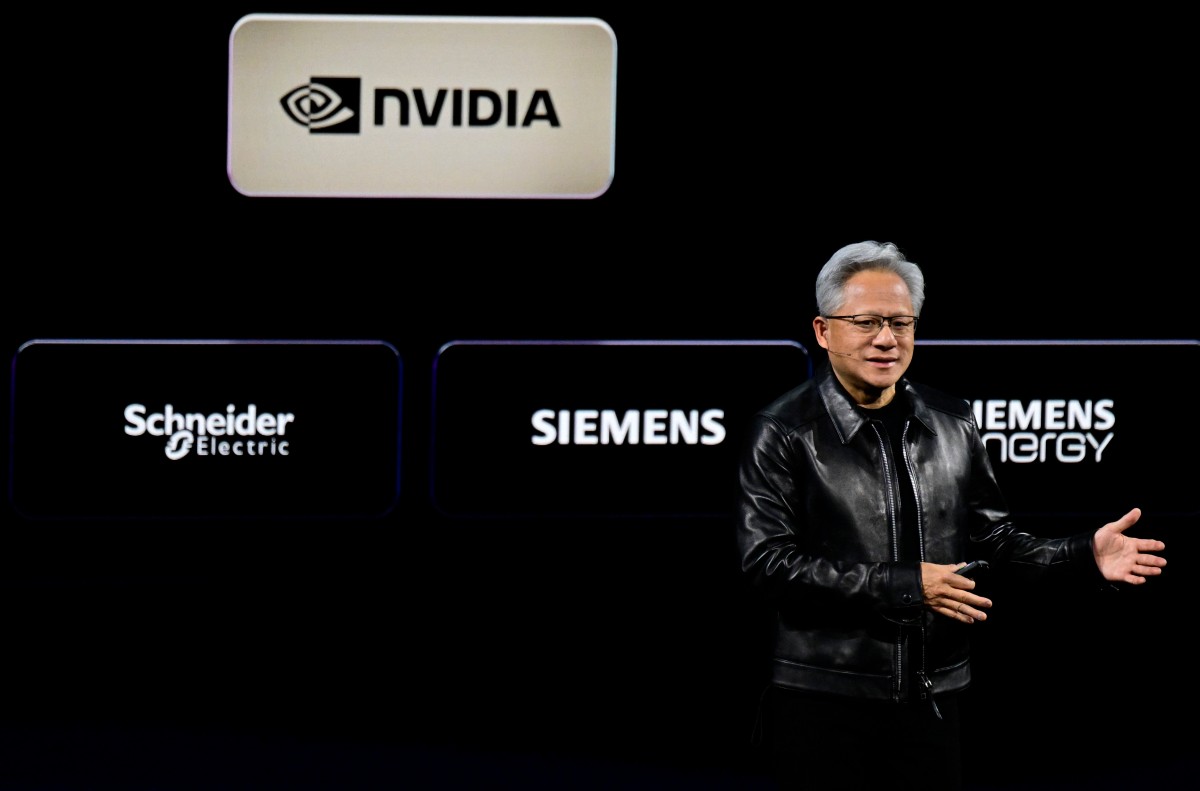
According to multiple media reports, the board of directors at Nvidia convened a meeting late Wednesday to decide on the potential dismissal of CEO Jensen Huang. The company, which is a leading supplier in the global artificial intelligence (AI) chip sector, finds itself embroiled in controversy, with reports indicating that Huang is involved in multiple extramarital affairs, one of which raises suspicions of connections to Chinese espionage.
Nvidia has not provided a comment regarding the board’s meeting.
This meeting reflects a significant shift in the situation. Just this past Sunday, Nvidia’s board expressed strong confidence in Huang and his leadership team. Under Nvidia’s corporate bylaws, the board can remove Huang “with or without cause” through a simple majority vote. There are 11 members on Nvidia’s board, most of whom are independent directors, aside from Huang.
The Wall Street Journal was the first to report that Nvidia is preparing to terminate Huang.
Bloomberg reported that the Nvidia board is currently collaborating with an external agency to identify potential successors for Huang. Sources indicate that the board is contemplating appointing an interim CEO while formally searching for a successor. Due to the sensitive nature of the information, these individuals requested to remain anonymous.
Since last Sunday, the Nvidia board has been facing a crisis concerning succession. At that time, Huang acknowledged his involvement in an extramarital affair, with reports indicating that the individual in question is Alice Huang, a Chinese citizen who was a senior executive at Megaspeed—a significant client for Nvidia in Southeast Asia. Further media disclosures raised concerns that Alice Huang may have acted as an agent for the Chinese government.
On Wednesday evening, the crisis escalated further, with The New York Times citing insiders who reported that Huang has also been involved in an improper relationship with Kimberly Powell, Nvidia’s Vice President of Healthcare. Powell has yet to respond to media requests for comment.
The Nvidia board now finds itself in a difficult position. Huang is the only leader the company has ever known, and under his stewardship, Nvidia’s stock price has surged by over 700,000%.
However, allowing Huang to continue as CEO could expose Nvidia to intense scrutiny from lawmakers, investors, clients, and employees. Concerns are not only centered around whether his relationship with Alice Huang poses a risk to Nvidia’s trade secrets, but also around the ethical implications of his relationships with subordinates who report directly to him. Huang’s connection to the company and its successes is deeply intertwined. His departure would likely have repercussions that extend far beyond company operations.
Reuters reported that Armina Rosenberg, portfolio manager and co-founder of Australian hedge fund Minotaur Capital, noted, “The market has begun factoring in the scenario of ‘losing the founder’ as a possible outcome, rather than just a long-tail risk. Losing Jensen would be a significant blow.”
Should Huang leave, the chip giant—valued at approximately $4 trillion—would experience a leadership vacuum. As a co-founder of the company, he has been instrumental in shaping Nvidia into a leading supplier of core chips for the global AI boom and technology competition between the U.S. and China over the past three decades.
At 63 years old, Huang currently has no clear successor lined up and holds around 3.6% of Nvidia’s stock. Moreover, he has dozens of direct reports, emphasizing his tight grip on the company.
Rosenberg also indicated to Bloomberg that as the board seeks its next leader, Colette Kress, Nvidia’s Chief Financial Officer, is likely a strong candidate for interim CEO.
“Colette Kress would be an ideal temporary CEO. She has been CFO for over ten years and is one of the most capable executives we’ve seen; the market knows and trusts her. The more tricky question is who will lead the technology roadmap moving forward, as Nvidia has never previously developed a succession plan,” Rosenberg stated.
On the predictive market site Polymarket, betting odds shifted dramatically, indicating that there is an 88% chance Huang will resign or be dismissed by the end of the year. Ian Buck, who leads Nvidia’s data center customer business, is seen as a leading candidate for succession.
Bloomberg cited analysts from Yorkville Ives, a financial and commercial analysis firm, suggesting that if Huang ceases to be CEO, the company’s valuation might suffer a 25% drop.
Analysts, including well-known Wall Street technology analyst Dan Ives, wrote in a report, “We believe the stock price should be $300 while Huang remains CEO; if he departs, the price should settle at $225.”
They added that future important considerations will include who will replace Huang, how the strategic roadmap will be laid out during the transition, whether there will be board changes, and how the company plans to respond to U.S. investigations concerning the “Chinese espionage” issue and the flow of Nvidia’s GPU chips into China (via Singapore).
Investors and analysts pointed out that while demand for Nvidia chips is unlikely to decline in the short term, businesses supported by Nvidia—primarily those building data centers and planning to use its chips—may be impacted.
“They are financing customers. In times of such prosperity or bubble, sometimes it just takes a slow down for the situation to rapidly transition into a crashing phase,” Nick Ferres, Chief Investment Officer at Vantage Point Asset Management in Singapore, told Reuters.