
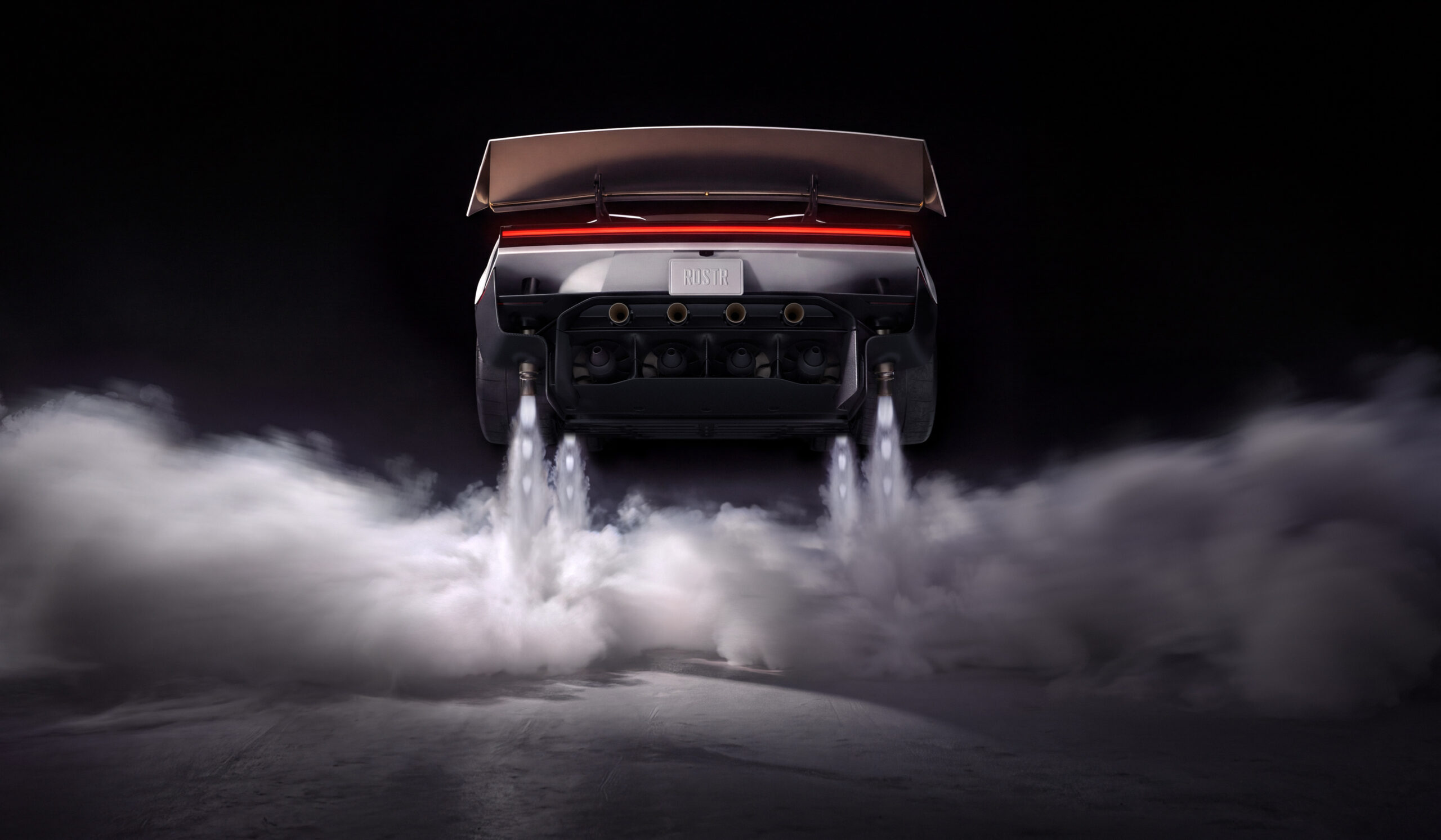
On Thursday, October 15th, Tesla unveiled its dazzling flying car, the “Roadster,” attracting significant attention. However, the practical issue remains – when it comes to vehicles capable of flying, hovering, or defying gravity in other ways, who will be responsible for regulating them? Currently, there is no clear answer.
On Thursday, Tesla and SpaceX CEO Elon Musk introduced the new “Roadster Rocket,” which Musk refers to as a “flying car” equipped with a “high-pressure air tank.” He described it as a result of the collaboration between the “world’s premier car company and the world’s premier rocket company.”
The launch of this car has been delayed for about ten years from the original plan and is expected to begin production in 2028.
Due to technical and regulatory challenges, the highly anticipated field of “flying cars” has yet to truly take off. Tesla’s official website explicitly states that the Roadster flying version is not authorized to drive on public roads. There are also two non-flying versions of the Roadster available for potential buyers to pre-order with a $50,000 deposit online. However, the website indicates that the rocket version with the “full flight system” will only be available for purchase by invitation.
So, who will determine whether the Roadster Rocket version is safe?
The US National Highway Traffic Safety Administration (NHTSA) typically oversees vehicle regulation; however, the agency delegates safety certification to manufacturers.
In response to the new Tesla Roadster, NHTSA stated in a press release, as reported by CBS News: “While this vehicle may appear to defy the laws of physics, manufacturers must ensure it complies with current federal motor vehicle safety standards, and drivers must adhere to all local traffic regulations. NHTSA will continue to monitor developments and will not hesitate to take action to ensure the public’s safety during travel.”
If the Roadster is to enter the public domain and have the capability to “travel” above ground, regulatory authority seems to fall under the jurisdiction of the Federal Aviation Administration (FAA) responsible for aircraft management. However, FAA told CBS News: “Tesla’s vehicle does not meet the definition of an aircraft according to the FAA.”
According to CBS, a senior official at the US Department of Transportation expressed doubts about whether the Roadster could truly take flight and admitted there is currently no clear answer as to which government department would assume regulatory responsibility.
During the Roadster demonstration on Thursday, this stunning and stylish car zoomed out from an upward-bent ramp, causing its body to invert. Throughout the process, it seemed to defy gravity by sticking closely to the ramp’s surface, then soared out from the end of the ramp, flipped 180 degrees in mid-air, and eventually landed smoothly on all four wheels.