
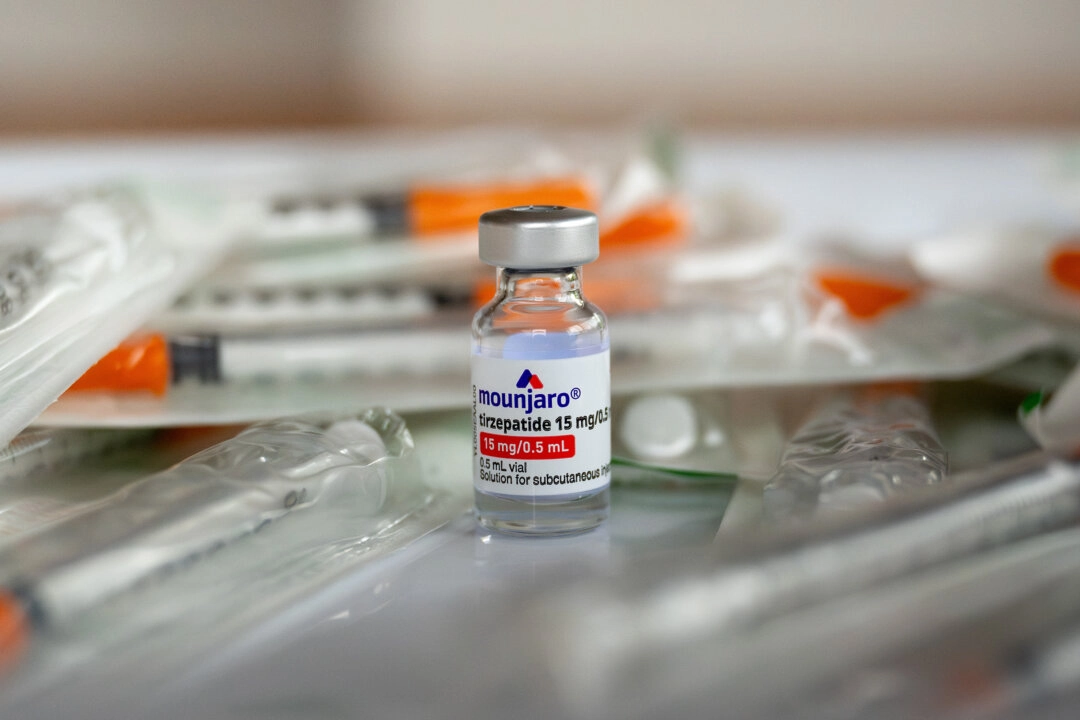
Starting from November 12, South Korea is relaxing its import restrictions on personal medications for treatment. This policy change allows travelers to bring in medications, such as weight loss drugs, that they have legally purchased abroad with a valid prescription. Each individual can carry an amount for up to three months of use.
With the new regulations in place, certain GLP-1 weight loss medications that were previously restricted upon entry, such as “Mounjaro” (known in Taiwan as 猛健樂 and in mainland China as 穆峰達) and “Wegovy” (referred to in Taiwan as 週纖達 and in mainland China as 諾和盈), have now been included as acceptable items.
The Ministry of Food and Drug Safety (MFDS) alongside the Customs Service of South Korea made this announcement on the 11th, emphasizing that individuals who obtain prescriptions through normal local medical procedures and purchase their medications are now permitted to carry these personal treatment drugs—including weight loss medications—when entering the country. As a standard rule, travelers can bring up to six bottles of medication. If someone exceeds this amount but does not surpass a three-month supply, they will still be allowed to enter with those medications.
For instance, regarding the once-weekly injectable “Mounjaro,” travelers may carry up to 12 vials, which equates to roughly a three-month supply. These new regulations are beneficial for those who began their treatments prior to traveling, as well as for foreigners and students using medications abroad, and those who obtain prescriptions during their travels.
However, purchasing medications directly through overseas websites and importing them remains prohibited. Additionally, narcotics and psychoactive drugs continue to be excluded from this easing of restrictions.
The MFDS has stated its intention to continuously monitor the situation following the implementation of these new rules, aiming to improve entry convenience while ensuring medication safety for travelers.
Previously, medications such as “Mounjaro” and “Wegovy” were classified as harmful substances in South Korea, leading to strict controls on personal imports and, in some cases, resulted in the seizure of legally prescribed medications at customs. This recent adjustment seeks to resolve the issues related to the obstructed entry of essential treatment medications.
With these relaxed restrictions in place, there is growing speculation about whether the demand for purchasing medications in Japan will increase. This phenomenon has been referred to by South Korean media as “Sushijaro,” a term that creatively combines “sushi” with “Mounjaro,” indicating the trend of South Koreans traveling to Japan specifically to buy “Mounjaro.”
One of the primary drivers behind this trend is the significant price difference. Reports indicate that “Mounjaro” is available in Japan for approximately one-third of its price in South Korea. Furthermore, the depreciation of the Japanese yen has further reduced the cost for South Koreans making trips to purchase their medications. As a result, many South Koreans are now blending their travel plans with their pharmaceutical needs—some even traveling expressly to Japan to obtain prescriptions.
Data from South Korea’s Customs Service reveal a sharp increase in the number of cases involving the illegal transportation of “Mounjaro” and similar semaglutide weight loss drugs by travelers. In 2025, there were 134 incidents throughout the year, but from January to August 2026, this number surged to 1,097—nearly eight times the amount recorded for the entire previous year.
Originally intended as a treatment for diabetes, “Mounjaro” has gained popularity in South Korea for its appetite-suppressing and weight loss properties. Its usage has increased dramatically in recent years, with individuals who do not meet obesity criteria also beginning to seek out this medication for weight reduction.
In July, AFP cited a report from KOREA WAVE that revealed certain clinics in South Korea were prescribing weight loss drugs after very brief consultations. Investigations showed that some facilities were not accurately measuring patients’ height and weight, allowing individuals with normal or even below-average body weights to obtain prescriptions for obesity treatments like “Mounjaro.”
The Japanese Ministry of Health, Labour and Welfare has warned that using “Mounjaro” outside of its prescribed indications could result in unexpected health risks. When providing prescriptions for foreign travelers, Japanese medical institutions should consider the duration of the patient’s stay in Japan and their medical continuity after returning home to avoid issuing prescriptions that exceed reasonable requirements.