
The head of the Mainland Affairs Council of the Republic of China, Chiu Chui-Cheng, has highlighted significant challenges facing the Chinese economy, including insufficient domestic demand and the impact of sanctions imposed by Western nations. This situation has escalated economic risks to a national security level, thereby placing Taiwanese businessmen operating in China at dual political and economic risks. Chiu urged Taiwanese investors and expatriates to remain vigilant regarding the investment climate and their personal safety in mainland China.
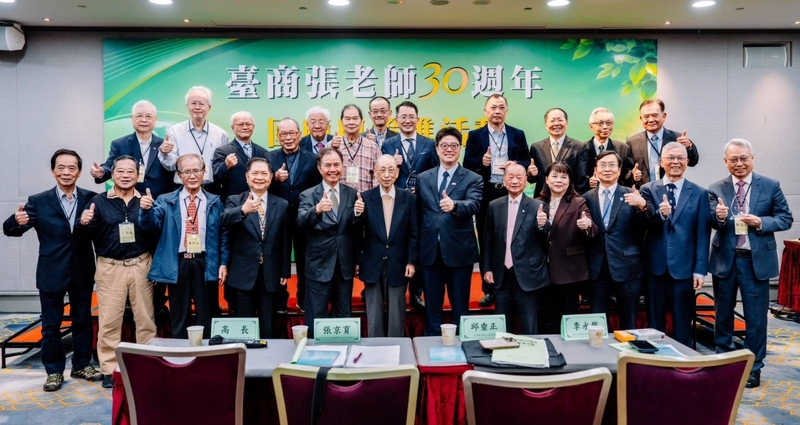
During a speech on November 10 at the “30th Anniversary Reflection and Advancement Event for Taiwanese Businesses,” Chiu noted that the “Taiwanese Business Teacher” initiative has been active since April 24, 1996, marking three decades of service. Over these years, the cross-strait economic environment has undergone numerous transformations. Taiwanese businesses have evolved from tentative investments and factory setups in China to global strategic positioning, market diversification, and industrial transformation.
The Mainland Affairs Council stated that the “Taiwanese Business Teacher” team comprises professionals from academia, business, law, taxation, industry, and management. This diverse assembly brings together the academic rigor of university professors, the practical insights of business leaders, and the rich experience of seasoned consultants.
Throughout its 30-year history, the “Taiwanese Business Teacher” initiative has addressed 11,672 consultation cases, hosted over 30 local service groups, organized more than 40 seminars and forums, published 326 editions of regular publications, and released 32 specialized books.
Chiu emphasized that any piece of advice or consultation provided by the “Taiwanese Business Teacher” could significantly aid Taiwanese businesses in legally minimizing taxes, lowering tax risks, avoiding unnecessary detours, and even altering the trajectory of corporate development.
He pointed out that the Chinese economy is facing structural adjustment pressures that result in insufficient domestic demand, supply-demand imbalances, and a period of low consumer spending, which has triggered “involution”-style price competition. Many Taiwanese enterprises are currently at a crossroads regarding transformation, strategic realignment, and decisions about whether to remain in China or pull out. Additionally, in response to technological sanctions from the United States and the European Union, China has elevated economic and non-economic risks to a level of national security, which complicates the operating environment for Taiwanese businesses.
Chiu expressed gratitude for the timely professional opinions provided by the “Taiwanese Business Teacher” team, which incorporate the latest developments in the situation, including regulations related to supply chain security and foreign investment from the State Council. He stressed that moving forward, the “Taiwanese Business Teacher” initiative must continuously remind Taiwanese businesses and expatriates to be attentive to the political and economic environment in mainland China and the associated personal safety risks they might face.