
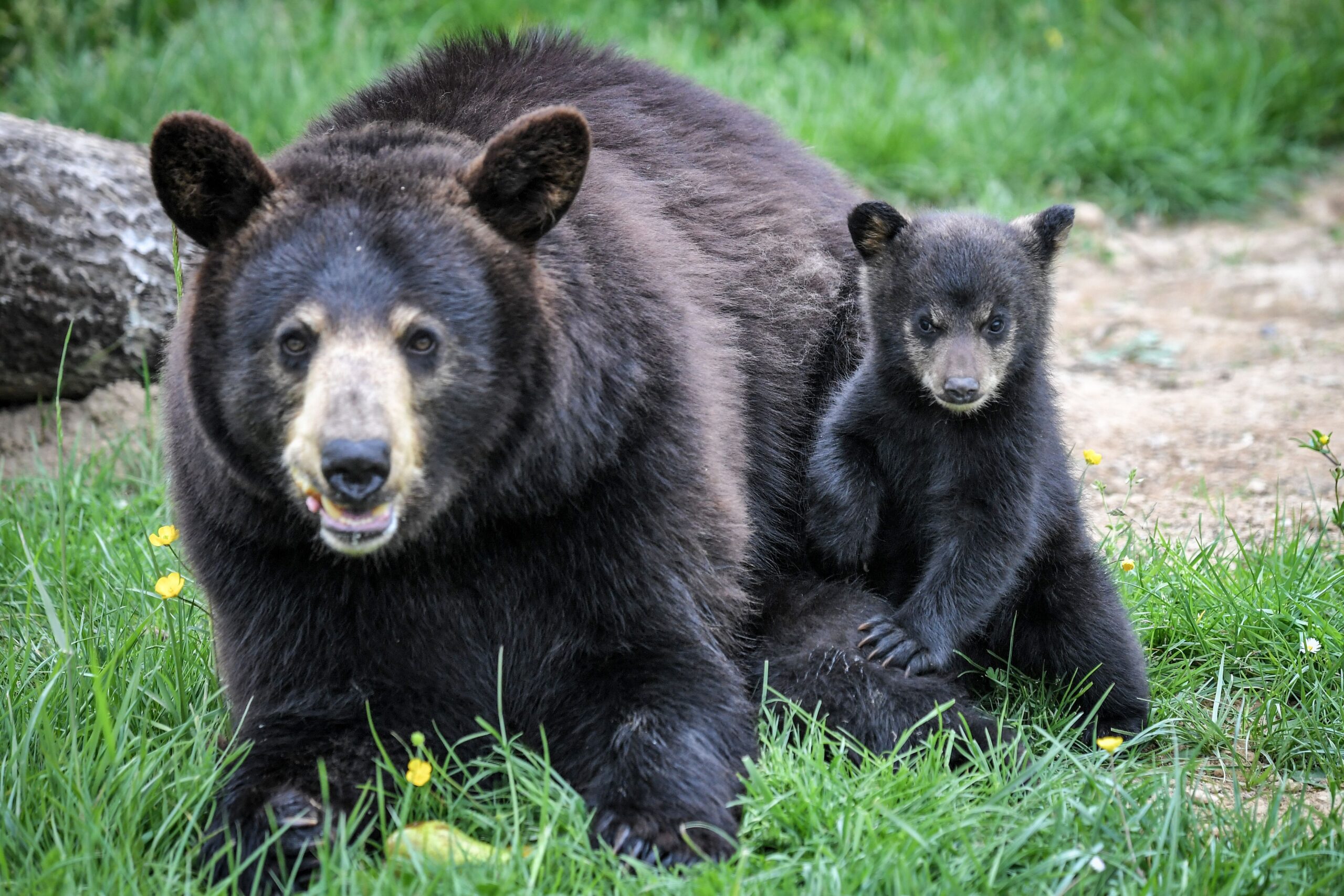
A recent tragic incident in British Columbia has garnered significant attention following the confirmation that four grizzly bears, responsible for the deaths of a mother and daughter, have been captured and subsequently euthanized to protect public safety.
On November 10, officials from the British Columbia Conservation Officer Service announced that DNA tests conclusively linked a female grizzly bear and her three approximately one-year-old cubs to the tragic deaths of 48-year-old Jenny Balcarras and her 20-year-old daughter, Selah Reed.
In an online briefing, Conservation Officer Inspector Jeff Tyre stated that, given the need to ensure public safety, the mother bear and her three cubs were euthanized over the weekend in accordance with provincial protocols for managing human-wildlife conflicts.
Tyre further elaborated that this incident likely involved extremely rare predatory behavior. The fall season marks a time when grizzly bears are in the process of accumulating fat reserves for hibernation, often resulting in heightened foraging instincts and aggression. Officials emphasized that bears involved in lethal predatory attacks cannot be safely relocated or rehabilitated due to the inherent risks.
Regarding the events leading up to the incident, Tyre noted, “We know how this incident ended, but we don’t know how it started.” He mentioned that while the aggressive bear had not yet been captured at that time, DNA samples had been taken, and new traps were set in the hopes of capturing the bear to determine if it was the same one involved in a previous attack the year prior.
The remains of Balcarras and Reed were discovered on a small road near Bella Coola, a remote community located about 1,000 kilometers (620 miles) north of Vancouver. The two bodies were found approximately 150 meters (490 feet) apart, prompting concerns among local residents.
Matt, the brother of victim Jenny Balcarras, shared memories of his sister, describing her as an art therapist who had moved to Bella Coola during the summer after living in Alaska, where Selah was born. He characterized Jenny as petite yet strong-willed, having built a life through hard work as a single mother. He emphasized that she was accustomed to living in close proximity to wildlife, acknowledging that both she and her daughter were well aware of the dangers present in the wilderness they inhabited.
On the evening of October 31, concern arose when Reed failed to make her regular phone call to her aunt’s home. Family members quickly reported their worries to the authorities. Subsequently, on November 3, rescue teams first discovered Jenny’s remains and later located Selah’s remains in a bear’s food cache.
Tyre clarified that the four bears involved in the recent attack were not linked to another grizzly bear attack in the same area that occurred last November. In that earlier incident, which took place only about three to four kilometers from the latest location, a group of elementary school staff and students were attacked, resulting in injuries to eleven individuals, two of whom were severely hurt.
The bear responsible for last year’s attack has yet to be located.
This latest attack has shaken the local Nuxalk Nation community, which had already endured trauma and painful memories from the previous year’s bear attack. Local authorities have implemented a voluntary curfew, with police escorting children to and from school. Chief Tlhmtimut Samuel Schooner expressed his sorrow over the situation, stating, “Our community is still recovering from last year’s attack, and this new incident is undoubtedly a further blow.”
Tyre conveyed his condolences, noting, “This incident is heartbreaking for the families of the victims, the Nuxalk Nation, and the Bella Coola community. We hope that the efforts of all rescue personnel and the results of this investigation can provide some degree of solace.”
With the involved bears now removed from the area, the community’s curfew has been lifted, though nighttime patrols will continue for some time to maintain peace of mind among residents.
According to estimates from the Ministry of Environment, Lands and Parks in British Columbia, the province is home to approximately 10,000 to 13,000 grizzly bears, a species classified as vulnerable. Officials have pointed out that conflicts between grizzly bears and humans are relatively rare, occurring mainly in situations where bears feel threatened or are protecting their cubs or food sources. Nonetheless, there have been several recent incidents of bear attacks in the province, raising concerns about wildlife management and public safety.