
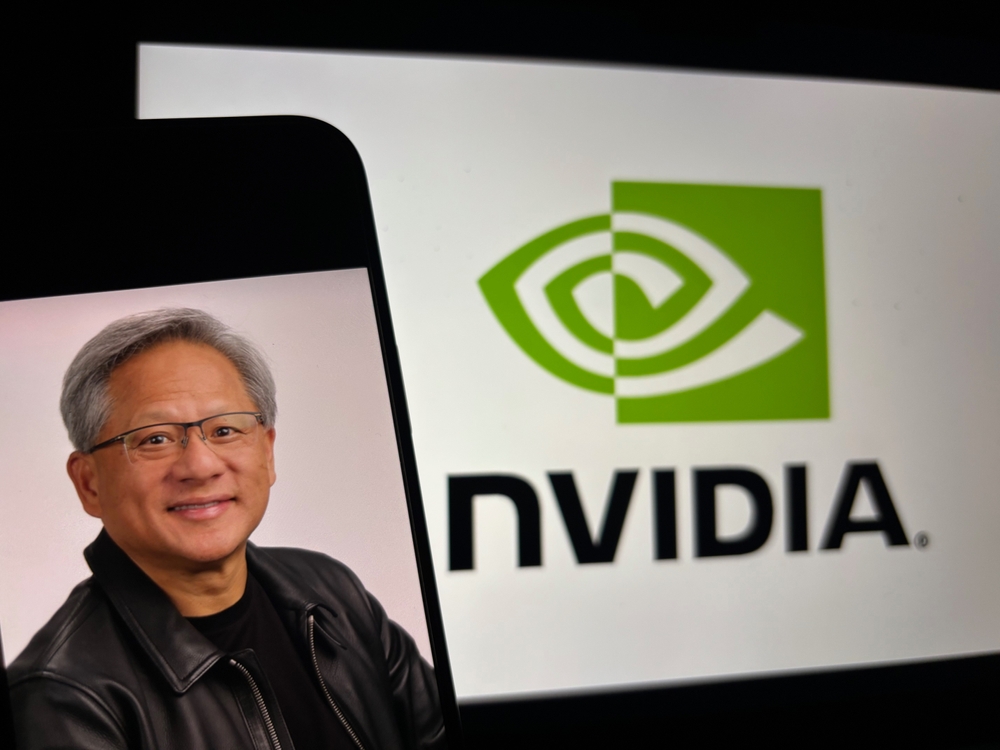
The recent revelation of an extramarital affair between Jensen Huang, the CEO of Nvidia, and Chinese businesswoman Alice Huang has shed light on the ongoing issue of espionage infiltration that has plagued Silicon Valley for years. This incident has reignited concerns regarding the connections between foreign intelligence agencies and individuals in the tech industry, particularly given Alice Huang’s alleged ties to Chinese intelligence.
According to a former FBI agent, Chinese intelligence agencies have been actively monitoring Silicon Valley’s cutting-edge technology for decades. There have been allegations that executives from certain tech companies attempted to smuggle confidential information to Beijing. However, these cases often end without criminal charges as companies refuse to cooperate with investigations, fearing damage to their reputations and stock prices.
A report from The Washington Post highlights insights from several former FBI officials and intelligence experts, indicating that Chinese intelligence has systematically infiltrated Silicon Valley companies to gain access to sensitive technologies. Many companies hesitate to assist in criminal investigations due to fears of adversely impacting their image or financial standing, which has led to potential perpetrators escaping prosecution.
As far back as the late 1980s, the FBI’s San Francisco office uncovered a tech executive suspected of conducting intelligence activities on behalf of Chinese agencies. This particular company was involved in classified research with military applications at the time.
Former FBI counterintelligence agent LaRae Quy recalls that investigators went to great lengths, including secret surveillance and phone tapping of the suspect, while attempting to gain cooperation from the company’s CEO. Ultimately, the FBI apprehended the suspect just as he was preparing to fly from San Francisco to Beijing, discovering that he was carrying a computer disk with confidential research data.
However, the implicated company chose not to support a criminal prosecution due to concerns about the case becoming public and negatively affecting its business. Consequently, federal officials decided not to pursue further action. Quy stated that companies often prefer to endure the losses associated with technology leaks rather than risk damage to their reputation or falling stock prices.
Chinese intelligence activities targeting Silicon Valley are not limited to the theft of trade secrets; they also involve gaining close relationships with executives who hold key technologies and decision-making power.
Ryan Fedasiuk, a researcher at the American Enterprise Institute, notes that the U.S. tech industry, particularly in hardware sectors like Nvidia, presents a high level of interest for Chinese intelligence. Despite companies implementing stringent security measures, the personal relationships of executives can still introduce significant intelligence risks.
Dennis Wilder, a former CIA analyst focusing on China, indicated that establishing romantic or sexual relationships to approach intelligence targets is a tactic often employed by Chinese intelligence.
Recent reports from the American news site Axios reinforce that, alongside cyberattacks and insider theft, Chinese intelligence may also create personal connections with executives at tech firms that handle sensitive technologies.
In recent years, the artificial intelligence field in Silicon Valley has become a target for economic espionage. For instance, on January 29 of this year, a federal jury in San Francisco convicted former Google software engineer Linwei Ding on seven counts of economic espionage and seven counts of theft of trade secrets.
Evidence presented by the U.S. Department of Justice revealed that Ding unlawfully extracted over 2,000 pages of confidential information from Google’s internal network and uploaded them to a personal cloud account. This stolen information pertained to the hardware architecture, specialized chips, and software platforms of Google’s AI supercomputers, including systems technology used for training large AI models.
While at Google, Ding secretly established contacts with two Chinese tech firms and indicated to potential investors that he could replicate and modify Google’s technology to create his own AI supercomputers. He also applied for a talent program supported by the Chinese government in Shanghai.
The court evidence demonstrated that Ding attempted to leverage the stolen technology to assist two entities controlled by the Chinese government in developing AI supercomputers and machine learning chips. The FBI noted that this case marks the first conviction for economic espionage involving AI technology in the U.S.
The latest point of scrutiny is the personal relationship between Nvidia’s Jensen Huang and Alice Huang. U.S. media reports suggest that Alice Huang may have been recruited by China’s Ministry of State Security. She previously served as an executive at Megaspeed, a chip procurement firm for Nvidia, which is under investigation by Singaporean authorities regarding whether restricted advanced chips were being rerouted to China.
In response, Nvidia’s board of directors has initiated an independent investigation into the matter, asserting that there is currently no evidence to suggest that the company’s secrets or national security have been compromised.