
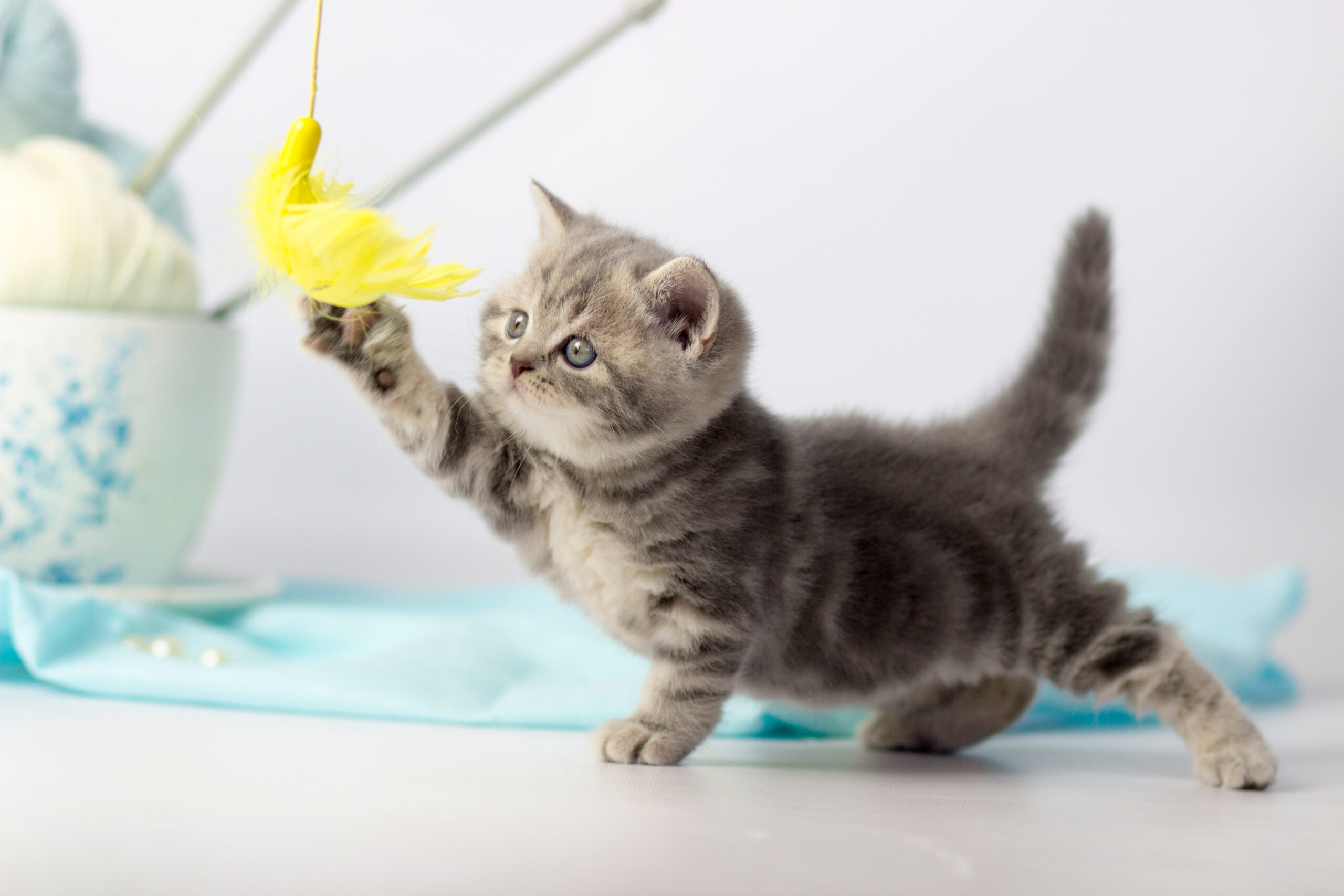
In the hardware store “Shoppers True Value” located in Maine, USA, there is an “employee” named Daniel. He sleeps during work hours, scatters food around, and often leaves a mess for his colleagues to clean up. However, the store owner is very tolerant of his mischievous behavior. Why is that?
According to a report from The Wall Street Journal, the owners of this hardware store are father-daughter duo Thomas Simpson and Jessica Simpson. Many customers make a special trip to their store in South Portland, Maine just to meet the celebrity cat Daniel. And while there, customers often end up buying something as well.
Daniel’s ability to attract fans is so strong that the store even launched merchandise themed around him, including stickers that say, “I love taking a stroll to the hardware store to meet Daniel. It’s a romantic walk.”
Many hardware store owners initially keep one or two cats in their stores to prevent mice from stealing birdseed or grass seeds. However, they gradually discovered that these cats serve a much more significant purpose than just catching mice. Customers (and their children) form emotional connections with these cats; they become beloved “permanent guests” in the stores, attracting people to keep coming back.
Lauren Springer, the manager of “Shoppers True Value” hardware store, introduced the two cats in the store: one named Daniel (wearing a bow tie), and the other an orange cat called “Bigfoot” (wearing a tie). She said, “People come from all over the world just to see them.”
In 2023, Springer posted a humorous video on TikTok, declaring Daniel as the “Employee of the Month.” The animal lover website “The Dodo” shared this video on multiple platforms, with close to 67,000 views on Instagram. Since then, Springer has increased marketing efforts on Facebook, Instagram, and TikTok.
“We are indeed working hard to attract a younger audience,” said Springer. “And the results are evident from our sales figures.”
There are also examples of hardware stores in other parts of the United States using cats to boost marketing efforts.
Amy Kaplanis, the owner of “Country Ace Hardware” in Granby, Colorado, believes that the cats in her store help create a sense of community.
“The cats make the hardware store more ‘homely’,” she said. “We want this place to be more than just a shopping destination. People come here, they might meet friends they haven’t seen in a while, gather to chat, watch the cats, and interact with each other.”
Kaplanis mentioned that because of these cats, customers tend to stay longer in the store. “Some people come in just to see the cats, and while watching them, they often end up buying something.”
One of the cats in her store is named “Morris,” who is very popular and has been awarded the title of “Best Store Cat” in Grand County.
The chain hardware store “Aubuchon Ace Hardware” is not only known for its hardware products but also for its resident cats. As one of the oldest family-owned hardware chains in the United States, Aubuchon has nearly 150 stores across the country, with most of them housing at least one cat.
“At first, cats were kept to control pests,” said Ben Aubuchon, the company’s marketing manager and the founder’s great-grandson. “Now, we admit that cats are kept more for building connections with the community. The cats in our stores are like local ‘celebrities’.”
It’s challenging to quantify the actual revenue that “hardware store cats” bring to the stores through social media. However, a study published in the Journal of Advertising Research last year found that consumers are more willing to buy products promoted by “petfluencers” on social media than those promoted by humans.
Laura Lavertu, associate professor of marketing at Grenoble School of Management in France and the lead author of the study, stated that in audience feedback, participants believed animals had no “hidden agenda,” making them appear more genuine and sincere.
While the study focused on the impact of “petfluencers” in fictional advertisements, she speculates that “hardware store cats” could elicit similar responses, especially considering that customers can interact with them face-to-face.