
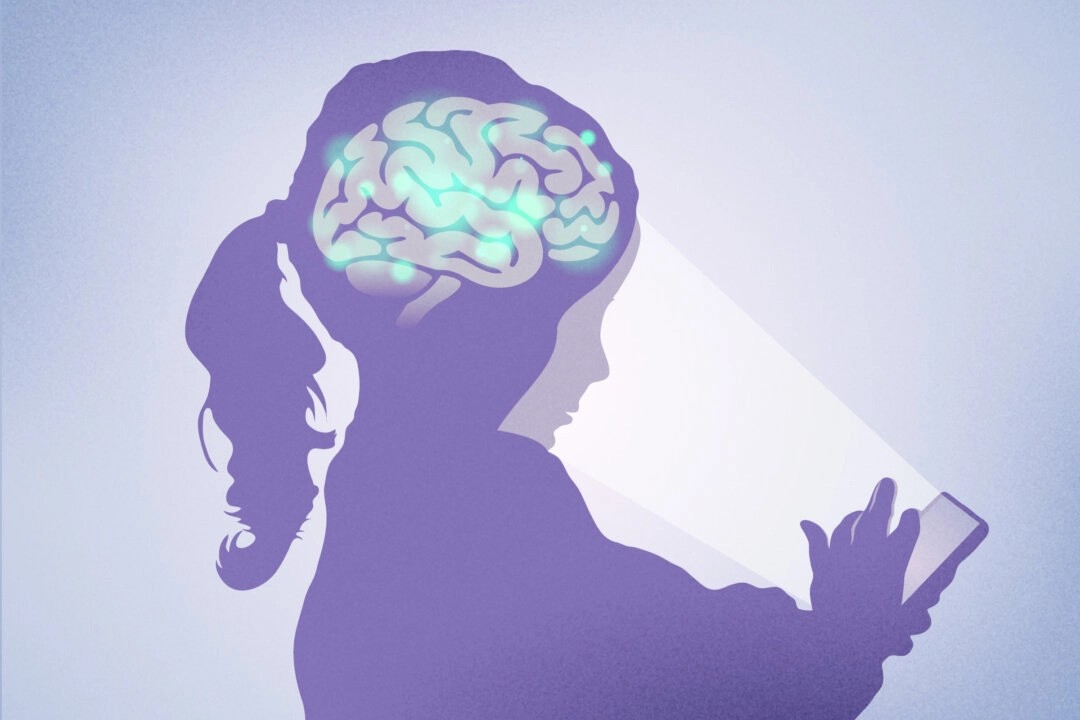
Is binge-watching short dramas really making people stupid? Recently, the hashtag “Short Drama Diminishes Intelligence” suddenly trended as the number one topic on Weibo. Many netizens complained that the more they watched these short dramas, the more addicted they became, and their brains felt less and less like functioning.
Some netizens mentioned that they initially just wanted to relax by watching a short drama, but ended up unable to stop, losing interest in reading books, exercising, and other activities.
Others who had plans to learn English, edit videos, or exercise found themselves constantly watching short dramas whenever they had free time. They felt as if their brains were becoming “dumber” and decided to uninstall the apps immediately.
In the comment section, many shared similar sentiments. Some mentioned their deteriorating focus, while others referred to short dramas as “electronic opium” or “a new form of electronic drug”.
Some internet users even shared their screen time records, revealing that they were spending over 10 hours a day just watching these short dramas. With plot twists one after another, coupled with autoplay and algorithm recommendations, finishing one episode only made them eager to watch the next.
Apart from the addiction, many also criticized the repetitive and unoriginal storylines in these short dramas. They argued that most of them seemed to be crafted from the same mold, with 8 out of 10 shows appearing nearly identical.
Concerns were also raised about the potential impacts of these short dramas, not only on adults but also on children. The excessive screen time and late-night binge-watching could not only affect adults’ cognitive functions but could have an even greater impact on the developing minds of children, leaving them with little time for critical thinking.
So, does binge-watching short dramas really have an impact on the brain?
A study conducted by the University of Bristol’s School of Psychological Science in the UK found that the nature of constantly switching content during viewing could impair prospective memory (the ability to remember intentions to perform tasks). This paper was published in the renowned international psychology journal “Memory” in 2025.
Researchers at the Sigmund Freud Private University in Austria also discovered cognitive abnormalities among participants who watched over 4 hours of short videos daily. The study, published in the academic journal “Life” in 2024, showed abnormal neural activities and cognitive functions in these individuals.
A team of researchers led by Professor Hu Yuzheng at Zhejiang University conducted a neuroscience study, scanning 56 healthy young adults with an average age of around 23 using functional magnetic resonance imaging (fMRI) and magnetic resonance spectroscopy (H-MRS) while they watched a series of short films.
The results showed that when participants scrolled away from the video before watching it in full, two regions of the brain associated with executive cognitive tasks were more active compared to when they completed watching the entire film. This study was published in the “NeuroImage” journal in July 2026.
Dr. Zou Ying, a psychologist from the Second Hospital of Zhejiang Chinese Medical University, told “China Blue News” that the intense plot twists and cliffhangers in short dramas continuously stimulate dopamine production, keeping the brain in a state of passive excitement and overloaded operation, leading to mental fatigue and affecting focus and comprehension abilities.
She explained that during binge-watching short dramas, the brain is not actually resting; it is simply switching to another work mode. Depletion of dopamine reserves can result in difficulties concentrating and slower processing speeds.