
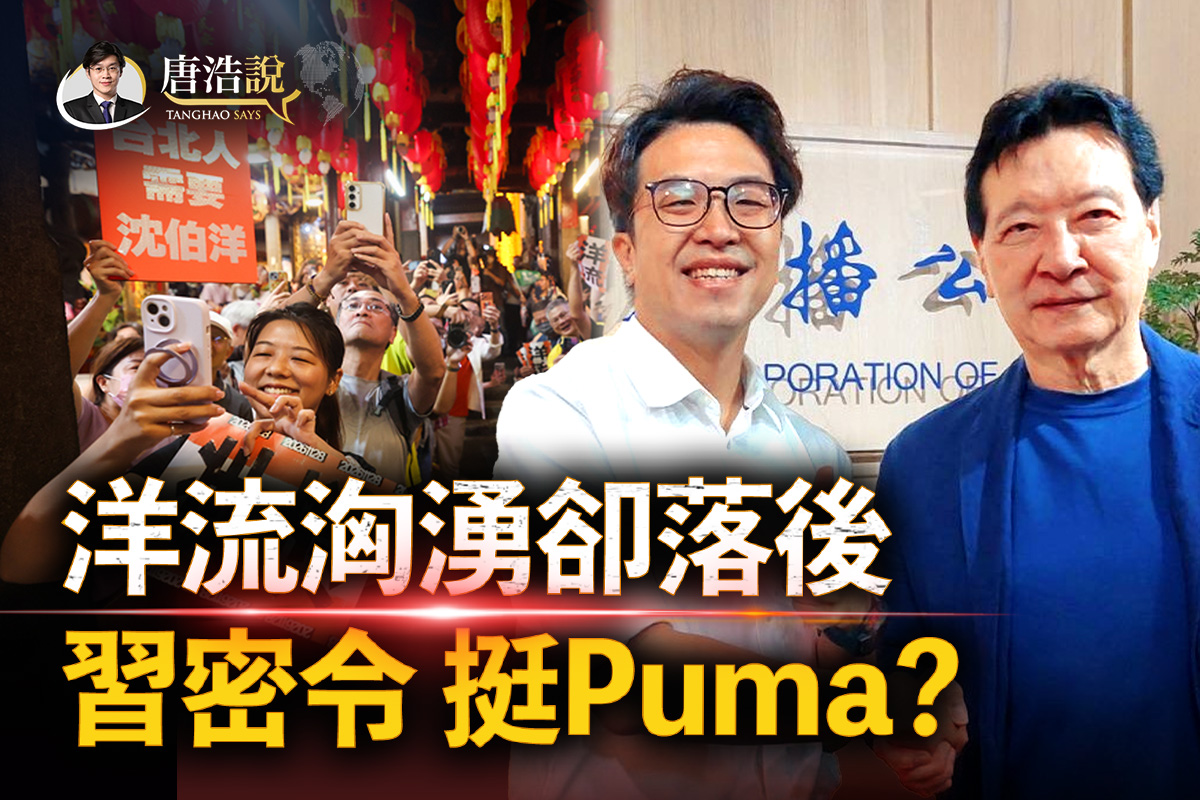
Today’s focus: Taipei mayoral candidate Shen Boyang confronted well-known Taiwanese media figure Zhao Shaokang in an interview once again. Who emerged as the ultimate winner? What hidden messages were revealed in this interview? Shen’s momentum is striking, but the Democratic Progressive Party warns that he is still trailing in the elections. The mayoral race in Taipei is tight, as Xi Jinping surprisingly ordered to “support” Shen Boyang. The Chinese Communist Party is starting to meddle in Taiwan’s “nine-in-one elections,” but could this move backfire and lead to significant losses for them?
This interview between the two prominent figures has attracted widespread attention, stirring up discussions on the future political landscape of Taipei. Shen’s assertive stance and Zhao’s probing questions created a heated exchange that left the audience intrigued.
One cannot overlook the implications of external influences on the Taipei mayoral race. As the tension mounts, the involvement of different political forces adds complexity to an already intricate electoral atmosphere. Shen’s candidacy, backed by a seemingly growing momentum, is juxtaposed against warnings of a potential lag in the polls, highlighting the uncertainty surrounding the upcoming election.
Xi Jinping’s unexpected directive to support Shen Boyang has stirred controversy, raising questions about the motives behind this move. The Taipei mayoral race, which was initially seen as a local affair, has now attracted international attention due to these external interventions.
Amidst these developments, concerns about the integrity of Taiwan’s democratic process have been voiced, with implications of foreign interference raising alarms among the public. The intersection of local politics with broader geopolitical dynamics has cast a spotlight on the complexities underlying Taiwan’s electoral landscape.
As the election day draws near, the fate of Taipei hangs in the balance, influenced by a myriad of factors ranging from local dynamics to international pressures. Shen’s candidacy symbolizes not only a potential shift in Taipei’s leadership but also reflects broader trends in the evolving political climate of Taiwan.
In a rapidly changing electoral environment, where local politics intersect with global geopolitics, the outcome of the Taipei mayoral race remains uncertain. The clash of perspectives between Shen Boyang and Zhao Shaokang serves as a microcosm of the larger power dynamics at play, underscoring the intricate web of relationships that define Taiwan’s political landscape.
The nuances embedded in this interview between Shen and Zhao hint at the complexities and challenges facing Taipei’s electoral process. As the candidates navigate through a competitive and unpredictable race, the ultimate victor in the Taipei mayoral election will not only shape the city’s future but also resonate with broader implications for Taiwan’s political trajectory.