
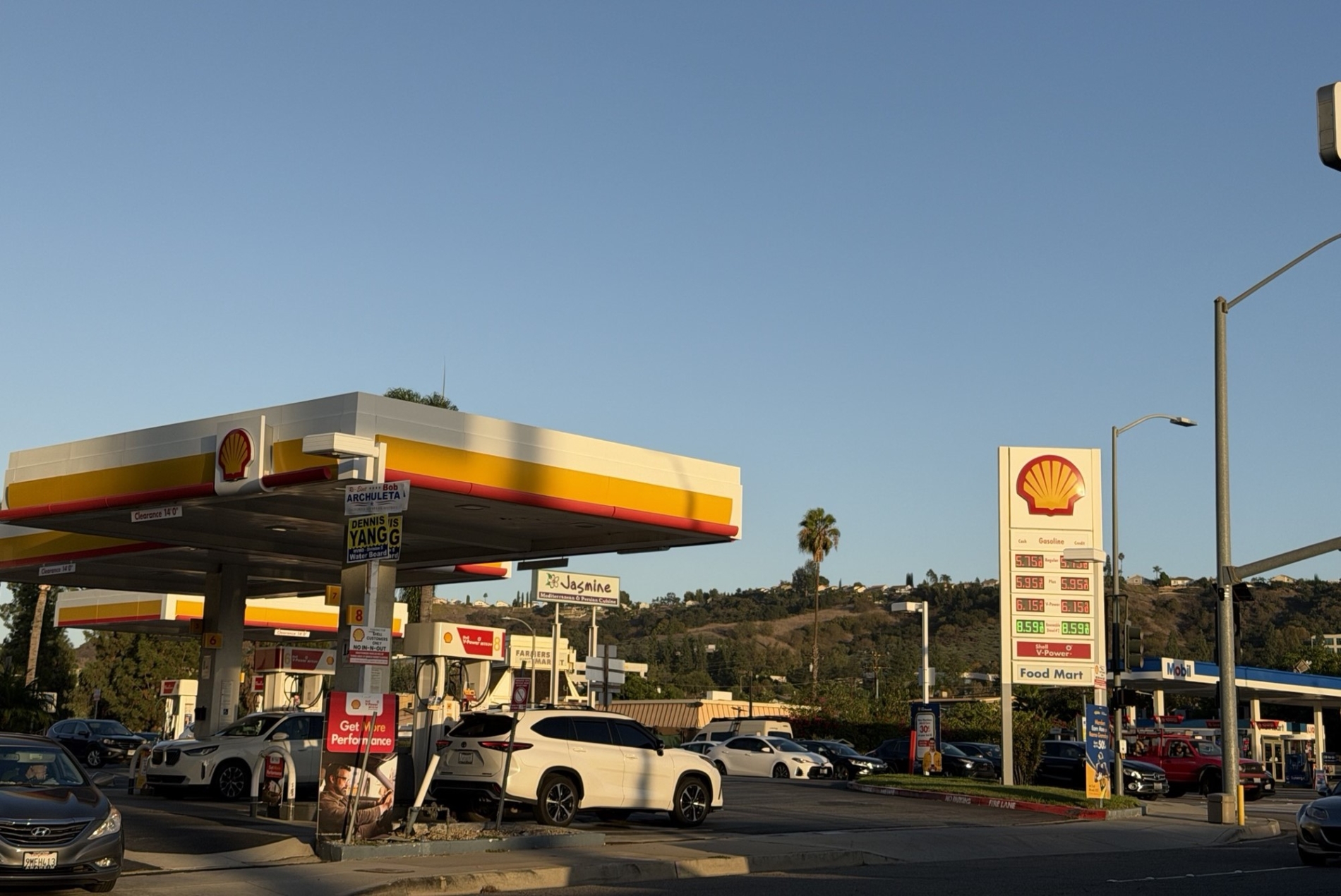
According to the American Automobile Association (AAA), the average price of gasoline at U.S. gas stations as of November 10, 2026, stands at $3.98 per gallon. This figure marks a notable decrease from earlier in the year, when the price was as high as $4.56 per gallon. Patrick De Haan, an oil industry expert at the fuel tracking firm GasBuddy, indicates that fuel prices are expected to continue their downward trend during the Thanksgiving holiday period, possibly reaching around $3.75 per gallon.
Multiple reports, including findings from AAA and GasBuddy, have identified several key factors contributing to the recent decline in fuel prices.
Firstly, a significant factor is the drop in international crude oil prices. Following a recent surge, the price of international Brent crude oil has fallen, with futures trading at $91.12 per barrel as of Tuesday morning. The market sentiment has shifted to a more optimistic outlook regarding the potential for a diplomatic resolution to the ongoing U.S.-Iran conflict, leading to expectations of a recovery in Middle Eastern oil supplies and a decreased risk of supply disruptions.
Secondly, the transition from summer to winter gasoline formulations has played a role. In the U.S., gasoline is differentiated between summer and winter blends. During the summer, higher temperatures can cause gasoline to evaporate excessively, leading to smog and ozone formation. Environmental regulations necessitate reduced volatility during this period to prevent “fuel lock,” which can cause fuel waste in pipelines. The process of refining summer gasoline is more complex, coupled with higher demand during warmer months, which typically makes prices higher. In contrast, winter gasoline, which includes less expensive components like butane, has a lower production cost, resulting in decreased prices.
Federal regulations stipulate that gas stations must sell summer gasoline from June 1 to September 15. Outside of this timeframe, stations are allowed to switch to the less expensive winter gasoline.
Additionally, the demand for driving decreases during the colder months. As the weather cools down, long-distance travel tends to decline, and seasonal fuel usage for boats, RVs, and other vehicles diminishes. According to AAA, this seasonal shift translates to a reduction in overall driving mileage, leading to winter gasoline prices dropping by approximately 10 to 30 cents per gallon.
Lastly, there are signs of an increase in U.S. gasoline inventories. Previously, gasoline stocks were below seasonal norms, but recent data indicates a rebound. An uptick in supply can ease price pressures in both the refining and wholesale markets.
It is essential to note that while gasoline prices have fallen to $3.98 per gallon—slipping below the $4 mark—they are still significantly higher than the approximately $3.07 per gallon reported at the same time last year. This means that American consumers have not yet seen a true return to normalcy concerning gasoline expenses.