
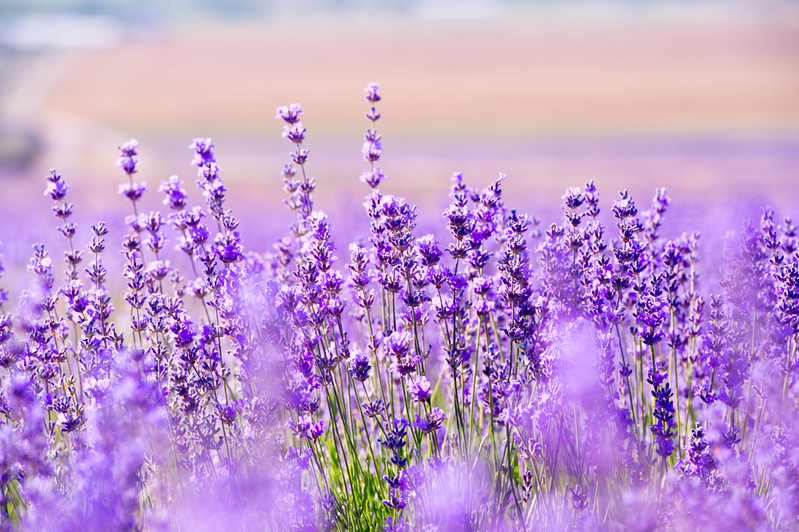
Companion planting is a planting strategy that utilizes the characteristics of plants to complement each other, allowing different plants grown together to thrive better. Experts say that when lavender, a commonly seen plant valued for its aesthetics, is paired with four types of flowers, they not only grow well together but also bloom for several years.
Lavender is a perennial herbaceous plant known for its fragrant purple flowers. These flowers attract beneficial insects and pollinators, making it a beloved plant in gardens. Lavender thrives in warm, well-drained, and sunny environments. When planted alongside other common flowers, it can perform even better.
American gardening expert and influencer Stacy Ling has years of experience in growing lavender. In a recent YouTube video, she pointed out that when lavender is planted with appropriate companion plants, it achieves optimal growth and visual appeal.
Therefore, if you’ve ever grown lavender on its own and wondered why it only looks good for a few weeks each year, it’s because it needs companion plants to accompany it.
Ling mentioned that in her own garden, she pairs these plants with lavender to “extend the blooming period, promote healthy plant growth, and create a more aesthetically pleasing garden landscape.”
She emphasized that companion planting not only enhances the garden’s appearance but also ensures that the plants have suitable growing conditions such as improving ventilation, attracting pollinators, reducing maintenance work, and keeping the garden visually pleasing even after the blooming season.
She cautioned that one of the “biggest mistakes” gardening enthusiasts make when planting lavender is pairing it with plants that require fertile soil, frequent watering, or shade, as these environmental factors may lead to the death of lavender plants.
Here are four types of flowers that are suitable for companion planting with lavender:
Many herbs pair well with lavender, and thyme is an excellent choice. Ling said, “Thyme and lavender are a match made in heaven. They both prefer ample sunlight, well-drained soil, poor soil, and less frequent watering.”
She particularly loves creeping thyme because it can form a “living carpet” around lavender plants, helping to “suppress weeds.” The delicate texture of this plant contrasts beautifully with the upright form of lavender.
When you plant lavender with roses, the advantages of companion planting “truly shine.” “Roses are one of my favorite lavender companion plants. This combination is truly perfect.”
Lavender not only softens the base of rose bushes but also adds fragrance, attracts pollinators, and creates color contrast. This classic combination remains popular and effective.
Bachelor’s buttons are another “excellent companion for lavender.” This easy-to-grow annual plant thrives in full sunlight, attracting pollinators and producing abundant flowers throughout the blooming season.
She said, “I especially enjoy pairing them with lavender because when the first wave of lavender blooms begins to fade, the bachelor’s buttons come into full bloom, keeping the garden colorful for several months.”
One of the most famous varieties of bachelor’s buttons is catmint, which complements lavender with its leaf texture and harmonious flower colors. Once established, both plants are heat and drought tolerant.
“If I had to choose a perennial plant that pairs perfectly with lavender, it would be catmint,” Ling stated.
Additionally, catmint has a long blooming period and requires minimal maintenance. This combination creates the atmosphere of a “soft romantic country cottage garden” that many gardening enthusiasts dream of.
When it comes to lavender, besides its aesthetic appeal, this plant also has various practical uses in daily life such as culinary, tea-making, bathing, spice-making, and insect repellent, among others. In terms of culinary use, lavender can be used for seasoning dishes, making candies, cookies, honey, bread, lemon drinks, salads, desserts, and more, offering versatile applications.