
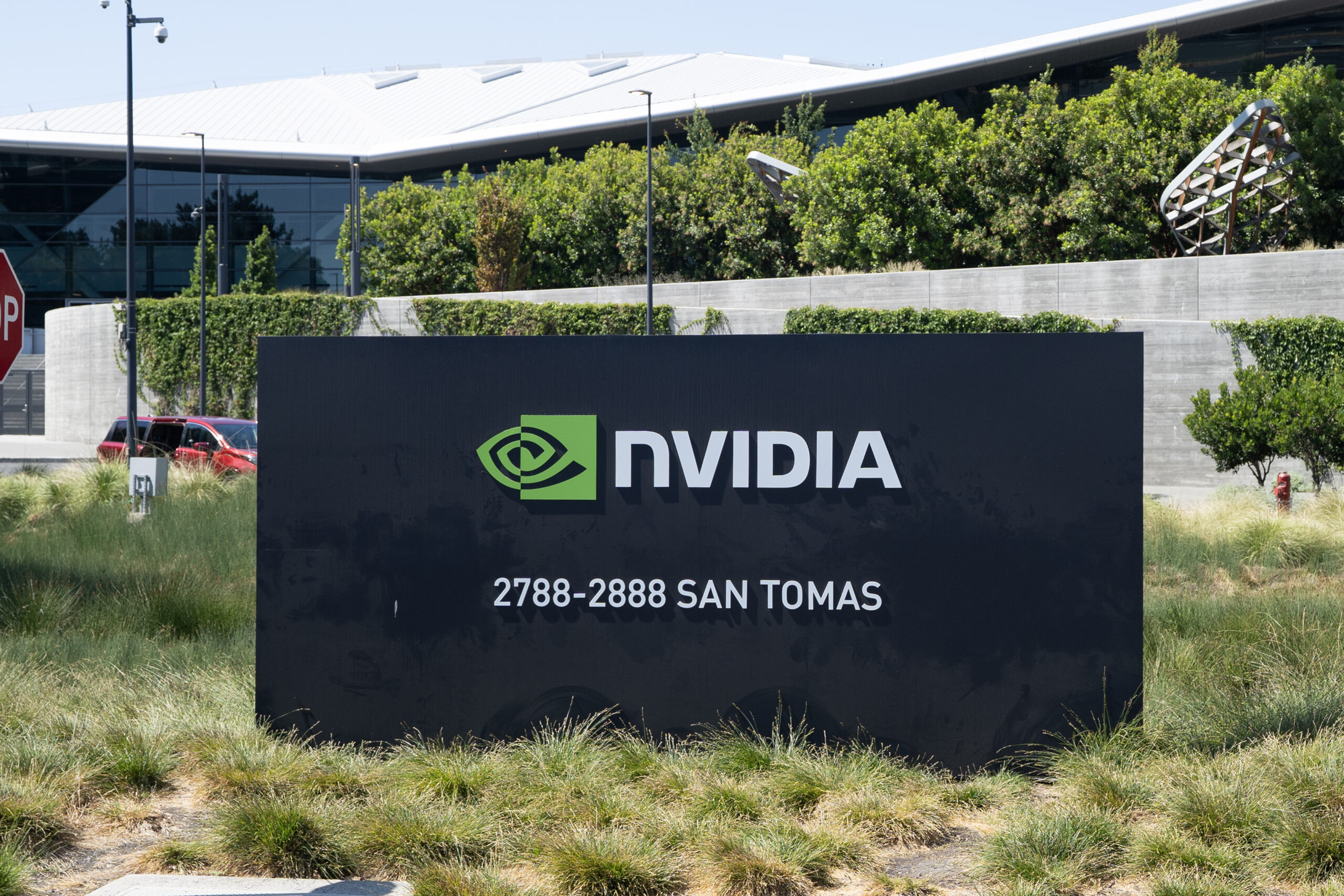
On November 9, a lawsuit was filed against Nvidia and its CEO, Jensen Huang, by shareholders following reports concerning Huang’s alleged extramarital affair with a woman reportedly linked to Chinese intelligence. This revelation caused Nvidia’s stock price to plummet by more than 4%.
The lawsuit alleges that Huang failed to disclose the affair, which artificially inflated the stock price, potentially violating federal securities laws. Additionally, the claims raised concerns about national security, posing a significant risk to the company’s reputation and future business prospects.
On the day the stock dropped, Nvidia, a company valued at $4.3 trillion, saw its shares decrease by $7.97, resulting in a decline of approximately 4.27%, closing at $178.67. The lawsuit claims that this decline may impact “hundreds or thousands” of shareholders.
The suit, filed by the Rosen Law Firm in a federal court in California, states, “Due to Nvidia and Huang’s misconduct and omissions, along with the sharp decline in the company’s securities market value, the plaintiffs and other class members have suffered substantial losses.”
In a recent admission, Huang acknowledged his infidelity but did not disclose the identity of the individual involved. Media reports, however, have suggested a romantic relationship between him and Alice Huang, an executive from Megaspeed, a company based in Singapore. According to previous reports by the Financial Times, U.S. intelligence has assessed that Alice Huang is an individual directly recruited by the Chinese Ministry of State Security, tasked with gathering information on Jensen Huang to monitor developments in U.S. AI chip technology. The Wall Street Journal also cited sources saying that U.S. officials determined last year that while Alice Huang worked with Megaspeed to help Nvidia build data centers in Asia, she also shared information with the Chinese government.
This lawsuit represents the latest setback for Nvidia and Jensen Huang as their relationship has drawn increased scrutiny from Washington.
The plaintiff, Mark Kistenmacher, an individual investor, conducted seven purchases totaling approximately $20,500 between February and November. The class-action lawsuit covers all investors who bought Nvidia securities between October 9, 2025, and November 8, 2026, with the defendants being Nvidia and Jensen Huang himself.
The lawsuit warns that Nvidia’s internal investigation raises public doubts regarding the company’s performance in “tracking where its AI chips ultimately end up,” highlighting the risks that U.S. export control laws could be easily circumvented.
Jensen Huang is a co-founder of Nvidia, and under his leadership, this California-based company has grown into the world’s most valuable chip manufacturer, becoming a prominent figure in the global AI boom.
On Sunday, Nvidia announced that it had initiated an investigation into the matter. On Monday, Nvidia saw a market value decrease of approximately $190 billion. The lawsuit was formally submitted just five minutes after the close of trading.
It is not uncommon for shareholders to sue a company following unexpected drops in stock price. Led by Mark Kistenmacher, Nvidia shareholders are seeking unspecified damages against the defendants.
On Monday, TechCrunch reported that securities lawyers acted swiftly before the lawsuit was announced. Schall, Brown & Schwartz, a Los Angeles-based law firm focused on shareholder rights, was among the first to respond, declaring on Monday morning that they are investigating whether Nvidia made false or misleading statements and failed to disclose information vital to investors. Robert Bartlett, a law professor and securities law expert at Stanford University, predicted that more firms would follow suit.
In an interview on Monday morning, Bartlett stated, “I’m sure there will be lawsuits filed soon.” He added that he would not be surprised if someone had filed a suit by the end of the day. Plaintiff attorneys have strong reasons to “get in first”; under federal securities laws, the filing of a lawsuit triggers a notice process, allowing investors to apply to become lead plaintiffs within a 60-day window. The law firms that file first not only secure early clients among heavily impacted investors but also largely shape the narrative of the case.
Bartlett indicated that this case likely falls under a “fraud on the market” theory. In such lawsuits, investors claim that the prices they paid were based on false or incomplete public information, leading to economic losses when the truth was revealed. This lawsuit is based on that theory; Monday’s drop in Nvidia’s stock price provides ample grounds for the plaintiff’s attorneys. The damages in these cases are typically linked to the extent of the stock price drop, and given that Nvidia is one of the world’s most valuable companies, it is anticipated that any eventual settlement could be substantial.
Bartlett noted that these cases usually go through lengthy litigation processes, often culminating in settlements. This implies that the company, along with its Directors and Officers (D&O) insurance providers, may have to pay hefty damages, but the CEO or board members typically do not bear personal liability. Additionally, as this pertains to a civil dispute, Huang is unlikely to face any criminal charges.