
Renowned Japanese international political scholar Kazuto Suzuki warned the Canadian government to be cautious of the risks that deepening trade relations with China (CCP) may bring, as Beijing could potentially use this trade as economic leverage.
During his tour in Canada, Suzuki, a professor at the Graduate School of Public Policy at the University of Tokyo and a member of the Japanese government’s “Japan Growth Strategy Committee,” highlighted the potential dangers of increased reliance on China in an interview on Thursday (October 15th). He stated, “If you increase your dependency on China (CCP), you have to be careful and be aware that China (CCP) may use this dependency as a weapon against you.”
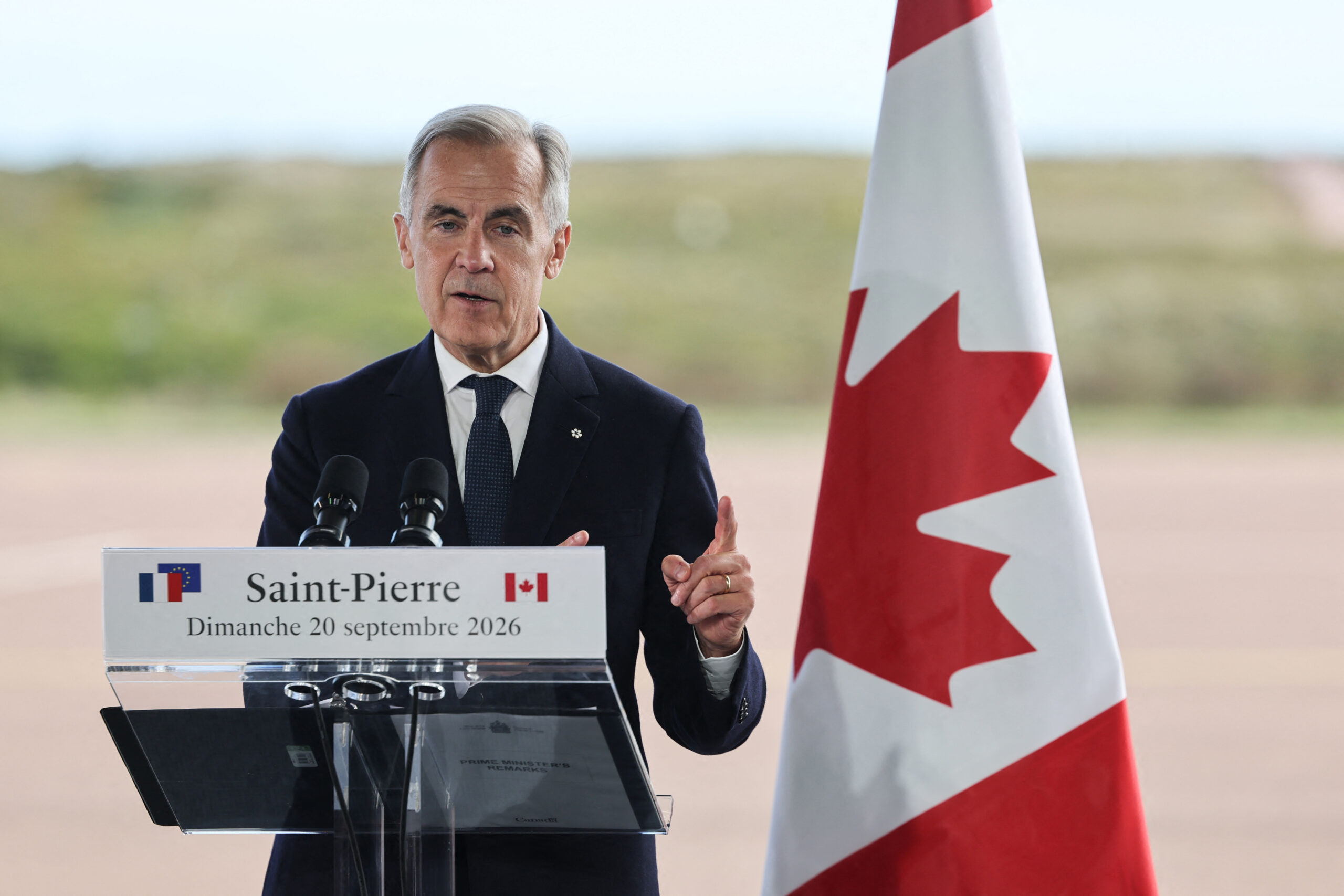
He pointed out the efforts made by Canadian Prime Minister Trudeau to attract Chinese investments and promote trade with Beijing. Trudeau is expected to meet with CCP leader Xi Jinping at the upcoming Asia-Pacific Economic Cooperation summit in Shenzhen next month to discuss the follow-up steps of the “strategic partnership” established this year.
Professor Suzuki is delivering speeches in Toronto, Ottawa, and Calgary, discussing the similar challenges faced by Canada and Japan, both striving to reduce their dependencies on major foreign markets.
“Interdependence can hurt you. That’s the reality of today,” he said. “So, we must be prepared because rules alone cannot protect us.”
Relations between Japan and China have fallen to their lowest point in nearly 15 years. Beijing has imposed trade restrictions and export controls on Japan, effectively cutting off the supply of key rare earth minerals crucial for electric vehicle magnets, protective coatings, and other high-tech products.
Prime Minister Naonori Takichi of Japan stated at the end of 2025 that if the CCP were to use naval ships against Taiwan and exercise force (such as a maritime blockade), it could constitute a “survival-threatening situation” under Japan’s security laws. In such a scenario, Japan can invoke the right to collective self-defense and deploy the Self-Defense Forces for military response.
In September of this year, the CCP announced imposing temporary anti-dumping deposit rates of up to 99.2% on Japanese-made dichlorodimethylsilane (also known as dichlorosilane or chloromethylsilane). Dichlorodimethylsilane is a chemical material used in semiconductor manufacturing, and the measures will increase export costs for Japanese chip material suppliers.
The CCP has demanded that Prime Minister Takichi withdraw her statements regarding Taiwan and warned of further actions if she does not comply.
Beijing has not ruled out the possibility of using force to annex Taiwan. Since 2016, Japan has been steadily strengthening its defense on its southwestern islands, deploying surveillance teams, radar bases, and missile units on islands close to Taiwan.
“China (CCP) sees Japan and Taiwan as its top enemies,” Professor Suzuki stated. He noted that Japan is trying to “divest its dependency on China’s supply chain and become more independent.”
Japan has identified 16 key products that need to maintain stocks to reduce the risk of supply disruptions. These products include antibiotics, magnets, aircraft components, semiconductors, natural gas, critical minerals, drones, and more. The Japanese government is supporting domestic companies to establish capabilities in producing these products.
Professor Suzuki believes that Canada can learn from Japan’s approach to identify critical goods that could impact national security or economic operations in the event of a trade disruption. By diversifying procurement, increasing stocks, and expanding domestic production, Canada can mitigate supply risks.
Supporting Trudeau’s concept of cooperation among medium-power countries, Suzuki believes that amidst the weakening of the rules-based international order, Canada, Japan, and other medium-power nations should strengthen cooperation.
He suggests that Canada and Japan can utilize the Comprehensive and Progressive Agreement for Trans-Pacific Partnership (CPTPP) as a platform for collaboration. The agreement currently has 12 members, including Canada and Japan, covering several economies in the Asia-Pacific and the Americas.
Suzuki believes that the CPTPP can be further expanded to establish a reliable supply chain extending from Southeast Asia to Canada, Mexico, and South America, providing member countries with more alternatives when facing trade restrictions or economic coercion.