
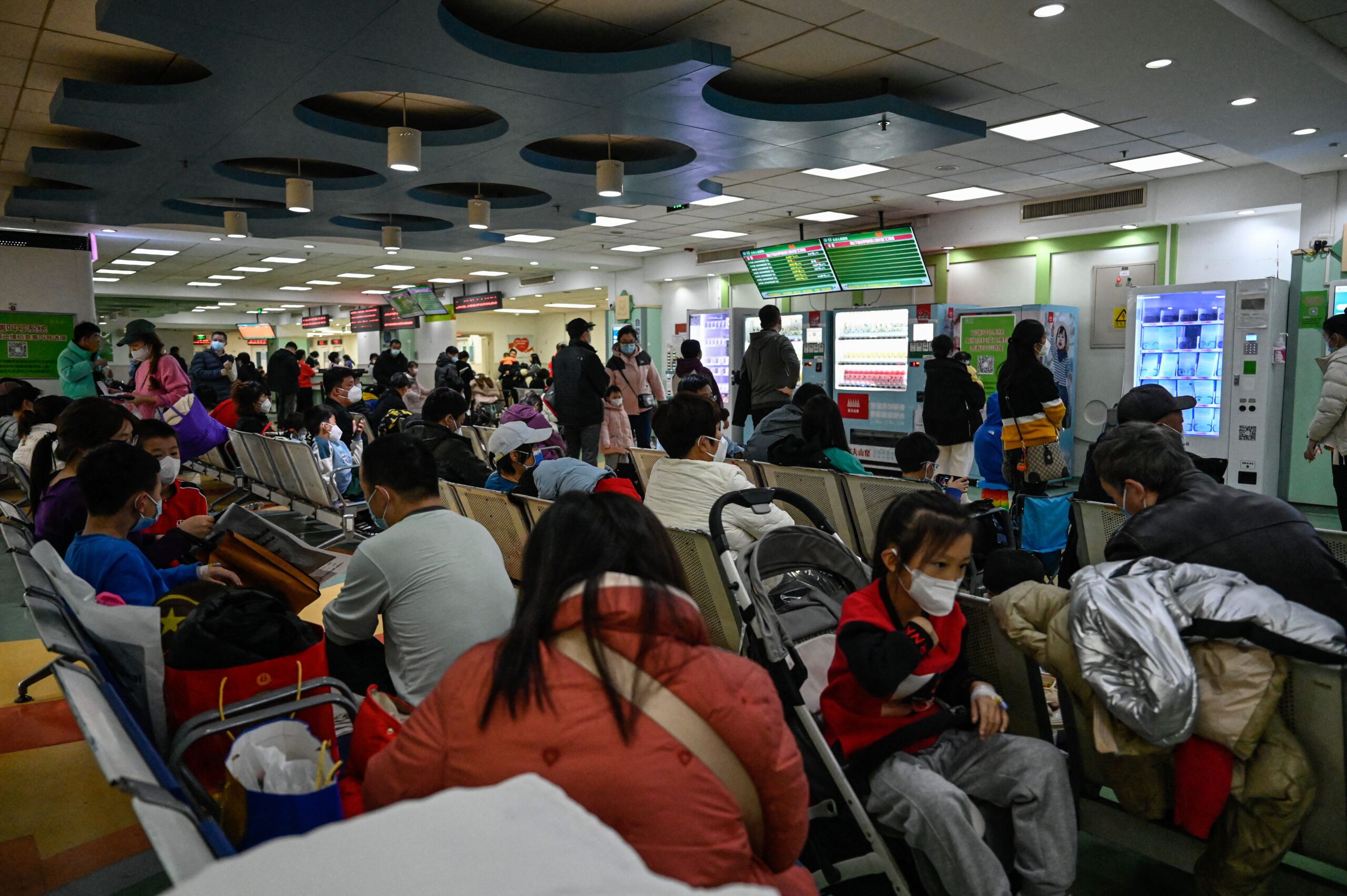
China’s unstable job environment, aging population, and long-standing slump in the real estate market have led Chinese people to be reluctant to consume and inclined towards saving. The International Monetary Fund (IMF) revealed another significant factor in their newly released book “Toward a New Economic Growth Model for China,” which is the high cost of healthcare.
In the book, the IMF pointed out that the savings levels in Chinese households are significantly higher than in other similar economies, reflecting the impact of structural factors such as an inadequate social security system. In recent years, factors such as the enduring downturn in the real estate industry have also contributed to the increase in household savings. The high savings rate has fueled China’s excessive reliance on investment, which is now showing a diminishing trend in returns.
“In this context, reducing the household savings rate is part of promoting the transition of the economic growth model towards consumption-driven, achieving economic rebalancing, and ensuring the necessary reforms for sustainable growth in the future,” the IMF stated.
Research found that in rural areas of China, medical expenses account for 8.7% of residents’ disposable income. Among the 20 major economies compared by the IMF, this percentage is only surpassed by the United States at 9.9%. Data shows that urban residents in China allocate 5.4% of their disposable income to medical expenses, ranking third.
However, taking into account the differences in per capita disposable income, the medical burden borne by Chinese people is heavier than that of Americans: as of the end of last year, the per capita disposable income in the United States was $68,289, while in China it was 43,377 yuan (approximately $6,400) — the former being more than 10 times that of the latter. This disparity becomes even more pronounced when examining rural areas in China.
According to the income data for 2025 released by the Chinese National Bureau of Statistics, the per capita disposable income of urban residents in China is 56,502 yuan, more than double that of rural residents at 24,456 yuan.
“The proportion of private medical expenses as a share of disposable income in Chinese households ranks at the forefront among similar countries, especially in rural areas,” the IMF noted.
Citing an analysis at the prefectural administrative level, the International Monetary Fund highlighted that increasing targeted government spending on healthcare and social security in rural areas could significantly reduce the savings rate of rural households.
Data indicates that migrant workers from rural areas in China employed in cities have a savings rate of about 14%, whereas those with urban “household registration” have a savings rate of around 6%.
“In recent years, the continued decline in house prices has suppressed consumption and kept household savings at a higher level,” the IMF stated.
IMF economists wrote in the book that China’s government expenditure on social welfare lags behind similar economies and is unevenly distributed, leading residents to increase precautionary savings, and an increase in such expenditures would help boost consumption.
(Partial reference from CNBC)