
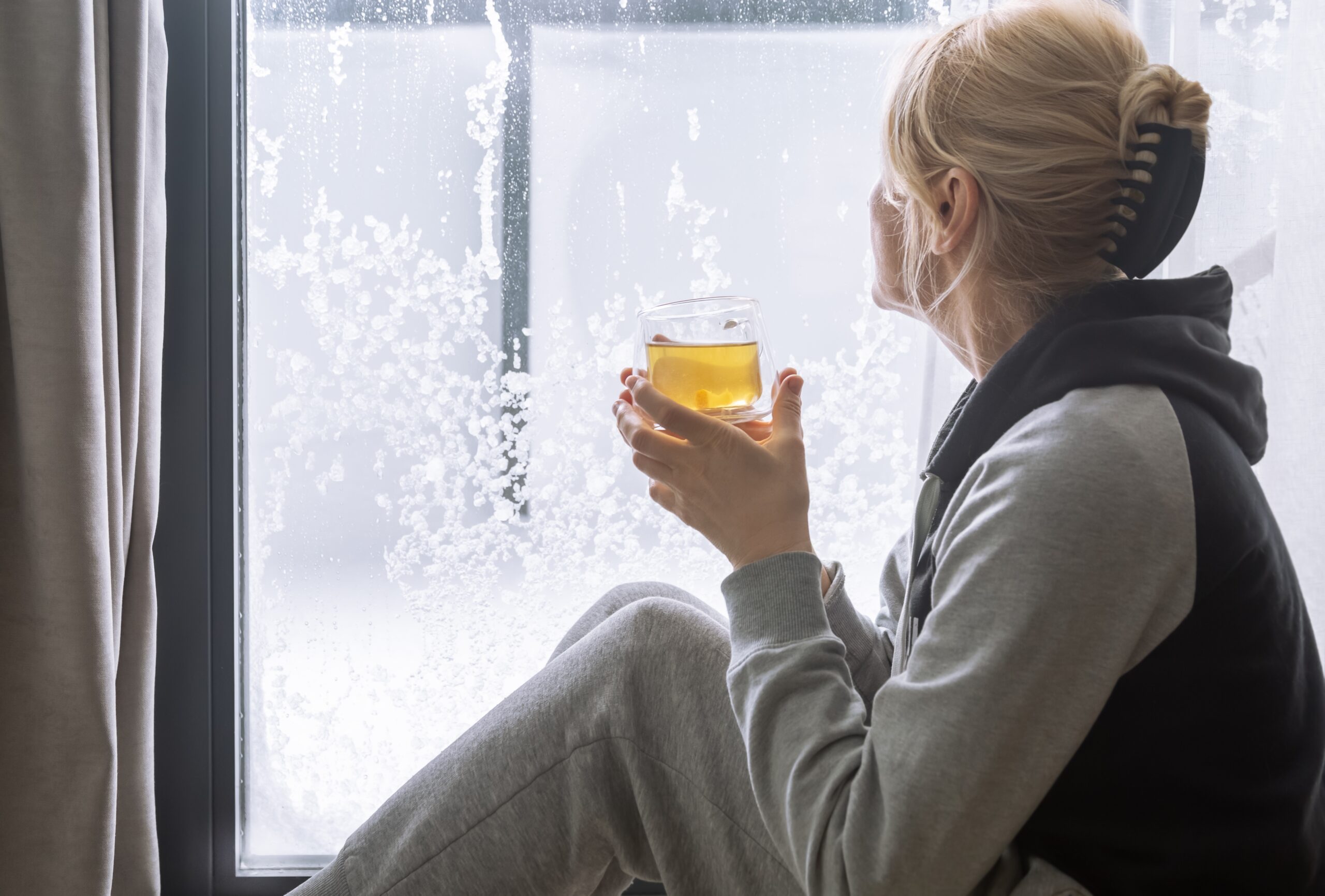
As the colder weather sets in, many households are increasing their use of heating, leading to a notable rise in energy bills. According to data from the U.S. Department of Energy, heating expenses can account for nearly a third of a family’s overall energy costs during the winter months. Each year, this inevitable expense arrives like clockwork.
The American Automobile Association (AAA), which offers more than just automotive services, has also released energy-saving tips to help residents manage their energy consumption better. They have provided a set of recommendations intended to assist households in maintaining comfortable indoor temperatures while minimizing heating costs.
Homeowners can effectively reduce heat loss by installing insulation materials and replacing old single-pane windows with double or triple-glazed windows. However, such renovations can involve significant expenses, and renters may not have the authority to make these changes.
In light of this, AAA’s magazine, Via, has compiled eight practical winter energy-saving tips that can help both homeowners and renters reduce energy consumption while keeping their living spaces warm.
One common pathway for cold air to enter homes is through gaps in doors and windows. If chilly drafts are felt around these areas or light is visible seeping through the door frame, it may indicate the need to replace weather stripping or to use caulk.
Areas that need attention include:
– Weather stripping around doors and windows.
– Gaps between door frames and walls.
– Areas where pipes and electrical wires penetrate walls.
– Spaces at the bottom of walls and floor joints.
– Around electrical outlets and light switches.
Properly sealing these gaps can prevent cold drafts from entering while caulking is suitable for securing fixed joints. Poorly sealed gaps can also allow moisture to enter, increasing the risk of woodwarping and mold growth.
Natural sunlight is an excellent and free source of heat. Approximately three-quarters of sunlight can penetrate double-glazed windows and convert into indoor warmth. Thus, during sunny days, it is advisable to open curtains and blinds to let sunlight in. South-facing windows are particularly beneficial in receiving sunlight, which aids in raising indoor temperatures.
At night, however, it’s essential to close the curtains again to reduce heat loss.
Using cellular shades, which employ a unique folding structure to create air pockets, can significantly diminish heat loss through windows. According to the U.S. Department of Energy, honeycomb shades installed snugly against the window frames can lower heat loss by at least 40%, translating to a reduction of about 10% in overall heating energy costs for the home. These window treatments provide a thermal barrier thanks to their internal honeycomb air layers.
If honeycomb shades aren’t an option, thick curtains or thermal curtains can also prove effective. Closing these window coverings after sunset not only preserves privacy but also reduces indoor heat loss.
Instead of solely relying on raising the heating temperature for the entire house, it can be much more effective to focus on keeping the body warm. Strategies for doing so include:
– Wearing thick socks and warm slippers.
– Dressing in sweaters or other warm clothing indoors.
– Keeping a blanket handy while sitting on the sofa.
– Consuming hot beverages and meals.
– Utilizing electric blankets or heat packs.
According to home heating expert Chris Barnes from the Australian consumer organization CHOICE, electric blankets are highly energy-efficient, as their power consumption is much lower compared to portable heaters or air conditioners. When using an electric blanket, it acts like a barrier between a sweater and a central heating system, providing direct heat without the need to warm up the entire house.
By adapting clothing, food, and using heating packs, people can lower their heating system’s temperature without feeling cold. During nighttime or when out at work, adjusting the thermostat to a lower setting between 65 and 68 degrees Fahrenheit (approximately 18 to 20 degrees Celsius) can yield savings of up to 10% on heating costs. This approach takes advantage of times when homes are unoccupied or when occupants are asleep.
When people are actively moving in their homes, setting the temperature around 68 degrees Fahrenheit (20 degrees Celsius) is generally comfortable.
Moreover, using a programmable thermostat allows for automatic temperature adjustments in tune with family routines. Pacific Gas and Electric Company (PG&E) estimates that homeowners using such thermostats can save up to $180 per year. According to the U.S. Department of Energy, these devices can automatically activate heating or cooling systems based on preset schedules, removing the daily manual adjustment needed.
However, those using heat pump systems should exercise caution. The U.S. Department of Energy notes that some heat pump systems are not designed for frequent large temperature adjustments, as restarting them may lead to increased energy consumption. It is crucial to set the temperature based on the manufacturer’s guidelines.
For households with heat pump systems looking to save energy overnight, it is essential to ensure that the thermostat is compatible with such equipment. If not, it is advised to make significant temperature reductions only when leaving home for more than a day.
Another significant source of energy consumption comes from washing machines, which use considerable power to heat water. For typical laundry cycles, as much as 90% of the energy consumed goes towards heating the water, with other operations only utilizing the remaining energy.
Switching from hot to warm water for laundry can reduce energy consumption by half, while cold water can decrease usage by over 50%.
To conserve energy while doing laundry, consider:
– Washing clothes in cold water whenever possible.
– Air-drying clothes outside when the weather permits.
– Using indoor drying racks during winter.
– Minimizing dryer usage.
– Investing in a dryer with humidity sensing feature.
Dryers that come equipped with humidity sensing capabilities can automatically shut off when clothes are dry, preventing unnecessary energy waste and fabric wear.
Switching to LED light bulbs is another effective way to reduce home energy expenses. LED bulbs consume over 75% less energy than traditional incandescent bulbs and can last up to 25 times longer.
During the winter and Christmas season, if decorative lights are needed, opting for LED strings is a good choice. Additionally, using timers or smart plugs to ensure the lights automatically turn on in the evening and off at bedtime can help avoid unnecessary energy consumption.
Even though LED bulbs do not impact heating systems, they are instrumental in lowering the lighting-related expense in energy bills. The energy savings from using LED lighting extends beyond the cold season; while adjusting a thermostat is beneficial only during heating periods, efficient lighting provides consistent savings throughout the year.
Lastly, regularly inspecting and maintaining heating equipment contributes to enhanced energy efficiency.
Recommendations for upkeep include:
– Monthly cleaning or changing of furnace air filters during winter, or following the manufacturer’s recommendations.
– Keeping baseboard heaters, radiators, and vents clean.
– Ensuring that furniture or curtains do not block heating vents.
– Closing damper flues when fireplaces are not in use to avoid heat loss.
– Checking for leaks or lack of insulation in heating ducts.
Heat pump systems can reduce household heating electricity consumption by up to 50%, and they also can be used for cooling in the summer. In cold periods, heat pumps extract heat from outside air and deliver it indoors, while in warm times, they expel indoor heat to the outside.
For homes without central ductwork, ductless air-source heat pumps, commonly known as mini-split systems, are available. These ductless systems consist of an outdoor unit and one or more indoor units mounted on walls or ceilings. Even in low outdoor temperatures, the outdoor unit can extract heat from the air and convey it directly into the indoor units.