
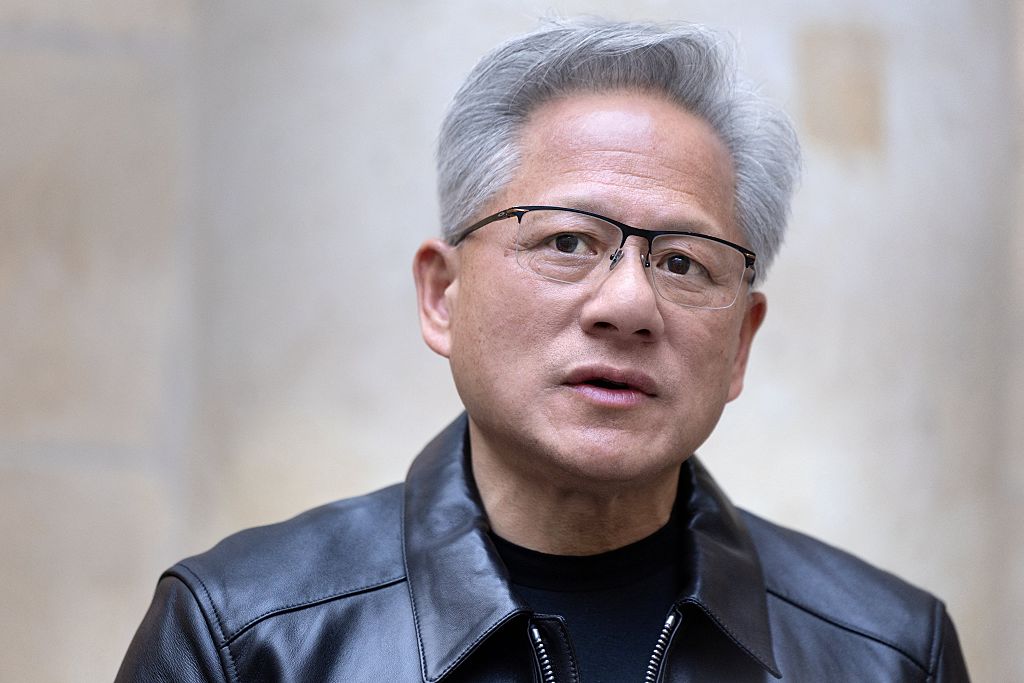
Jensen Huang, the co-founder and CEO of Nvidia, has played a pivotal role in establishing the company as one of the most significant players in the global technology sector. However, recent revelations surrounding a controversy involving a personal relationship he had with a female business executive have intensified scrutiny towards Nvidia’s leadership. U.S. intelligence agencies are reportedly concerned about the possibility that this executive may have ties to the Chinese Communist Party.
On November 8, Nvidia’s board of directors initiated an independent investigation into the matter. Jensen Huang has acknowledged his involvement in an extramarital relationship, but the central concern for the board is whether this incident poses any risk to the company’s operations. The outcome of the investigation could determine Huang’s future as CEO.
A report from NDTV on November 9 outlined five potential scenarios that could influence Huang’s career trajectory.
The most straightforward outcome would be a determination that Huang could be targeted for intelligence operations, but that he did not knowingly disclose sensitive information or harm Nvidia’s interests.
Being considered a target does not equate to actively participating in intelligence activities. If the board finds no evidence of misconduct that compromises the company’s interests, they may conclude the investigation and allow Huang to retain his position.
An initial statement from Nvidia indicated this might be the likely direction, as the board expressed no reason to believe that company secrets or national security had been compromised, stating their continued confidence in Huang.
Should investigators unearth new information, however, the board’s stance may change. Nevertheless, the company has explicitly indicated that they expect Huang to continue in his role as CEO.
The investigation may determine that Nvidia needs to fortify its internal security measures, but there remains no evidence suggesting that Huang knowingly divulged confidential information.
In this scenario, the board could allow him to remain in his position while reviewing how senior executives manage sensitive information, relationships with clients, and interactions with companies in regulated markets.
These regulations are crucial, given that Nvidia sells advanced processors to clients across various countries. The board must ensure that business relationships do not lead to violations of U.S. export regulations or increase the risk of confidential information leaks.
The findings from such investigations do not necessarily mandate changes in the upper management structure. The company can address any issues by enhancing internal controls and requiring closer oversight from the board regarding sensitive business relationships.
If investigators confirm that Huang concealed crucial information from the board, misled them, or did not disclose activities that could lead to significant conflicts of interest, the situation would become considerably more serious.
The board need not wait for a criminal conviction to consider leadership changes. They can independently assess whether retaining a particular executive remains in the best interests of the company.
Additionally, the board may delve deeper to evaluate whether Nvidia’s business dealings with clients have resulted in regulated technology or sensitive information being exposed.
The U.S. has implemented export controls restricting China’s access to advanced artificial intelligence chips.
Reports suggest that Megaspeed, a Singapore-registered AI cloud computing and data center service company, has procured Nvidia processors, raising concerns about the nature of its dealings with Beijing.
Should investigators find that restricted technology or confidential information has gone to unauthorized parties, Nvidia could face intensified scrutiny from Congress and governmental entities.
A closed-door congressional briefing set for November 18 will be a crucial milestone in the unfolding of this scenario. Legislators seek to hear from Huang about the relationships in question and the safety measures the company has enacted.
If evidence surfaces that Nvidia’s security measures have failed, the board will face additional pressure. While changing leadership might be one of the options on the table, it ultimately depends on how the investigation portrays Huang’s role in the circumstances.
It is also a possibility that Huang may opt to resign voluntarily. Even if the investigation does not point to any direct wrongdoing on his part, this option remains on the table.
If the controversy continues to escalate, it could adversely affect his relationships with government officials, clients, and investors. The board must consider whether a leadership transition would protect the company’s interests and refocus efforts on business development.
Identifying a successor is no easy task. Huang co-founded Nvidia in 1993 and has been instrumental in transforming the company from a graphics chip manufacturer into a core supplier of the global AI computing infrastructure.
His responsibilities extend beyond management, as he has been deeply involved in product strategy and maintaining collaborations with key clients.
Intel has previously encountered similar issues regarding CEO behavior, although the specific contexts were distinct.
In 2018, Intel CEO Brian Krzanich resigned after it was revealed he had engaged in a relationship with an employee, violating internal policies. The company did not wait for criminal proceedings to conclude and accepted his resignation following an internal investigation.
In 2019, McDonald’s faced a similar predicament when it discovered then-CEO Steve Easterbrook had an inappropriate relationship with an employee, leading to his termination for breaching company policy.
McDonald’s later found that Easterbrook concealed information about additional relationships during the investigation.
The Securities and Exchange Commission subsequently charged him with misleading investors regarding his departure, resulting in an agreement that barred him from holding senior positions in public companies for five years and a $400,000 fine, although he did not admit or deny the findings.
Both Intel and McDonald’s cases involved executives engaging in relationships with company employees that were confirmed to violate corporate policy.
In contrast, Nvidia’s investigation is notably different as it pertains to Huang’s relationship with an executive from an external company, alongside concerns that he may have become an intelligence target.
This distinction will inform how the board evaluates the investigation’s outcomes.
Huang admitting to an extramarital affair does not, in itself, demonstrate a breach of Nvidia’s policies or indicate that he disclosed company information.
The board also needs to consider the risks associated with changing leadership.
Huang has led Nvidia for more than 30 years and remains a central figure in the company’s growth strategy. If he were to be replaced, the company must navigate the challenges posed by business dealings in China and global scrutiny of the AI chip market.
Presently, Nvidia has expressed its support for Huang, stating he will continue to lead the company and that his work will not be disrupted. Huang has also committed to cooperating with the investigation.
The developments that follow will depend on the results released by the independent board investigation and the explanations Huang provides to U.S. Congressional representatives.
Neither the extramarital affair nor the accusations of involvement in intelligence operations, at this point, can alone substantiate sufficient grounds for Huang’s replacement.
The board’s findings will ultimately determine whether this controversy is merely a matter of corporate governance oversight or if it may lead to a significant shift in the leadership of Nvidia.