
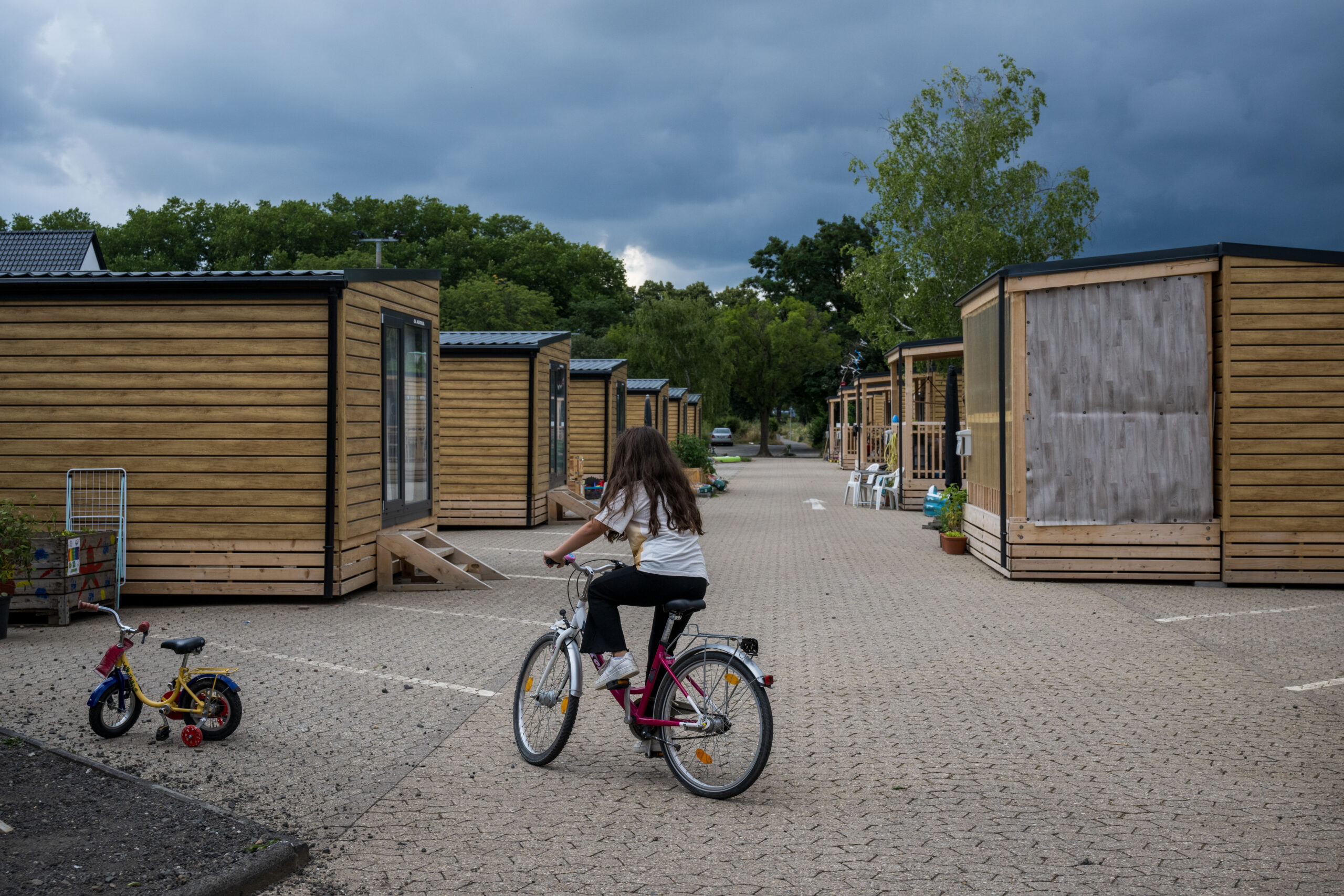
“The Bird’s Nest,” a mini housing community tailored for women in Texas, USA, has recently gained attention for its spirit of mutual aid among residents and its unconventional living arrangements. The community was founded in 2022 by 70-year-old Robyn Yerian.
Before establishing the community, Yerian had lived in a $57,000 two-bedroom mini home for five years. At the time, she was seeking a passive income source for retirement and eventually used funds from her 401(k) retirement account to purchase land in Texas and build this community.
Yerian initially focused on Dallas and searched for affordable undeveloped lands in the surrounding areas, which are not under the jurisdiction of any established city or town government. She eventually bought 5 acres of land in Cumby, about 65 miles from Dallas, for $35,000.
Subsequently, Yerian invested around $150,000 in land development, including septic tanks, electricity, water supply systems, land leveling, and road construction, and applied for the land to be designated as a mobile home park. She mentioned that most counties do not welcome mobile home parks, making it the most challenging step in the process.
Yerian then constructed 14 concrete pads on the land, each measuring 10 feet by 30 feet, and rented them out for $450 per month.
Currently, the community has 11 female residents with just one vacancy. Yerian stated that about 500 people are vying for this spot, and applicants must meet her and existing residents in person, with some even traveling specifically for interviews.
Residents in the community support each other in daily life, including providing rides for medical appointments, caring for each other when sick or post-surgery, and being a supportive listening ear. They often cook and dine together in the community’s outdoor kitchen and offer assistance when a mini home needs repairs. Yerian has also held workshops in the community teaching women how to use power tools and saws.
Yerian mentioned that the low cost of living in the community enables residents to achieve economic independence and freedom. She revealed that while the community was not initially targeted towards women, she gradually realized that many women face economic challenges in retirement and therefore wanted to continue finding ways to help more women.
She encourages others to try establishing similar communities and noted that while such projects may not bring huge profits, they can provide a certain economic cushion for retirement living, along with a sense of community belonging.