
Europe is facing a crisis in agriculture as extreme summer heatwaves, drought, and wildfires devastate crops across the continent. In France, vegetable production is expected to be halved, while Spain anticipates a decrease of over 5 million tons in grain production, leading to a potential rise in olive oil prices this autumn.
According to a report from The Guardian on Tuesday, farmers in Europe are warning that the extreme weather is causing a decline in crop yields and increasing the cost of food production. Economists believe that the impact of this weather shock may be reflected in food prices in the coming months, with the potential for even greater effects than the recent fluctuations in energy and fertilizer prices due to the conflict in Iran.
The French Vegetable Growers Association, Légumes de France, has issued a warning that thousands of tons of crops worth millions of euros, including lettuce, carrots, leeks, garlic, and onions, have been damaged due to lack of rainfall, with some crops expected to decrease by half.
The scorching heat in France has also affected grape growth in wine regions such as Champagne, Bordeaux, and Burgundy. Grape production in the Champagne region is expected to decrease by about 10% compared to last year, with harvest likely to start around mid-August, setting a record for the earliest harvest in the region.
The Spanish Ministry of Agriculture predicts a decrease in the grain yield for the 2026-2027 season from 24 million tons to just over 18.5 million tons, a forecast made before further losses caused by wildfires.
The EU has revised down forecasts for several crops, including sunflowers by 7%, grain maize by 6%, and slight reductions for potatoes and soybeans.
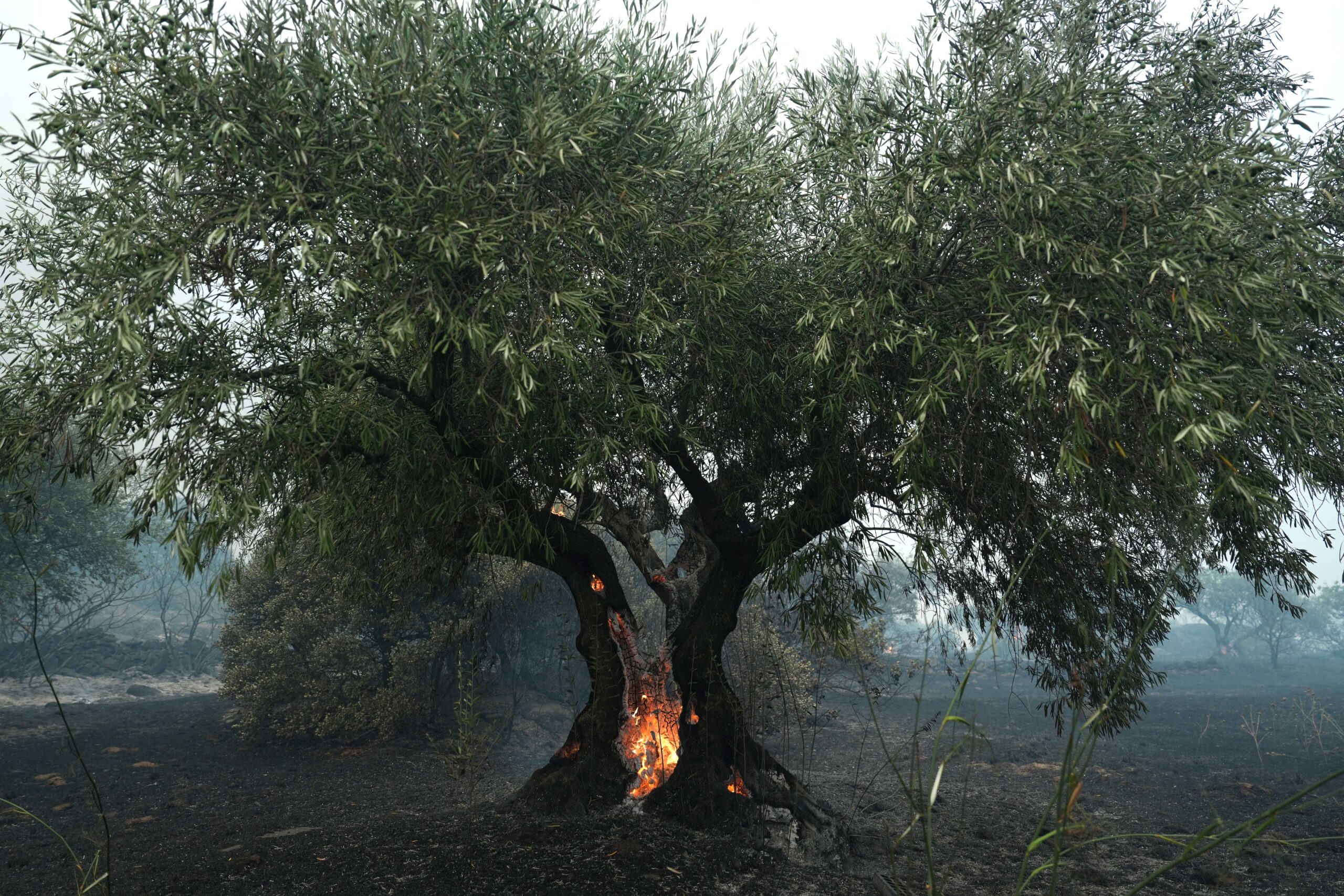
Meanwhile, olive orchards in Greece, Italy, and Portugal have been ravaged by wildfires this summer. Even regions not directly affected by flames have experienced impacts from ash and deteriorating air quality. The extreme heat has led to increased pests, disease spread, and severe storms, affecting the size of fruits.
Global olive oil prices have been on the rise in recent months, with the average price of a liter of extra virgin olive oil in British stores still exceeding £7.
Sarah Vachon, founder of the olive oil organization Citizens of Soil, told The Guardian, “Unless weather conditions are brought under control soon, we should expect prices to rise in the fall as the supply of edible olives for oil production decreases.”
Walter Zanre, UK Business Director of the olive oil brand Filippo Berio, pointed out that while temperatures in Spain, the largest olive oil producer in Europe, are closer to normal levels compared to other regions, olive trees are still affected by drought, potentially leading to fruit drop.
He stated, “Fruit losses due to drought, along with early harvesting, will be closely monitored in the coming weeks, as both factors have the potential to significantly impact next year’s olive oil production and market prices.”
Local crop yields in the UK are also affected by ongoing drought conditions. Wholesalers have had to turn to Spain and other regions to source key items such as iceberg lettuce and broccoli, while UK farmers warn of potential food shortages.
Jason Bull, Managing Director of UK food importer Eurostar Commodities, noted that successive heatwaves can shorten the grain-filling period for crops like wheat, accelerating their maturation and harvest, resulting in incomplete grain development, smaller sizes, and decreased overall quality and yield.
Summer crops such as corn and sunflowers face even greater threats, as they are highly sensitive to high temperatures and drought during flowering, which can disrupt pollination and growth, leading to a substantial drop in yield. While irrigated crops currently outperform rain-fed crops, the increased water demand and possible irrigation restrictions bring additional risks.
However, some countries are experiencing lesser impacts. Turkey, due to cool and rainy springs, has achieved record high winter crop yields, with favorable prospects for summer crops as well.
The European Commission predicts a 10% increase in soft wheat production in Italy due to improved yield per hectare, while Romania, having overcome past years’ drought effects, is experiencing a significant recovery in agricultural harvests, with corn production expected to reach 8.2 million tons, higher than the official estimate of 7.75 million tons in 2025.
On an economic scale, Oxford Economics believes that the summer heatwave this year may have a greater impact on next year’s food prices than the energy and fertilizer price shocks resulting from the conflict in Iran.
Senior economist Tomas Dvorak from Oxford Economics stated, “We expect the impact of this summer’s heatwave on next year’s food prices to be stronger than that of the conflict.”
While the Iran conflict briefly raised oil and fertilizer prices, market concerns have eased following a ceasefire. Economists note that global commodity price impacts typically take about a year to trickle down to consumers, meaning the previous price hikes could still put pressure on food prices in 2027.
Oxford Economics estimates that the combined effects of rising oil, fertilizer, and agricultural product prices may increase the eurozone’s food inflation rate by around 0.5 percentage points in the next year; weather factors alone could push food inflation up by as much as one percentage point, driving the eurozone’s food inflation rate to around 3% in 2027.
The institution also indicated that the intensifying El Niño phenomenon this year could exacerbate extreme weather, increasing the risk of disrupted crop supplies. Related price pressures are expected to manifest in the first half of 2027 and gradually ease in the second half.
The European Central Bank’s research suggests that as the climate continues to warm, crops may become more susceptible to heat stress, potentially leading to greater crop losses and food price pressures from similar levels of heatwaves in the future.