
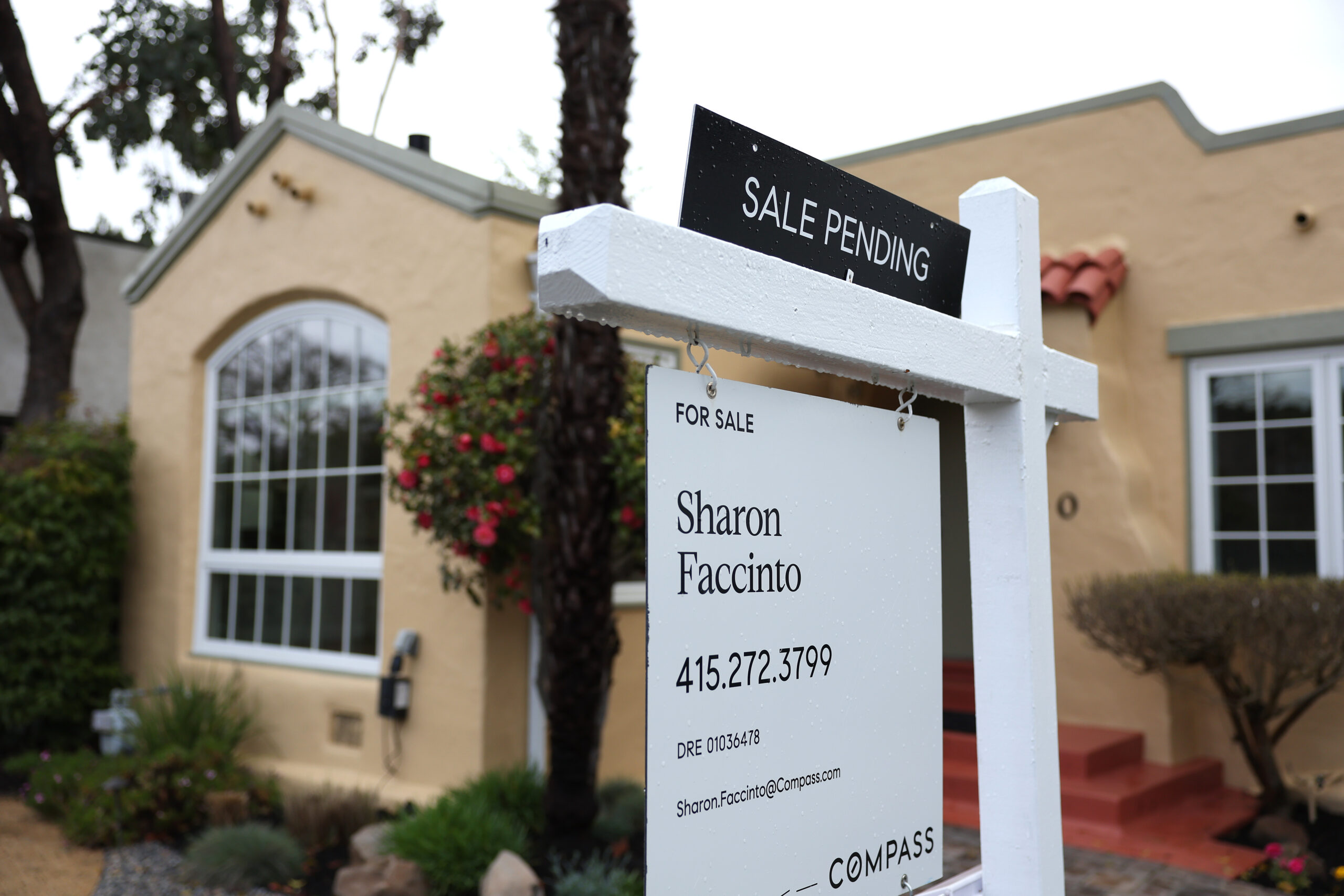
During the 12-month period ending in March of this year, the number of Chinese buyers purchasing real estate in the United States decreased compared to the same period last year. This was due to some states enacting laws prohibiting foreign citizens from specific countries from buying properties. Additionally, California remains the top choice for Chinese buyers if they were to purchase property in the United States.
According to the latest “2026 US Residential Real Estate International Transaction Report” released by the National Association of Realtors (NAR), international buyers purchased a total of $45.3 billion worth of existing homes in the US from April 2025 to March 2026. Compared to the previous year, the total transaction amount decreased by nearly 20%, with a 14% reduction in the number of purchases.
In the past year, foreign buyers acquired approximately 67,000 properties, marking the second lowest level since NAR began tracking such data in 2009. During this period, Chinese buyers purchased 7,400 homes, a 37% decrease from the previous year’s 11,700.
“The decrease in foreign real estate buying activity reflects the decline in international visitors and tourists coming to the US,” noted Lawrence Yun, the Chief Economist of NAR in the report. “Despite a slight softening of the US dollar exchange rate in the past year, providing foreign buyers with stronger purchasing power, this did not stimulate more buying activities.”
Chinese buyers accounted for 11% of the total international real estate buyers, ranking third behind buyers from Canada and Mexico. Previously, Chinese buyers held the largest share at 15%. However, buyers from Asia collectively represented 33% of the total real estate purchases, the highest share among all regions.
However, Chinese buyers still contributed the highest total purchase amount, reaching $7.6 billion, partly due to the average price of houses purchased by Chinese nationals being around $1 million. Yet, this figure saw a significant decrease from the $13.7 billion during the same period last year.
California remains the top choice for Chinese buyers to purchase property, followed by Texas, Arizona, and New York.
Local policies have become increasingly challenging obstacles for Chinese buyers. In recent years, several states have enacted legislation restricting Chinese citizens from buying homes or land. On November 4, 2025, the US Appeals Court ruled that Florida could enforce a law restricting Chinese citizens from purchasing real estate and land. Texas implemented a law last September prohibiting Chinese citizens from buying properties, with exceptions for those holding valid visas seeking to buy primary residences.
According to a report by Nikkei Asian Review, a real estate broker in Texas mentioned that since September last year, she has not received any clients from China, noting that high-interest rates have discouraged some foreign buyers as well.
Over 30 states have passed or proposed bills restricting foreign nationals from specific countries from owning properties.
The backdrop of the decreased foreign real estate buying activity is the continued downturn in the overall real estate market. In addition to challenges in housing affordability, the report also highlights that geopolitical uncertainties, trade policies, and inflation have suppressed international demand, leading some overseas buyers to adopt a “wait-and-see” approach when investing in US real estate.
Among foreign buyers who were unable to successfully purchase properties in the past year, the biggest obstacles included:
– 33% unable to find suitable properties
– 28% deterred by pricing issues
– 19% restricted by immigration regulations
The National Association of Realtors surveyed 4,970 real estate agents, with 7% reporting serving international clients. Matt Christopherson, Director of Commercial and Consumer Research at NAR, mentioned that despite the slight softening of the US dollar exchange rate in the past year, the demand from foreign buyers remains constrained.
He remarked, “Foreign buyers, like domestic buyers in the US, also face challenges due to insufficient housing supply and affordability issues.”
Buyers from India accounted for 9% of the total foreign buyers, a proportion that saw an increase compared to the previous period. Unlike buyers from Canada, Mexico, and China, most Indian buyers purchase US properties for self-use (as primary residences) rather than investment purposes, as seen with Chinese buyers buying properties for student use.
Despite the challenges, the US continues to attract foreign buyers. The report indicates that many metropolitan areas in the US offer relatively moderate housing prices compared to other major global cities. Even with rising property prices, the US real estate market still provides long-term investment opportunities.