
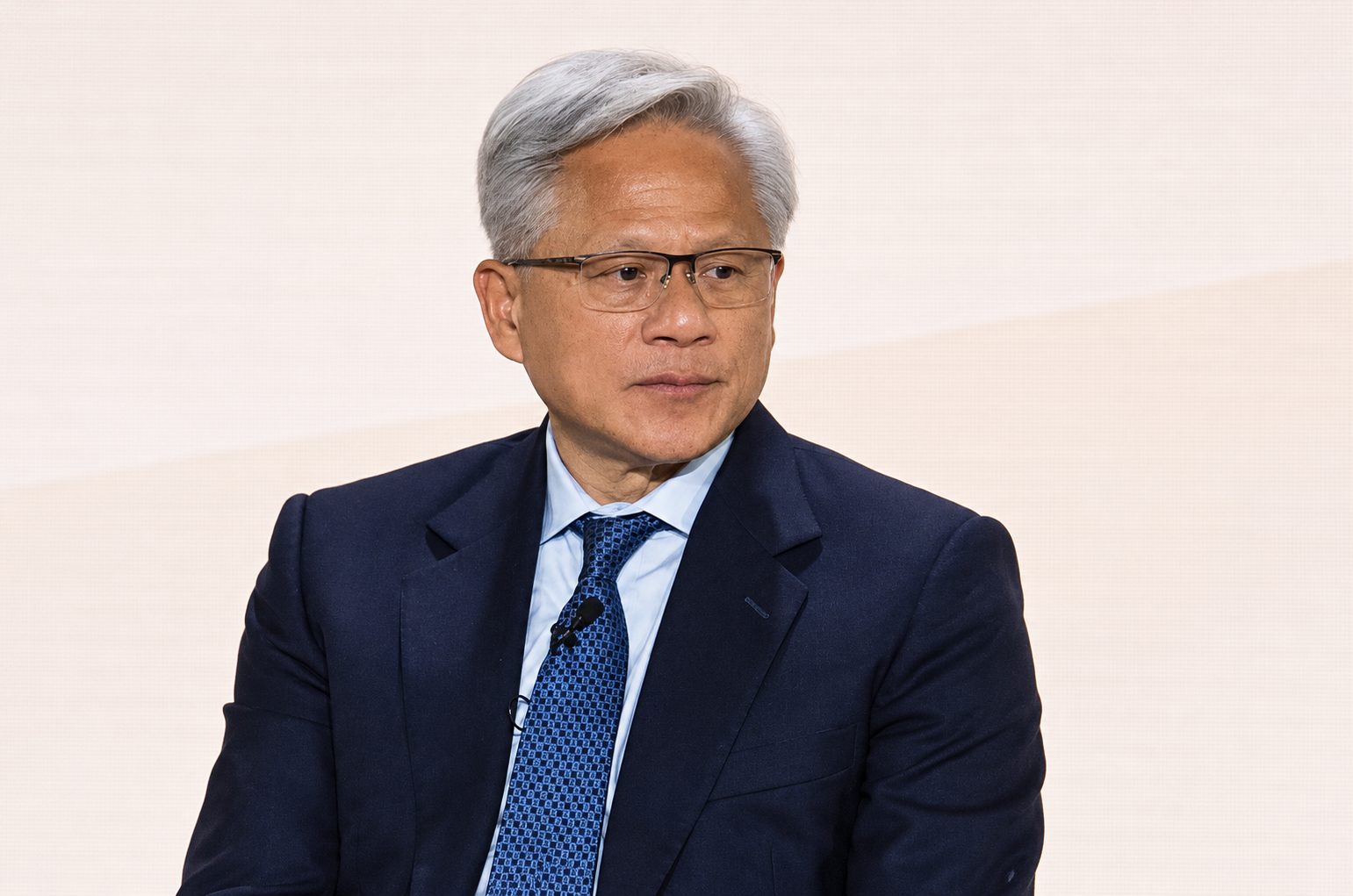
On Thursday, November 5, it was reported that several committee chairs from the Republican Party in the U.S. House of Representatives have jointly requested Nvidia CEO Jensen Huang to testify before Congress this month. This request is related to a news report alleging that Huang has a close relationship with a Chinese businesswoman who is said to be delivering information to Beijing.
According to a report in the New York Times last month, U.S. authorities are investigating Alice Huang, a former executive at the Singapore-based company Megaspeed, which had been purchasing artificial intelligence (AI) chips from Nvidia.
U.S. officials have been scrutinizing Megaspeed, suspecting that the company may have assisted Beijing in obtaining advanced AI chips that are prohibited for export to China.
In a letter dated November 4, Brian Mast, the Chairman of the House Foreign Affairs Committee; John Moolenaar, the Chairman of the China Task Force; and Eric Crawford, the Chairman of the Intelligence Committee, called for Huang to hold a closed-door briefing on November 18 regarding the New York Times report as well as Nvidia’s security measures against espionage activities from foreign adversaries.
In their correspondence, the lawmakers expressed that the report raised significant national security concerns regarding Beijing’s access to sensitive technology and information from the United States.
They added, “Congress must determine the extent of the risks that U.S. national security is facing.”
Nvidia had not commented specifically on the letter but stated that Jensen Huang regularly engages with thousands of customer executives annually. The company emphasized that the information shared with cloud customers in Asia consists of standard business communications rather than Nvidia’s sensitive commercial secrets or any information relevant to U.S. national security.
Furthermore, Nvidia mentioned that it frequently receives updates from the U.S. government regarding relevant parties and entities, and it consistently takes appropriate measures in light of such information.
This situation reflects the ongoing tensions around technology and national security, particularly concerning U.S.-China relations, as lawmakers seek to address potential vulnerabilities in sensitive areas like artificial intelligence and advanced semiconductor technology.