
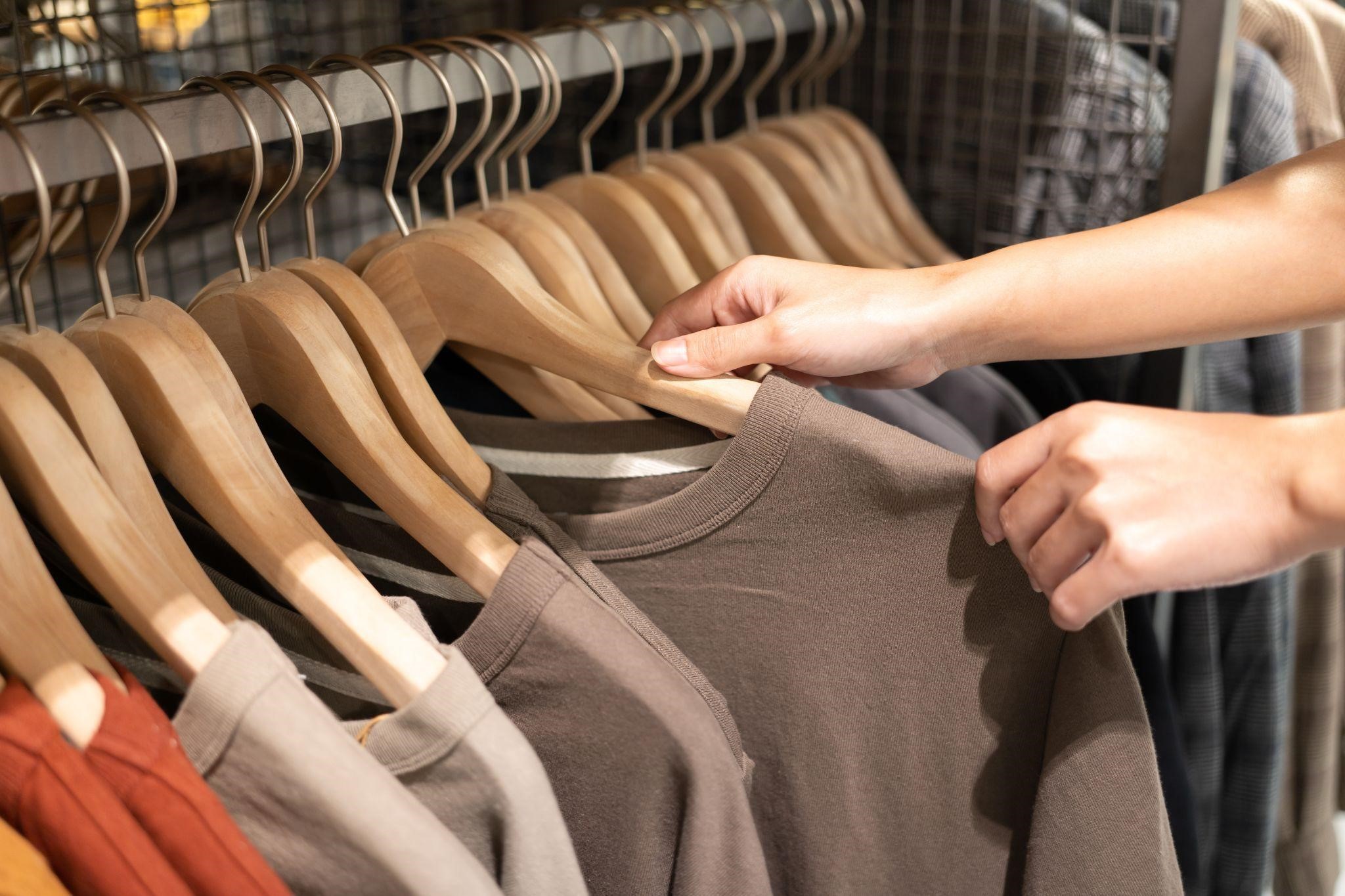
In daily life, expenses are inevitable in terms of food, clothing, housing, transportation, and recreational activities. When it comes to clothing, besides providing warmth, they also serve to enhance one’s appearance and express individual tastes or current fashion trends. For some people, the cost of maintaining a wardrobe can be significant. If clothes can last longer, perhaps money spent in this area can be reduced.
Research conducted by Réka Tölg, a postdoctoral researcher in marketing, retail, and consumer studies at Lund University in Sweden, and Ingrid Haugsrud, a doctoral student in sustainable textiles and food consumption at Oslo Metropolitan University in Norway, as reported on The Conversation website, suggests that relying solely on the care labels on clothing is no longer sufficient to help consumers extend the lifespan of their garments.
Their study reveals that while some clothing retailers offer care products and maintenance services, these options are often considered secondary services and not prominently displayed in physical stores, making it difficult for consumers to notice. This undoubtedly overlooks a significant opportunity to promote sustainable consumption.
The researchers also found that consumers desire more specific and practical support to help prolong the lifespan of their clothing through care and repairs, ultimately reducing their environmental impact.
They mention that the lifespan of clothing varies depending on design, quality, material, and how they are worn and maintained. However, in today’s fast fashion system, the actual wearing time of clothes often falls short of their design lifespan.
Extending the lifespan of clothes is not only about purchasing or reselling old garments; how clothes are washed, repaired, stored, and worn is equally important. This means that even without the assistance of retailers, you can take action now.
Here are five methods to extend the lifespan of clothing through daily care:
– While clothing labels specify the washing machine and dryer programs suitable for them, reducing the use of these machines can help protect them. Instead of washing frequently, try airing and hanging clothes to wear them again.
– For denim or thrift store-bought clothes, placing them in the refrigerator for a few days helps eliminate odors. If there are only localized stains on clothes, choose to handwash that specific area.
– The fiber composition, structure, color, and design of clothing all influence how they should be worn and cared for. A deeper understanding of textile knowledge can not only help you better care for your clothes but also make more informed purchasing decisions.
– Using tools like clothing brushes, lint rollers, or fabric shavers can refresh clothing with minimal effort, although the effectiveness often depends on the material of the garment. For example, treating pure wool garments for pilling usually works better than on synthetic fiber blends.
– The effectiveness of removing stains from clothing depends on the fabric’s durability, the efficiency of various cleaning products, and the type of stain. You can find information in multiple languages online.
In affluent societies, many people (especially women) have closets filled with “unused” clothing. These items are stored away, neither worn nor incorporated into future outfit plans. Because of this, decluttering closets and the minimalist lifestyle have become quite popular.
If you look at your wardrobe with a more inclusive view, you may rediscover those forgotten beloved clothing pieces and uncover more outfit possibilities with your existing pieces. Examining your dressing habits can not only help you avoid unnecessary impulse purchases but also lead you to make wiser decisions when buying clothes in the future.
Social media influencers in the realm of slow fashion often share tips, such as “defining personal style in three adjectives” (helping you identify the qualities to look out for when buying clothes) or “color analysis” (assisting you in finding the most flattering tones and colors for you). These methods can help you recognize and discover clothes that truly bring you joy.
You might be familiar with mending holes or buttons, but are you equally adept at darning socks, repairing knits, or altering pant legs? The researchers found that despite consumers valuing their clothes and wanting to extend their lifespan, a lack of repair skills often proves to be a significant obstacle.
Fortunately, various public mending workshops are becoming more commonplace, providing people with the opportunity to exchange skills and meet like-minded local community members.
Some retailers have recognized the need to assist consumers in extending the lifespan of their clothes and offering genuinely effective after-sales maintenance services. Consumers can prioritize brands and retailers that offer maintenance services, easy access to original parts and repair patches, and even brands that provide clothing alteration and repair services.
Such consumer choices can prompt brand manufacturers to take more concrete actions: no longer merely printing environmental slogans on washing labels or providing poor-quality quick-fix repair kits for products that are difficult to repair but offering more comprehensive, truly helpful after-sales support services to extend the lifespan of their products.
The aim is to make caring for old clothes the norm and position after-sales maintenance services as a core part of the retail industry, rather than an optional extra.