
Recent reports from the Siberian region of Russia have revealed the deaths of laboratory personnel, with the Russian authorities initially citing the cause of death as “pneumonia of unknown origin” which later led to suspicions of pulmonary plague. This news has caused panic among the people in China.
Due to the Chinese government’s strict control over the internet, the Chinese population has been lagging behind in receiving relevant information compared to other countries worldwide. In recent days, a surge of pandemic-related information has appeared on Chinese social media platforms, particularly in the Northeastern provinces where rumors of “city lockdowns” have been circulating, urging people to stock up on food and purchase antibiotics such as doxycycline.
Former judge from mainland China, Shen Liangqing, expressed to a reporter that “public opinion and people’s reactions may be overly anxious.” However, he believes that there are reasons behind this, related to the “terror of the memories caused by the COVID-19 pandemic” and concerns about the transparency of government information.
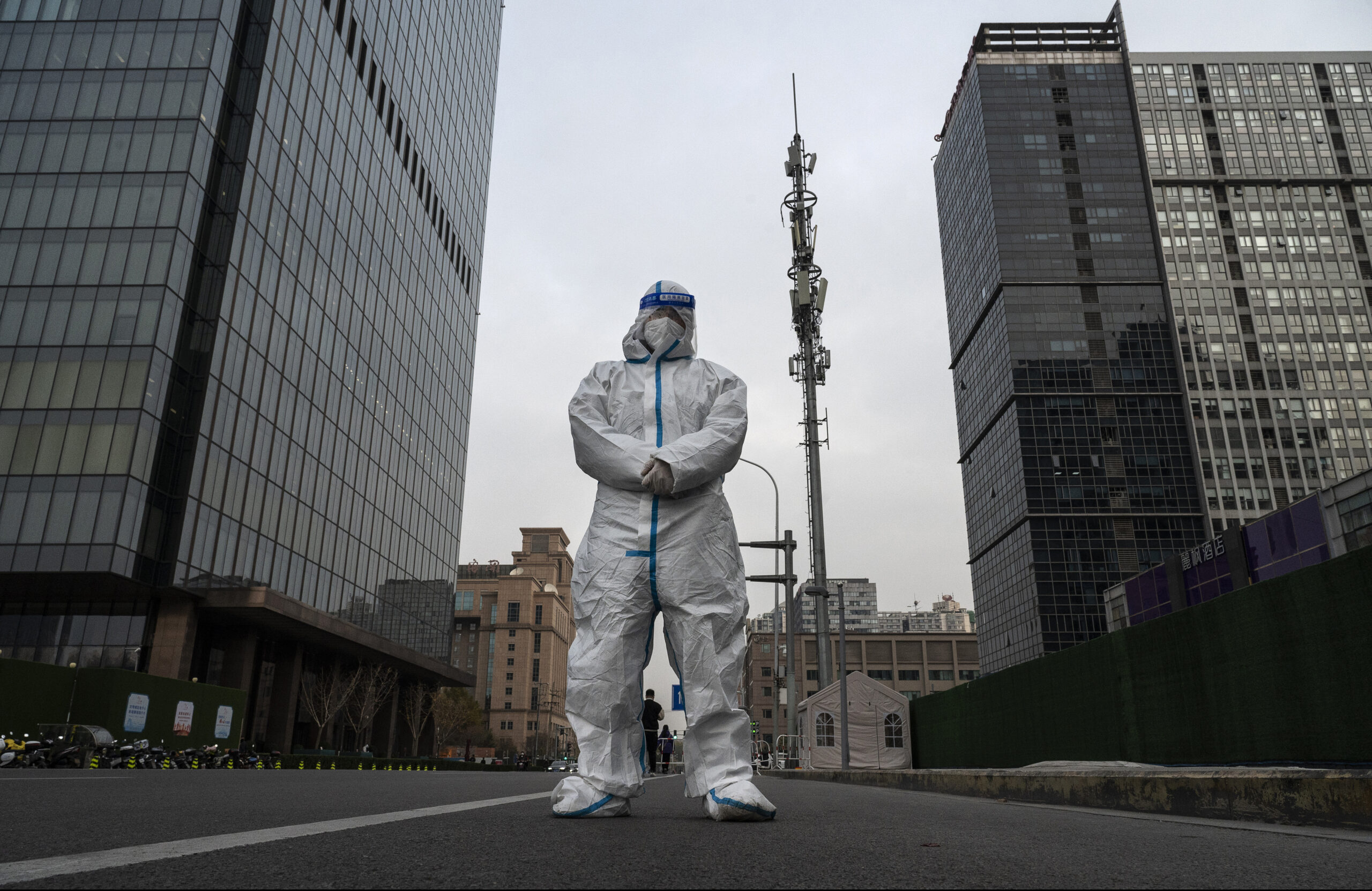
Commentator Tang Jingyuan, in an interview with a reporter, pointed out that Chinese people have experienced significant psychological trauma during the three-year period of censorship and control, including shortages of supplies and difficulties in accessing medical services. Therefore, upon hearing news of the epidemic in Russia, some individuals may trigger past fears, leading to a kind of “reactive response”.
The “Russian pulmonary plague” incident has garnered significant attention on Chinese social media. Posts online have been spreading warnings of possible “city lockdowns” in the Northeastern provinces, causing a rush for purchasing doxycycline and reports of a sharp increase in the prices of medications. Some posts urge people to prepare medications and essential supplies in advance, further exacerbating concerns about a return to lockdown measures.
On overseas social media platforms, there are Chinese posts advising the purchase of doxycycline, ciprofloxacin, and fever-reducing medications, particularly emphasizing to residents in the Northeast to “hurry and buy.”
Rumours circulating on Chinese social media about people stocking up on doxycycline and other antibiotics, as well as the steep rise in drug prices due to the epidemic, have yet to be confirmed by reliable reports.
The Centers for Disease Control and Prevention (CDC) in the United States do list doxycycline, ciprofloxacin, and others as treatment options for plague or for post-exposure prevention. However, they stress that the use of these drugs should be determined by medical professionals and do not recommend stockpiling and self-administration by the general public.
Shen Liangqing pointed out that “many people indeed do not like authoritarian and totalitarian regimes like those in China and Russia; this dislike can amplify panic and concern.”
He believes that even though Russia may have concealed the pulmonary plague by labeling it as “pneumonia of unknown origin”, while the plague itself has a high mortality rate, its means of transmission make it less dangerous compared to diseases like COVID-19 and SARS, making it relatively easier to control.
Plague is an infectious disease caused by the bacterium Yersinia pestis, a zoonotic bacteria. According to the World Health Organization (WHO), without prompt treatment, the mortality rate of plague can range from 30% to 100%. There are three main types of plague, with pulmonary plague being the most toxic and dangerous, as it can be spread through respiratory droplets between people.
Commentator Tang Jingyuan stated that the pattern of this event bears a striking resemblance to the outbreak of the virus at the Wuhan Institute of Virology, which has led many people to feel that “history is repeating itself.”
He mentioned that the outbreak of the epidemic occurred in highly guarded virus research facilities, similar to those high-level research facilities for viruses and bacteria, potentially involving accidents leading to leaks. These institutions often have military backgrounds and have been involved in the development of biological weapons such as microbial and biological weapons.
Tang Jingyuan pointed out that the way the Russian authorities are explaining the epidemic is similar to the initial official statements during the early stages of the Wuhan epidemic, including emphasizing that the epidemic is “preventable and controllable” and denying human-to-human transmission. He believes that these similarities have made the public’s “memory still fresh” and deepened fears and concerns about the epidemic.