
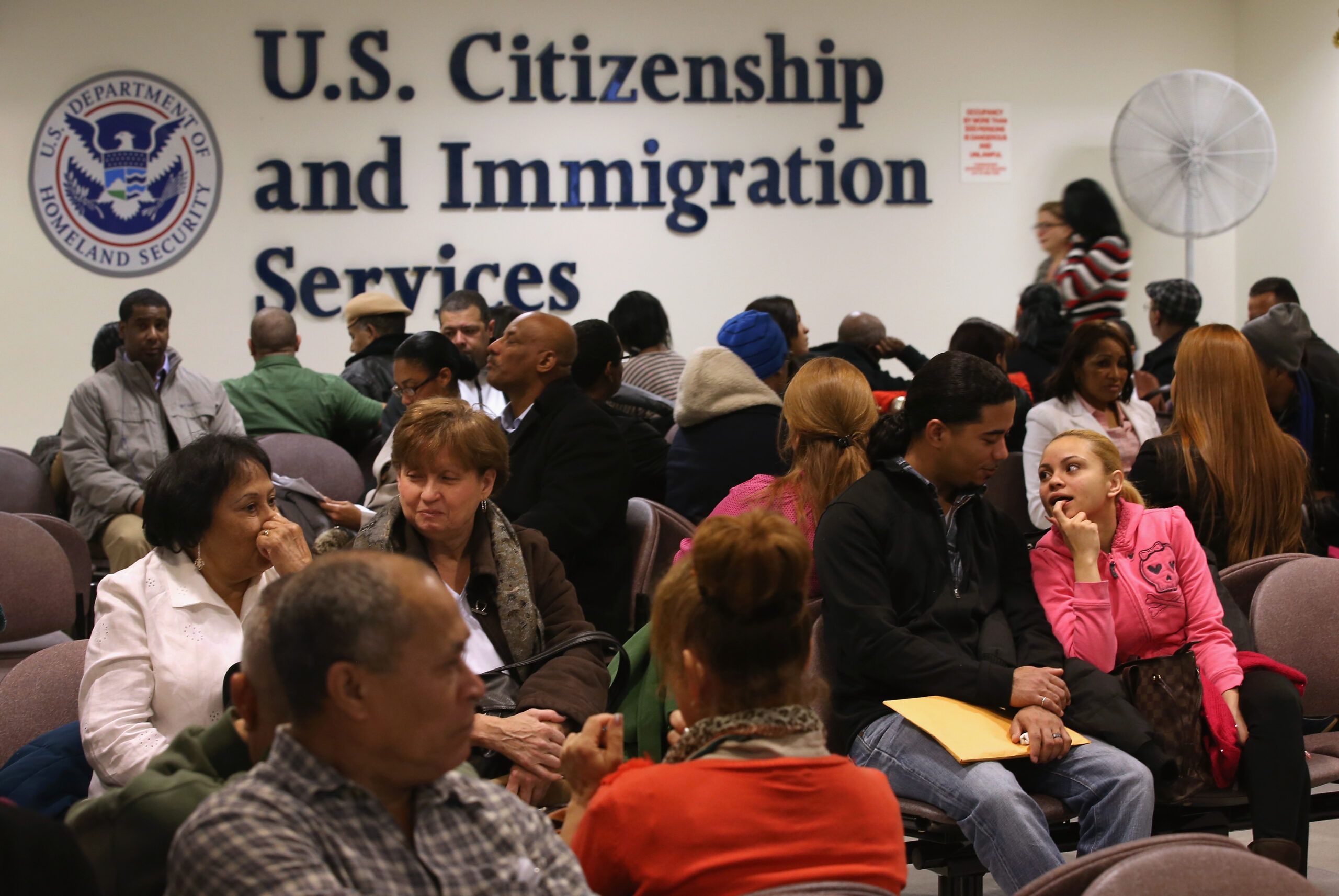
The United States Citizenship and Immigration Services (USCIS), also known as the Immigration Office, announced on Friday (October 9th) that it will be opening an asylum office in Charlotte, North Carolina.
Starting from October 13th, foreign nationals residing in North Carolina or South Carolina who have submitted or are in the process of submitting asylum applications will be under the jurisdiction of the newly established Charlotte Asylum Office and may be scheduled for interviews at that office.
For applicants who have already applied for asylum and have a scheduled interview, it is important to carefully read the interview notice to understand crucial information about the interview location.
The actual address and mailing address of the Charlotte Asylum Office are as follows:
128 South Tryon Street, Suite 600
Charlotte, North Carolina 28202
All interviews and services require appointments. The asylum office does not accept walk-in visitors without appointments. Applicants are advised to refer to the asylum office inquiry tool for more information on the location of the asylum office.
For those in need of accessibility accommodations or housing arrangements, please visit the “Disability Accommodations for the Public” webpage. To understand the process of asylum application interviews, please visit the “Preparing for Asylum Interview” webpage. To reschedule an interview appointment, contact the USCIS Contact Center at 1-800-375-5283.
As of October, the USCIS has approximately 13 asylum offices with primary responsibilities including:
1. Handling affirmative asylum applications.
2. Scheduling asylum interviews.
3. Reviewing applicants’ testimonies, evidence, and eligibility for asylum.
4. Approving asylum, denying applications, or transferring cases to immigration judges.
In contrast, the Immigration Court, under the jurisdiction of the Department of Justice’s Executive Office for Immigration Review, has primary responsibilities including:
1. Handling defensive asylum applications.
2. Hearing from applicants and government attorneys.
3. Determining whether to approve asylum or grant other forms of protection against removal.