
During the long Labor Day weekend in the United States, a large number of Americans are set to travel by air, while foreigners are also traveling to the U.S. The Transportation Security Administration (TSA) has issued a reminder to airplane passengers about a little-known regulation that carrying a large jar of peanut butter – one of Americans’ favorite foods – may result in being intercepted during airport security screening.
Since the 9/11 terrorist attacks in 2001, the U.S. government has prohibited airplane passengers from carrying liquids exceeding a certain quantity onboard. However, peanut butter is also considered a liquid, a fact that many passengers are unaware of.
On September 2nd, the TSA posted on their official platform to remind passengers that peanut butter must also comply with the liquid regulations. The TSA stated that peanut butter is treated as a liquid during airport security screening.
“Peanut butter is considered a liquid… we’ve mentioned it before… this time we have evidence,” the agency wrote.
The TSA attached a screenshot from Google AI that explained why peanut butter can be classified as a liquid. The text on the screenshot indicated that the shape of peanut butter changes with the container and it is easily spread and spilled like a liquid.
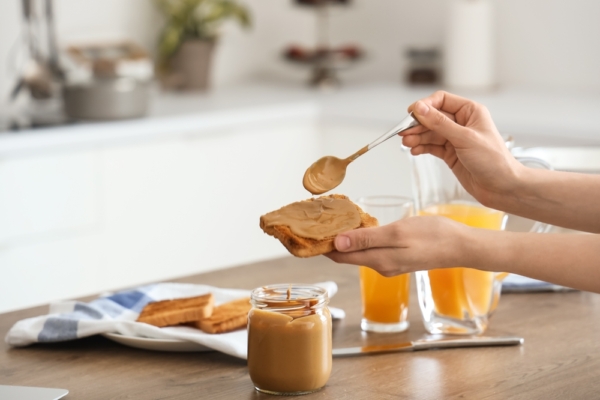
However, the post also mentioned that peanut butter spread inside a breakfast sandwich is not subject to the liquid rules. Pre-made peanut butter sandwiches can be brought onboard the plane.
Regarding the regulations for carrying liquids onboard, TSA’s official website states that liquids, gels, and aerosols in carry-on luggage must be in containers of 3.4 ounces or less and placed in a quart-sized bag.
Larger quantities of liquids must be packed in checked luggage.
Gary Leff, a travel industry expert from Texas and author of the blog “View From the Wing,” explained to Fox News that the consistency of peanut butter falls under the liquid rules, thus prohibiting its carry-on.
“You can’t bring peanut butter onboard because the Transportation Security Administration considers it a liquid – after all, it changes shape depending on the container and does not maintain its shape on its own,” Leff said. His explanation aligns with the information provided by AI.
However, Leff added, “You can get through security and carry more items onboard than you might imagine.”
He suggested that travelers consider eating something before heading to the airport or try packing permissible food items for security, especially considering the expensive dining options and potentially limited choices at airports.
“No matter where you go, airport meals are not better at the same price level,” Leff said.
TSA’s online post sparked debate among passengers, with some questioning whether the beloved spread should indeed be classified as a liquid.
A Reddit user jokingly said, “So, should I invite TSA to drink a bottle of peanut butter?”
Another commenter suggested, “So, make a sandwich first.”
Recently, TSA issued another tip for frequent travelers. In July, TSA recommended that passengers bring hammocks if they are planning a long stay at the airport. TSA stated on social media, “No one said you can’t bring a hammock to the airport.”
The agency also advised travelers to check with individual airports before setting up a hammock, as the regulations regarding hammock usage locations vary between airports.
This recommendation led to mixed reactions among travelers online. Some believed that hammocks would cause disturbances in crowded airport terminals, while others welcomed the idea as a comfortable way to pass the time during long waits.